What To Know Before Installing Bulk Milk Tanks

A new tank can improve daily milk handling, but it also affects the overall flow and function of your milk room. A tank that looks right on paper may still create headaches if the room feels cramped, the pickup route is awkward, or the refrigeration setup falls short. Learning what to know before installing bulk milk tanks can make the entire setup easier to manage from the start. When you consider the room, utilities, and access points, the tank is more likely to fit your routine rather than disrupt it.
Start With Daily Volume
Tank size should match the amount of milk you produce between pickups, not just your herd count. Milk output shifts with breed, stage of lactation, feed, weather, and milking frequency. Therefore, many farms estimate their output by reviewing recent records and then adding a little room for growth.
Look Beyond Today
A tank that fits your current setup perfectly may feel tight sooner than expected if you add animals or change pickup frequency. While you can replace an undersized tank at a later time, that brings additional cost and disruption. A little future planning now keeps your options open.
Think About Pickup Timing
Milk haulers do not always arrive at the exact same time for every pickup, so your storage window needs enough flexibility to handle delays and schedule changes. That buffer becomes more important during holidays, weather delays, or route changes.
Answer these questions before choosing bulk milk tanks:
- How many milkings will the tank hold between pickups?
- How much milk do you produce on high-output days?
- How much cushion do you want for delayed collection?
- How quickly does milk need to cool after entering the tank?
- How will future herd changes affect storage needs?
Have Ample Clearance
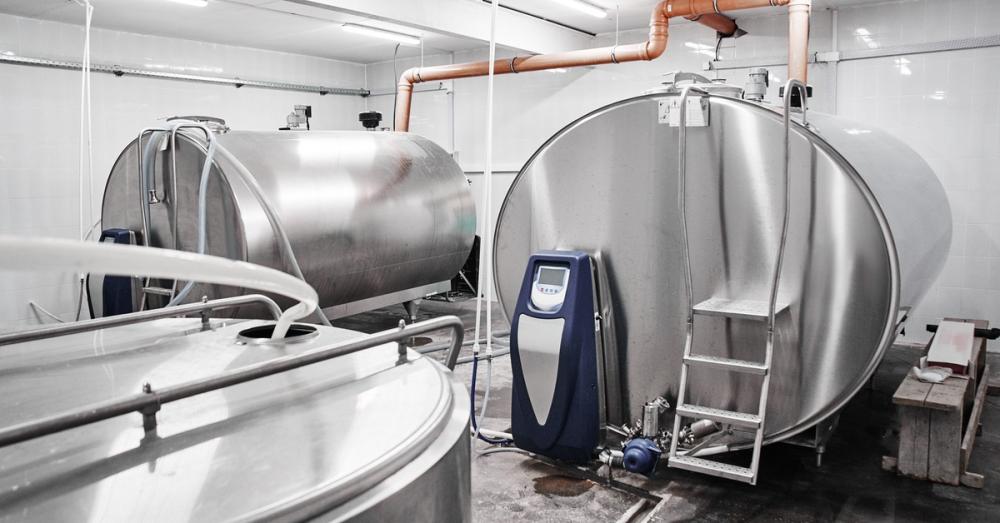
The bulk milk tank needs plenty of room around it so people can wash it well, inspect fittings, reach controls, and service the refrigeration components. When a tank barely fits, routine jobs get harder, and the room becomes less practical to work in.
Clearance rules are not identical everywhere, so check your state dairy regulations, local code requirements, and the installation guidance from your tank supplier or installer. In general, you can expect to need 24 inches of clearance around the sides and rear of the tank, and 36 inches at the outlet valve side.
Tank Placement and Orientation
The tank’s outlet valve should face a direction that gives the hauler easy access, while controls and wash components should be easy for your crew to reach. You will also want enough lid-opening space so routine inspection and cleaning do not feel cramped. Avoid placing the tank where the outlet faces a wall, a tight corner, or a walkway that already gets heavy traffic.
Consider the Daily Workflow
A bulk milk tank should fit the room's workflow, not force everyone to work around it. The placement of transfer lines, doors, wash supplies, and other key access points shapes how smoothly the space functions during busy parts of the day. When those details are planned well, the room feels more efficient and less cramped.
The pickup route should also feel simple and direct. A clear path to the tank connection helps the hauler do the job without disrupting the rest of the work in the milk room. Good access saves time, reduces unnecessary movement, and makes the room easier to manage in both good and bad weather.
Check the Floor Strength
Before you install a bulk milk tank, you should know if the floor is strong enough to hold it. A bulk milk tank places a lot of weight in one area. Milk weighs about 8.6 pounds per gallon, which means a 112-gallon tank holds roughly 963 pounds of milk before you even add the weight of the tank itself, its frame, and related equipment. That is why the slab should be level, solid, and free of major cracking or settling.
If you have any doubts about the floor, ask a qualified installer or local contractor to look at it before delivery day. They can help you confirm that the concrete, drainage, and overall layout can handle the load and support safe day-to-day use. State and industry guidance also stresses sound floors and proper drainage in milk rooms, so an early inspection gives you time to fix weak spots instead of dealing with costly adjustments after the tank arrives.

Ventilation and Room Conditions
Ventilation plays a key role in how well your bulk milk tank performs day-to-day. Cooling systems rely on the ability to release heat, and a warm, stagnant room makes that job harder. Better airflow helps the system run more efficiently and maintain steady temperatures.
Room conditions also affect how the space holds up over time. Excess moisture, heat buildup, and poor air movement can make the room less comfortable to work in and harder to keep clean. A dry, well-ventilated space supports more consistent performance and smoother workflows.
Plan Utility Connections
A bulk milk tank needs the right utility setup as much as it needs the right physical space. Power, water, refrigeration, and drainage should all match the tank’s requirements before installation day so the system works properly from the start.
Electrical Service
The tank needs dependable electrical service to run cooling components, controls, and agitation systems. Power requirements vary by model, so the voltage, breaker size, and wiring should match the manufacturer’s specifications.
Water Supply
Water supports wash cycles and day-to-day cleaning, so access to it should be convenient and reliable. The setup should allow your crew to clean the tank thoroughly without dragging long hoses across the room or working around awkward connections.
Drainage
Drainage matters because wash water and rinse water need a clear path out of the room. Poor drainage can leave standing water around the tank, which makes the area messier, more dangerous, and harder to maintain.
A bulk tank installation works best when you treat it as a full-room decision instead of a single equipment purchase. Capacity, clearance, flooring, utilities, and workflow all play a part in how well the setup works day after day. Take the time to plan those details before delivery, and the whole system will feel easier to manage. A smart setup will save time, effort, and expense down the road.