

Posted by Scott Ford on May 18th 2026
Key Maintenance Tasks To Ensure Smooth Dairy Operations

Small maintenance issues can make milking more complicated. A worn inflation, an unstable vacuum level, or a sloppy wash cycle affects milk quality, cow comfort, and daily workflow. Compared to last-minute fixes, regular maintenance is better for ensuring smooth dairy operations. Here are some basic guidelines for reliable processes.
Check Equipment Daily
A quick walk-through at the start of the day catches problems before milking begins. You’ll also have an easier time noticing unusual sights or sounds the better you know your equipment.
Do the following tasks every day:
- Inspect rubber parts for cracks, wear, or stiffness.
- Listen for hissing that may point to air leaks.
- Check claws and units for residue after cleaning.
- Confirm pumps and pulsators sound steady.
- Look for loose clamps, fittings, and connections.
Watch Vacuum Performance
Vacuum provides the pull that moves milk through the system and enables each unit to operate as intended. When the level stays even, milking tends to be steadier, smoother, and easier to manage throughout the routine. Because of that, checking vacuum performance is a key maintenance task for dairy operations.
Trouble with the vacuum can show up in a few different ways during milking. Units may slip off more than usual, or the system may sound different from usual. A hissing noise can point to an air leak somewhere in the setup.
Pulsators and Regulators
Pulsators and regulators help manage the vacuum that makes the milking system work. The regulator helps keep the vacuum level steady, while the pulsator changes the vacuum’s rhythm, allowing the teat to milk and rest in cycles. When either part stops working properly, the whole unit may feel uneven or less consistent during milking. Problems may show up through irregular pulsator sounds, unstable vacuum levels, slipping units, or milking that suddenly seems slower or less smooth than usual.
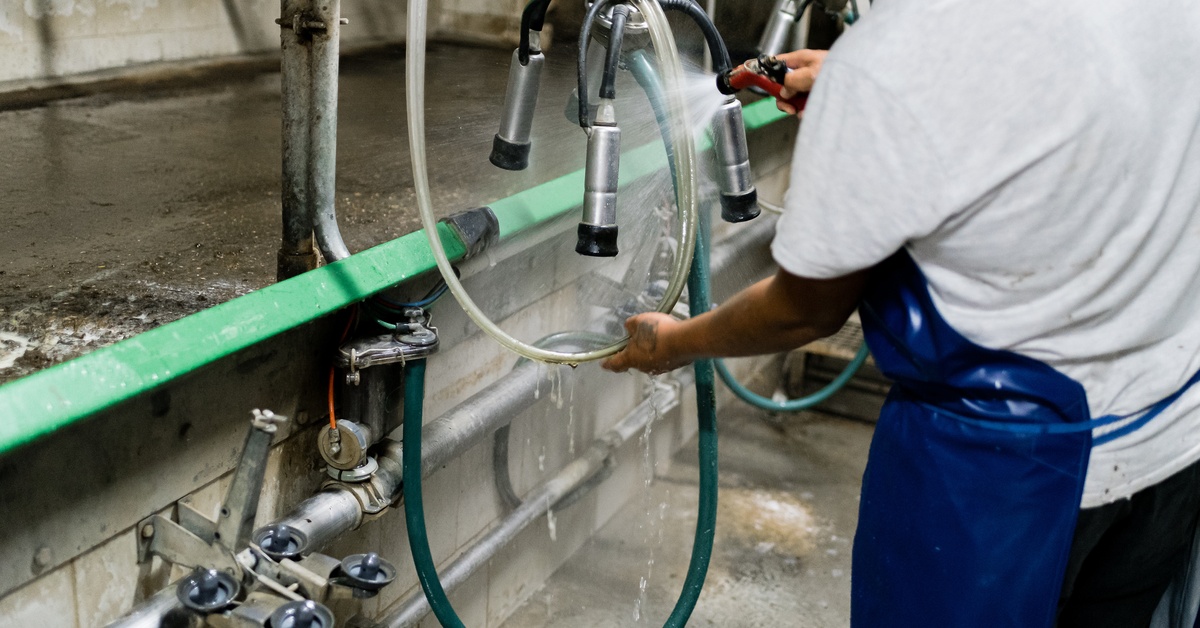
Keep Wash Cycles Consistent
Poor wash cycles leave behind milk residue, mineral film, and bacteria that can affect milk quality and make equipment harder to clean over time. They can also shorten the life of key parts. A strong wash routine comes down to water temperature, chemical use, cycle timing, flow action, and regular inspection.
Watch Water Temperature
Water temperature affects how well each wash stage works. If the water is too cool, milk fat and residue may stay on the parts. Check temperatures regularly and ensure the system starts hot enough and maintains an effective range throughout the cycle.
Use the Right Chemicals
Cleaning chemicals need to match the job and the system being cleaned. Detergents remove organic material, while acid products control mineral deposits that build up over time. Follow product directions carefully to keep the wash cycle effective without causing extra wear on the equipment.
Follow Cycle Timing
Each stage of the wash cycle needs enough time to do its part. A rushed rinse or a shortened wash step may leave residue behind, even if the rest of the process looks fine. Keep the sequence consistent so the system gets the same complete cleaning after every milking.
Maintain Strong Flow
A good wash cycle needs proper movement through the lines, units, and other product-contact areas. Water must move with enough force to lift soil away rather than just pass over it. Check for anything that reduces flow, such as partial blockages, worn parts, or air leaks that interfere with circulation.
Replace Rubber On Time
Rubber parts fail because they are subject to constant pressure changes, repeated washing, chemical exposure, heat, and everyday wear. Even when the rubber still looks usable, it can lose the flexibility that helps it fit and move the way it should. Small cracks may start to form over time. Rubber can also stop sealing properly, making it harder for the system to maintain a proper vacuum or stay leak-free.
Review these dairy components with rubber parts, since each plays a different role in how the system runs:
- Inflations have rubber that grips the teat and moves milk through the unit.
- Milk tubing includes rubber sections that carry milk from the unit to other parts of the system.
- Vacuum hoses use rubber to maintain suction.
- Pulsator tubing contains rubber that transfers vacuum changes that create the milking rhythm.
- O-rings are rubber components that seal smaller connection points and help prevent leaks.
- Receiver jar seals use rubber to keep the receiver closed tightly so that the system holds proper vacuum.
- Tank lid gaskets are rubber seals that protect stored milk by closing the tank correctly.
It is a smart idea to keep key milking equipment for cows in stock. Waiting too long to replace worn rubber can affect vacuum stability. It can also leave cracks, weak seals, or worn surfaces that make cleaning harder and raise the chance of leaks or residue buildup.
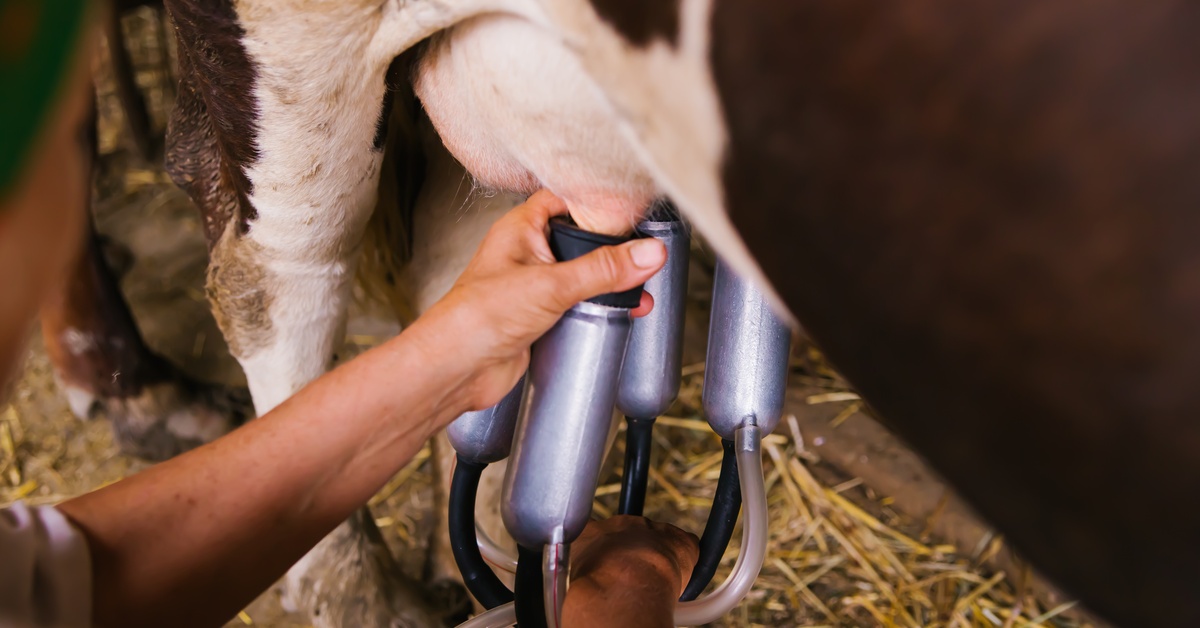
Maintain Cow Contact Points
Equipment that touches the cow requires special care because cleanliness and condition affect both milk yield and udder health. Replace liners on schedule, promptly remove damaged teat-end parts, and keep the milking area dry and orderly.
These habits help reduce unnecessary wear on the parts that most directly touch the cow. It also helps to review prep routines with every team member so that the equipment is handled consistently each time.
Protect Bulk Tank Cooling
The job isn’t finished when milk leaves the unit. Bulk tanks, agitators, seals, and temperature controls all need regular review to ensure milk chills properly and remains in good condition until pickup.
A simple cooling checklist keeps crews on the same page during busy weeks. Check that the tank lid closes fully and that the seals still fit the way they should. Monitor the temperature reading to ensure the milk is cooling as expected after each milking.
Smooth dairy work rarely comes from one big repair; it grows out of steady attention to the details every day. Clean equipment, stable vacuum, sound rubber parts, trained milkers, and dependable cooling all support a smooth and healthy routine. Parts Department has the dairy parts and equipment you need to keep your routine moving without delay. Reach out to find the right replacement parts for your setup and get helpful support from a team that knows the industry.