The Importance of Filtration in Milk Processing

Milk takes a long journey before it becomes a finished dairy product. Tiny bits of bedding, hair, feed dust, and other physical debris can contaminate the milk stream and interfere with a cleaner processing path. Filtration is important in milk processing because it removes sediment before that material travels deeper into the system. That keeps the product stream cleaner while supporting the quality standards dairy operations work hard to maintain.
Cleaner Milk Starts Early
Milk quality does not begin at the plant door. It starts in the parlor or milking area, where careful prep, clean equipment, and a good filter work together to keep unwanted material out of the milk line.
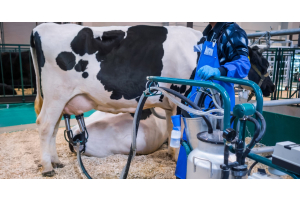
As milk moves through the milking line, it flows through the filter that screens out unwanted debris. The filter catches larger particles and holds them back while clean milk continues through. This step helps prevent sediment from reaching tanks and equipment.
Protecting Product Quality
Product quality in milk depends on several factors working together throughout handling and processing. Modern dairy systems use filtration, sanitation, cooling, and pasteurization together to reduce the risks of contaminated milk. Filtration alone removes physical debris, but it works alongside these other steps to support safe milk.
A cleaner product slows bacterial growth, especially between milking and cooling. Fewer contaminants mean fewer surfaces and nutrients for bacteria to cling to and multiply on. As part of a comprehensive system, straining keeps milk fresher for longer.
Components of Professional Milk Filters
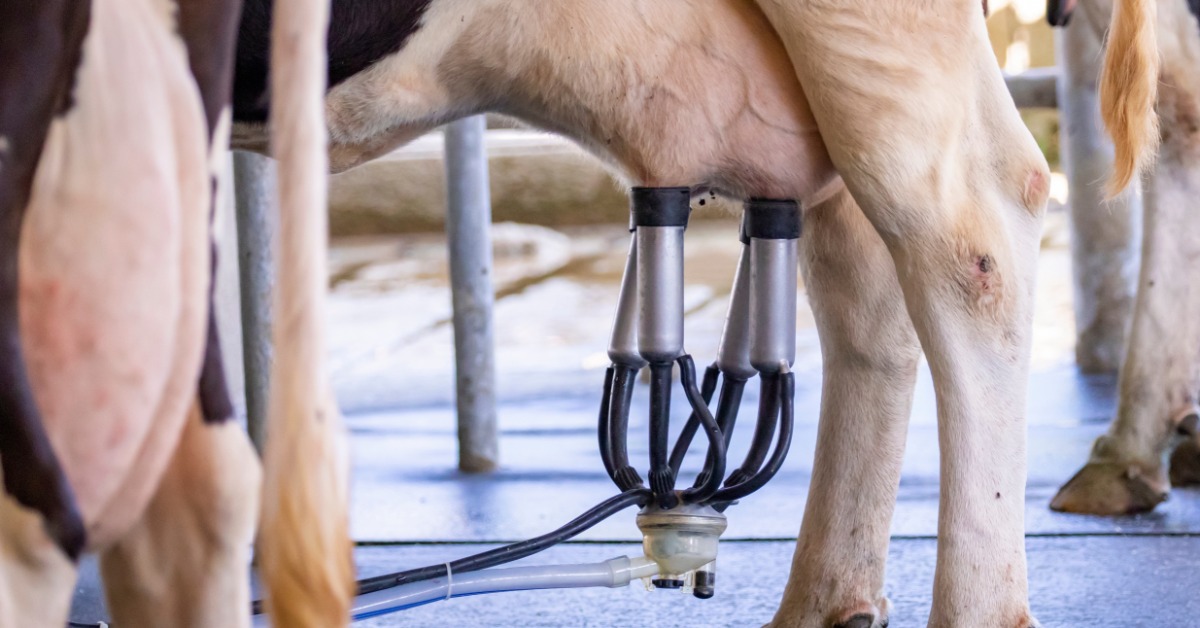
Professional milk filters include several working parts that remove debris while maintaining steady milk flow through the system. Each component has its own job, from catching sediment to holding the filter securely in place during milking. Looking at those individual parts more closely makes it easier to understand how a filtration setup works day-to-day.
Filter Media
The filter media does the main filtration work inside the unit. This material catches hair, bedding, feed dust, and other physical debris as milk passes through. Some filters use layered material to improve debris capture while still allowing steady flow. Changing the filter media regularly helps the system continue to work as expected.
Strainer Body
The strainer body holds the filter in place and provides a directed path for milk through the filtration point. It needs to fit the setup properly, so milk moves through without leaks or awkward handling. Many strainers are made of durable materials that withstand repeated daily use. A well-made body also makes cleaning and filter changes easier.
Screens and Support Parts
Some professional setups include screens or support pieces that protect the filter and keep it positioned correctly. These parts can help manage flow and add stability during milking. When they stay clean and in good condition, the full filtration setup works more smoothly. Worn or damaged support parts can make the whole unit less effective.
Seals and Fittings
Seals, gaskets, and fittings help keep the filter assembly tight and secure during use. These smaller components prevent leaks and keep milk moving through the intended path. A poor seal can create messes or interfere with smooth handling. Checking these parts regularly helps the filtration system stay dependable.
Filters For Different Setups
Milk filtration is not one-size-fits-all, since different milking systems call for different filter styles and sizes. Whether it’s a small bucket milker or a larger transfer point, the setup affects how milk flows and where filtration fits into the process. Choosing the right milking strainer and other filtering equipment keeps milk moving smoothly while still catching unwanted debris.
Bucket Milker Filters
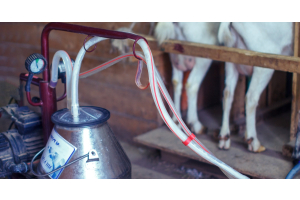
Bucket milkers typically use filter socks or discs placed directly in the lid or strainer before milk enters the bucket. These filters handle milk at the point of collection, so they focus on catching visible debris right away. Since bucket systems are common in smaller operations, filters need to be easy to change and quick to clean between milkings.
Dumping Station Filters
Dumping stations use filters at the point where milk transfers from portable containers into a larger system or bulk tank. These filters act as a second checkpoint, catching any remaining debris before milk moves into storage. Because of higher volumes at this stage, filters need to support steady flow without slowing down transfer.
Smart Filtration Habits
Good filtration depends on habits as much as hardware. A strong routine keeps filtration simple, repeatable, and easy to monitor during busy milkings.
These steps support cleaner milk and reliable filtration:
- Change filter media on schedule.
- Inspect strainers for damage or poor fit.
- Keep milking equipment clean between uses.
- Watch for unusual debris on used filters.
- Trace repeat problems back to the source.
Filter Types
Dairy filtration uses several types of milk filters, each suited to a different setup and flow pattern. These filters are usually made from food-grade materials and built for dependable performance, with features like strong seams, uniform pore sizing, and good wet strength. Common options include sock filters, sleeve filters, filter disks, and permanent filters made with stainless steel screens or mesh.
Filter Disks
Filter disks are more common in hand-milking and bucket milking setups. These filters may come in either round or rectangular shapes, depending on the equipment being used. Compared with other filter styles, they do not offer as much filtration capacity.
Sock and Sleeve Filters
Sock and sleeve filters are made from folded milk filter fabric. A sock filter is closed at one end, while a sleeve filter stays open on both ends.
Permanent Filters: Stainless Steel or Plastic
Some dairy systems use permanent filters made with stainless steel or plastic screens instead of disposable filter fabric. These are typically installed in pipeline systems and operate in a similar position in the milk flow path to disposable filters. They require thorough and frequent cleaning to remove trapped debris.
Every step in milk handling builds on the one before it, and filtration sets a healthy foundation. Filtration is important because it supports a cleaner flow, better handling, and fewer interruptions in milk processing. Parts Department carries the essential filtration supplies dairy operations rely on, from strainers and filter parts to components that fit a range of setups. Restocking the right supplies on time keeps your routine moving smoothly and your filtration system working as it should.