

Posted by Scott Ford on Jun 1st 2026
Seasonal Considerations for Dairy Farm Equipment Use

A milking system that runs smoothly in mild weather may need extra attention when temperatures swing, humidity rises, or mud shows up in walkways. Seasonal changes bring new considerations for using dairy farm equipment. Each shift can affect how parts wear and how well cleaning routines work. However, with regular maintenance, farms can keep daily chores running smoothly year-round.
Spring Brings Moisture
Spring usually brings mud, damp bedding, and wide temperature swings. Those conditions make it a good time to inspect connections and parts for moisture-related wear.
Here are spring equipment checks that keep work on track:
- Inspect hoses for cracks, soft spots, and loose fittings.
- Check rubber inflations and gaskets for wear after winter.
- Clean mud and debris near pumps, drains, and wash areas.
- Confirm that the wash water reaches proper cleaning temperatures.
- Review spare parts, so replacements sit ready when needed.
Summer Heat Checks
Hot weather puts extra pressure on cooling, cleaning, and milk handling routines. Warm conditions can make milk residue dry faster and stick more firmly to equipment surfaces. Heat can also accelerate wear on rubber parts.
Bulk Tanks
Check that the bulk tank cools milk within the timeframe recommended for your setup. Listen for unusual sounds, and watch for changes in cooling speed during especially hot stretches. Keep the area around the tank clean for good airflow and service access. If cooling performance changes suddenly, call a qualified service technician.
Liners and Inflations
Look closely at liners and inflations for cracks, stiffness, swelling, or rough surfaces. Heat and cleaning chemicals can affect how these parts feel and perform. Follow the manufacturer’s replacement schedule instead of waiting for a visible failure. Additionally, keep a few correct replacements on hand so one worn part does not slow down milking.
Tubing and Hoses
Inspect tubing and hoses for cloudy areas, soft spots, kinks, or loose connections. Warm weather can make buildup harder to manage. Rinse and wash according to product directions, then let removable pieces dry in a clean area. Replace tubing when it no longer looks clean, feels smooth, or fits securely.
Wash Areas
Review the wash area during the summer, as heat can make sanitation problems appear more quickly. Check that water reaches the right temperature for the cleaning products and equipment you use. Also, confirm that brushes, sinks, vats, and drying areas stay clean between milkings.
Fall Prep Pays Off
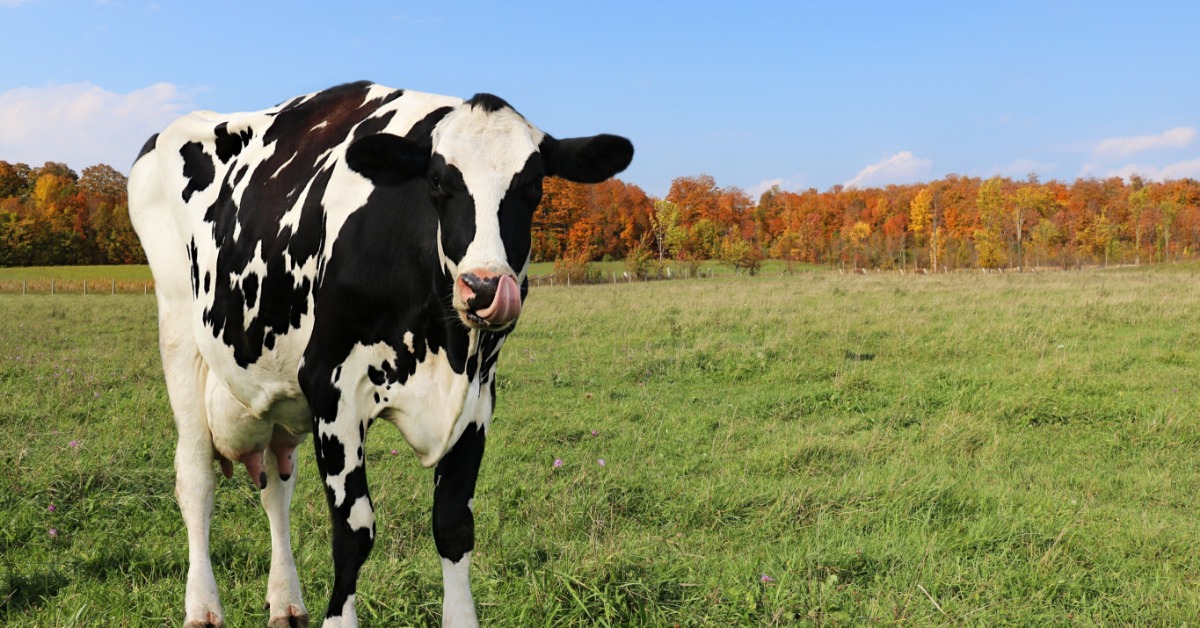
Fall is a good time to reset before cold weather puts new strain on your dairy farm equipment. Use this season to review summer wear, replace tired parts, and clean up wash areas before freezing temperatures arrive.
Review Summer Wear
Start by looking at the parts that worked hardest during hot weather. Check inflations, gaskets, tubing, hoses, and small hardware for cracks, stiffness, loose fits, or buildup. Replace anything questionable now so winter chores do not start with worn equipment.
Restock Key Parts
A good parts shelf does not need to be huge. Instead, it should hold the items most likely to interrupt milking if they fail. Keep inflations, gaskets, milk tubing, vacuum hoses, and small clamps and fittings on hand.
Match the Farm’s Schedule
Fall maintenance should match the farm’s real workload, not just the calendar. Calving schedules, herd size changes, and pasture shifts may affect how much you use equipment. If the farm will be busier in winter, remember to restock and replace parts before that begins.
Winter Milking Challenges
Winter brings its own set of concerns to the milking routine. Frozen lines, stiff rubber parts, slick floors, and slower washdown routines can all make everyday chores take longer. Protect water lines before freezing weather arrives. You should also check that drains move freely during winter washdowns.
Cold temperatures may also affect vacuum performance when moisture freezes in the wrong place. During winter checks, look closely at hoses, pulsators, claws, and vacuum lines for anything that seems blocked, cracked, loose, or unusually stiff.
Store Winter Equipment Safely
Store equipment and spare parts in a clean, dry place during winter. Keep rubber parts away from freezing drafts when possible because cold can make them stiff. Cover or organize items so dust, moisture, and barn debris do not collect on clean surfaces. Before using anything stored in an unheated area, check it for cracks or loose connections.
Rubber Parts Need Watching
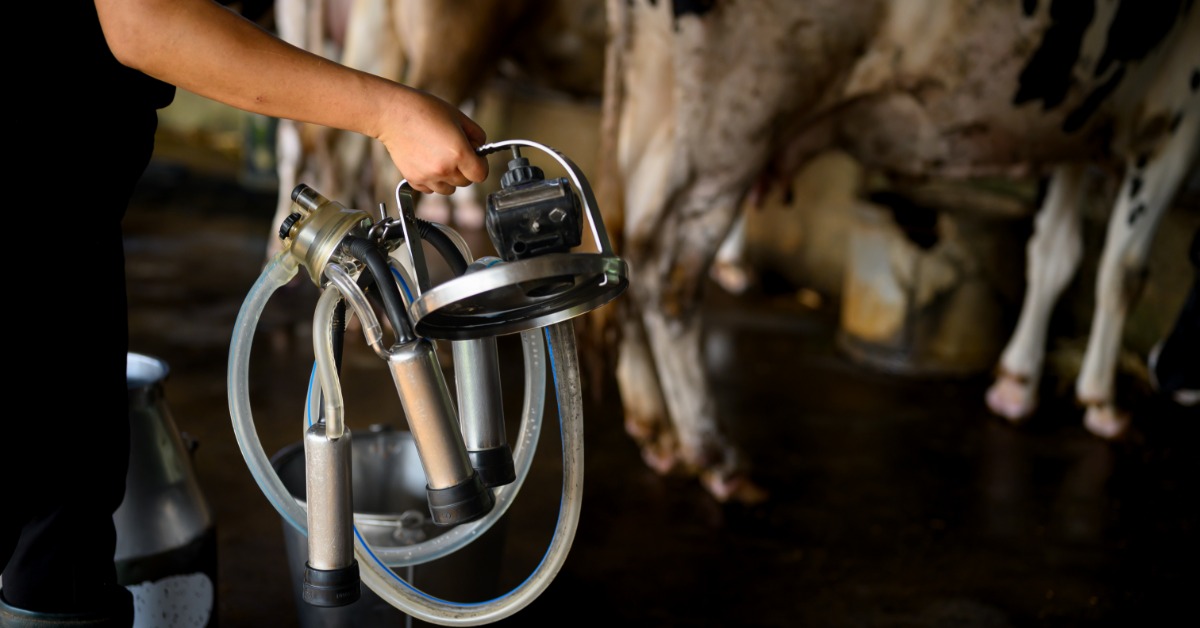
Rubber is especially susceptible to wear because it flexes, seals, stretches, and is subject to regular contact with moisture, milk, and cleaning products. Temperature swings and daily use can change how rubber feels and performs, so these parts deserve regular attention before they fail.
Check Inflations First
Inflations work hard during every milking, so they should be checked on a regular schedule. Look for cracks, stiffness, swelling, or a surface that no longer feels smooth. Follow the manufacturer’s replacement guidance, even if the part still looks usable at a quick glance.
Look at Gaskets
Gaskets create tight seals in milk-contact areas and other equipment connections. Check them for flattening, stretching, cracking, or spots that no longer sit evenly. A worn gasket may seem small, but it can affect the fit and make cleaning harder. Keep the right replacement sizes on hand so a bad gasket does not slow down the routine.
Inspect Tubing and Hoses
Tubing and hoses move milk, water, air, or cleaning solution through the system. If tubing feels rough inside or no longer fits securely, replace it with the correct part for the equipment. Look for cloudy areas, kinks, soft spots, buildup, or loose ends. If these problems persist, they may prevent steady milk flow. They may also create spots where residue collects, which makes sanitation more difficult.
Review Seals and Fittings
Seals and fittings can wear over time because they may sit out of sight during daily chores. During routine checks, look around connection points for any looseness, residue, drips, or brittle parts. Clean these areas carefully so buildup does not hide wear.
Habits Keep Farms Ready
Seasonal care is easier when it becomes part of the normal routine instead of a last-minute scramble. A simple system for inspections, parts, and records helps everyone know what to check.
To make seasonal care hassle-free, you should:
- Use a short checklist for tubing, gaskets, inflations, wash areas, and spare parts.
- Label shelves or bins so replacement parts are easy to find during milking.
- Keep common wear parts on hand before harsh weather arrives.
- Write down repeat issues, such as the same hose failing each winter.
- Review notes before the next season so maintenance feels more planned.
Changing seasons will always bring a little unpredictability to farm operations, but dairy equipment care does not have to feel like guesswork. Prioritize checking the parts that handle daily milking first. Then replace anything cracked, stiff, loose, or hard to clean. No matter the time of year, shop with Parts Department for the dairy equipment you need.