
Posted by Scott Ford on Jul 7th 2026
How Have Cattle Milking Buckets Changed Over Time?
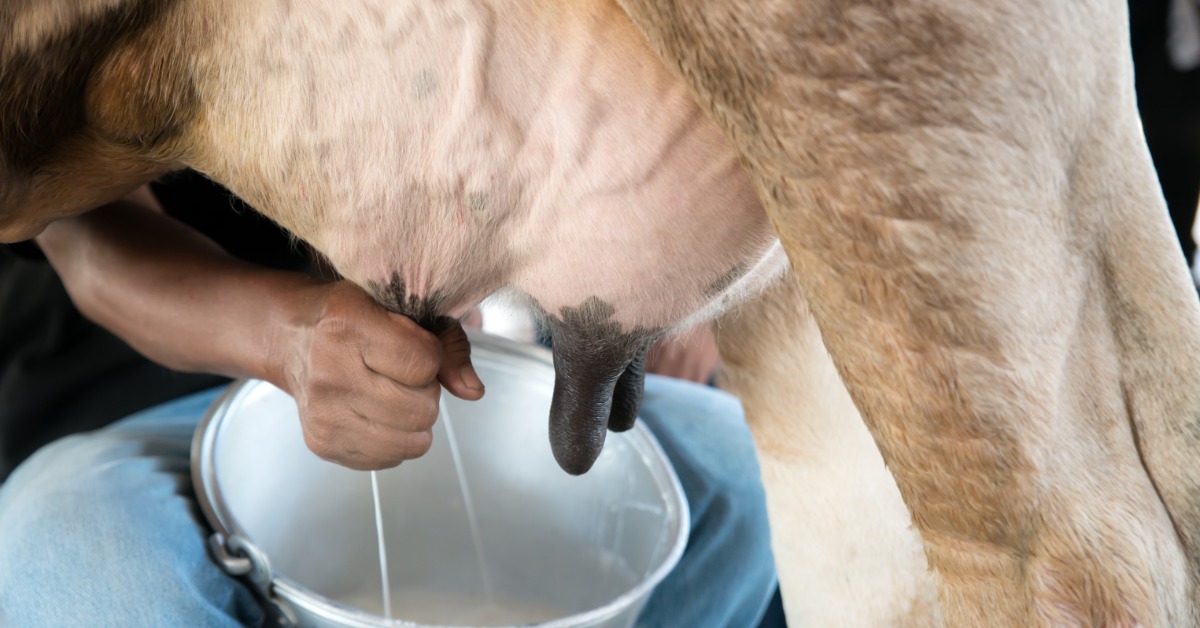
Milking a cow used to be a test of patience, hand strength, and timing. One bump could tip the pail and waste the milk. One swish of a dirty tail could send hair or dirt into the bucket. Improved materials have changed cattle milking buckets over time, giving farms stronger, easier-to-clean containers. While the bucket is a basic piece of equipment, its story follows the wider shift toward safer milk handling and streamlined workflows.
Early Buckets Were Simple
Early cattle milking buckets looked much closer to household pails than the equipment producers use today. Farmers needed something easy to carry and sturdy enough to hold fresh milk. Many early buckets had wide openings, which made hand milking easier but also left the milk exposed. Because of that, cleanliness depended heavily on the person doing the milking and the conditions around the cow.
Those early pails fit the pace of small farms, where a few cows supplied a household or local buyers. Additionally, most farms handled milk in small batches, so the bucket served as both a collection point and a transport container. As herds grew, these pails started to show their limits. Producers needed equipment that could keep up with more animals, longer milking sessions, and stricter quality expectations.
From Tin to Stainless Steel
Many early milk pails were made of tin-plated iron, commonly called tin, though older or regional versions could also be made of wood, copper, or iron. Older pails could dent, rust, or develop seams that trapped residue.
Over time, producers moved toward smoother, tougher surfaces that held up better under washing and repeated handling. Stainless steel became a common choice because it resists corrosion and cleans more easily than many older materials.
These upgrades simplified everyday chores. A smoother bucket surface gave milk fewer places to cling to after each use, which helped crews wash equipment more thoroughly. Stronger handles, better lids, and more consistent bucket shapes also improved comfort during carrying and pouring.
Machine Milking Changed Buckets
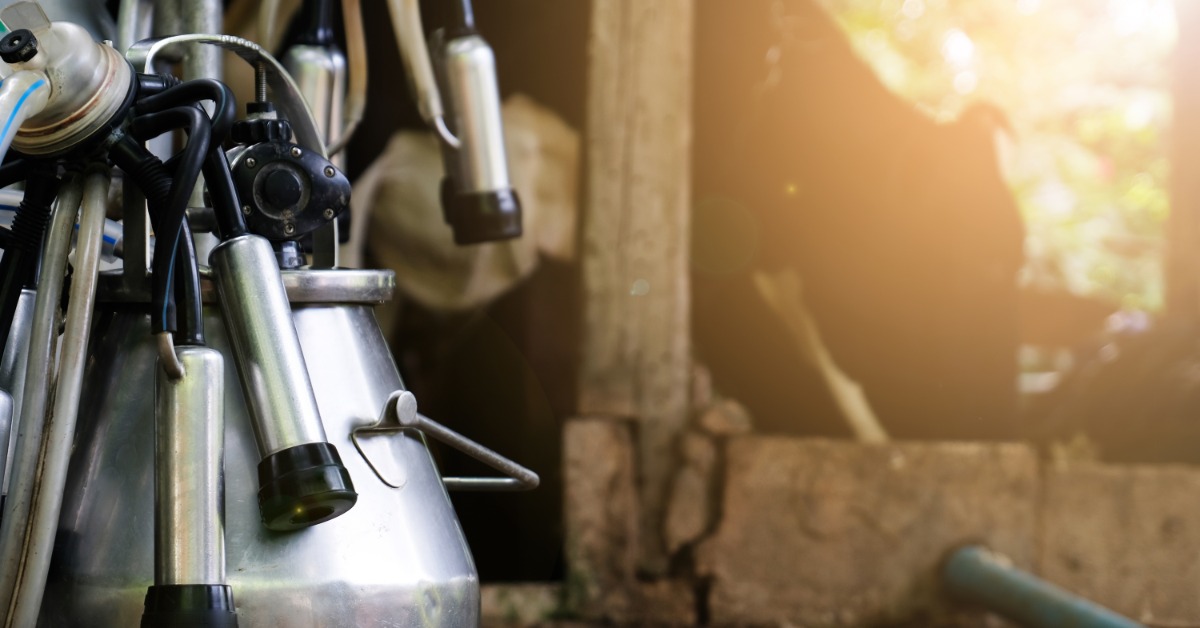
The move to mechanical equipment had one of the biggest effects on the evolution of the cattle milking bucket. Milking machines shifted the bucket from a simple open pail to a component of a working system. This design changed how milk traveled. Instead of receiving milk directly from the udder by hand, buckets became connected to inflations, claws, tubing, pulsators, and a vacuum.
As buckets became part of the machine setup, their design changed in several practical ways:
- Lids became tighter to hold a vacuum.
- Bucket tops added ports for tubing and other fittings.
- Open pails shifted toward closed containers that protected milk during collection.
- Bucket shapes became easier to pair with claws, pulsators, and vacuum lines.
Lids Became More Functional
Some earlier milk pails did have lids, especially for carrying or storing milk after collection. Once buckets were joined to machine milking systems, the lid became an active working part because it had to seal tightly, maintain a vacuum, and connect to tubing or fittings. In other words, the lid changed from a simple cover into a functional component of the milking system.
Lids have always helped protect milk after collection. A covered bucket reduces exposure compared with an open pail in a busy barn. New lid designs made it easier to move milk from the cow area to the next step without unnecessary splashing.
How Gaskets Seal the Lid
A gasket sits between the bucket rim and the lid, filling the small gap where they meet. When the lid is tightened or pressed into place, the gasket compresses, creating a snug seal around the opening. That seal helps stop air from leaking into the bucket, which supports the vacuum needed for machine milking.
Over time, rubber parts can stretch, crack, or wear down. When this happens, the lid may not seal evenly, and the system may lose suction. Checking gaskets regularly and replacing worn pieces keeps the bucket working smoothly.
Bucket Capacity Kept Evolving
Capacity changed as producers handled different herd sizes and milking goals. A small bucket may suit one cow or a compact setup, while a larger bucket may work better for longer sessions. However, bigger doesn’t automatically mean better for every farm.
Consider these factors to choose a bucket size for your operations:
- herd size and milking frequency
- cow output during each session
- the distance between the cow and the milk room
- the weight the operator can carry safely
- space available for washing and storage
Portability Supports Small Farms
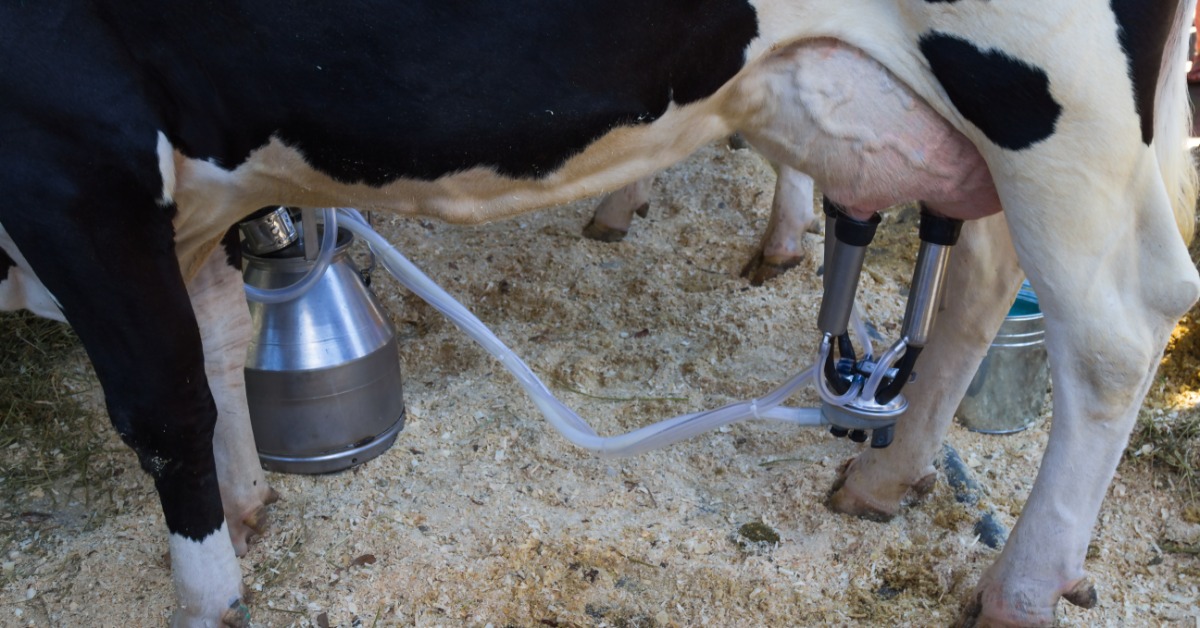
Portable bucket systems use a bucket as the main collection point at the cow, so the bucket needs to be easy to carry, connect, wash, and empty. In fixed-in-place systems, milk usually travels through built-in lines to a receiver or tank rather than remaining in a bucket beside the cow.
Portable milking buckets for cows have changed what small farms and homesteads can manage. Instead of building a permanent parlor setup right away, a producer can bring the equipment to the cow. That flexibility helps owners with a few cows keep their routines organized without adopting a larger system than they need.
What Modern Buckets Include
Modern milking buckets are no longer just containers that catch milk. They work with several connected parts that help move milk from the cow into the bucket while supporting vacuum, flow, and cleaner handling.
Modern milking buckets include these parts:
- The bucket holds the collected milk during the milking session.
- The lid covers the bucket and creates a sealed space.
- The gasket or seal fits between the lid and bucket rim to maintain the vacuum.
- The ports and fittings connect the lid to tubing, vacuum lines, or other parts.
- The claw collects milk from the inflations before it moves through the system.
- The inflations attach to the cow’s teats and help draw milk during milking.
- The milk tubing carries milk from the claw into the bucket.
- The vacuum tubing connects the system to the vacuum source so machine milking can work.
The milking bucket shows how dairy work has moved from open-hand milking pails toward cleaner, more controlled, and more flexible equipment. Each change, from better materials to replaceable parts, grew out of a practical need. Today’s dairy producers can choose bucket setups that match their milk volume and preferred setup. Whether you’re updating your system or replacing worn components, Parts Department has the supplies you need for efficient milking.