Everyday Tips for Using Portable Goat Milking Machines
Milking goats can be tricky when animals shift on the stand, milk flow changes, or small equipment issues slow down the routine. Portable milking machines can make the process steadier by helping collect milk in a cleaner, more consistent way. These everyday tips for using portable goat milking machines focus on practical steps that help homesteaders and dairy producers work with more confidence. With a familiar routine, daily milking becomes easier to manage from setup to cleanup.
Start With a Calm Setup
A smooth milking session begins before the machine turns on. Place the unit where the goat feels steady, the hoses reach comfortably, and you can move without tripping over cords or tubing. Additionally, check that the bucket sits level, so milk flows cleanly through the system.
Noise and movement can make goats restless, especially when they are still learning the routine. Give each animal a few quiet moments on the stand before attaching the inflations. Keeping the same setup each day helps goats recognize what comes next.
Give Goats Familiar Cues
Goats respond well to patterns, so use the same order of steps during each milking session. Bring the goat to the stand, secure her comfortably, and offer feed before handling the udder. Keep your voice calm and your movements steady, and she’ll be less likely to shift, kick, or resist once milking begins.
Check Equipment Before Milking
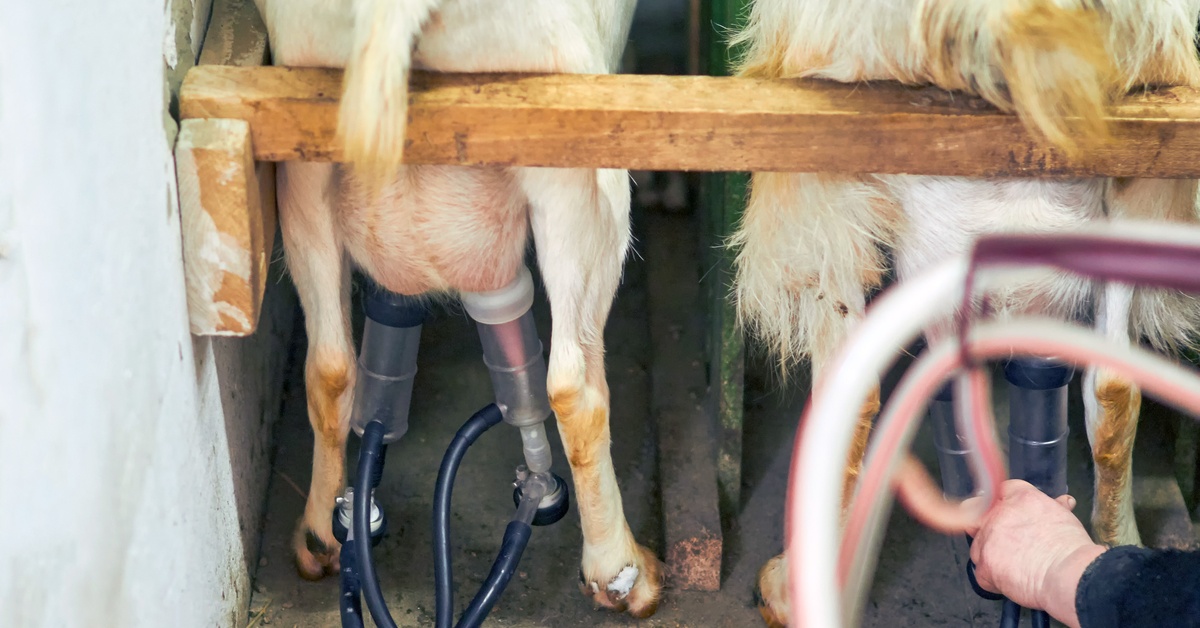
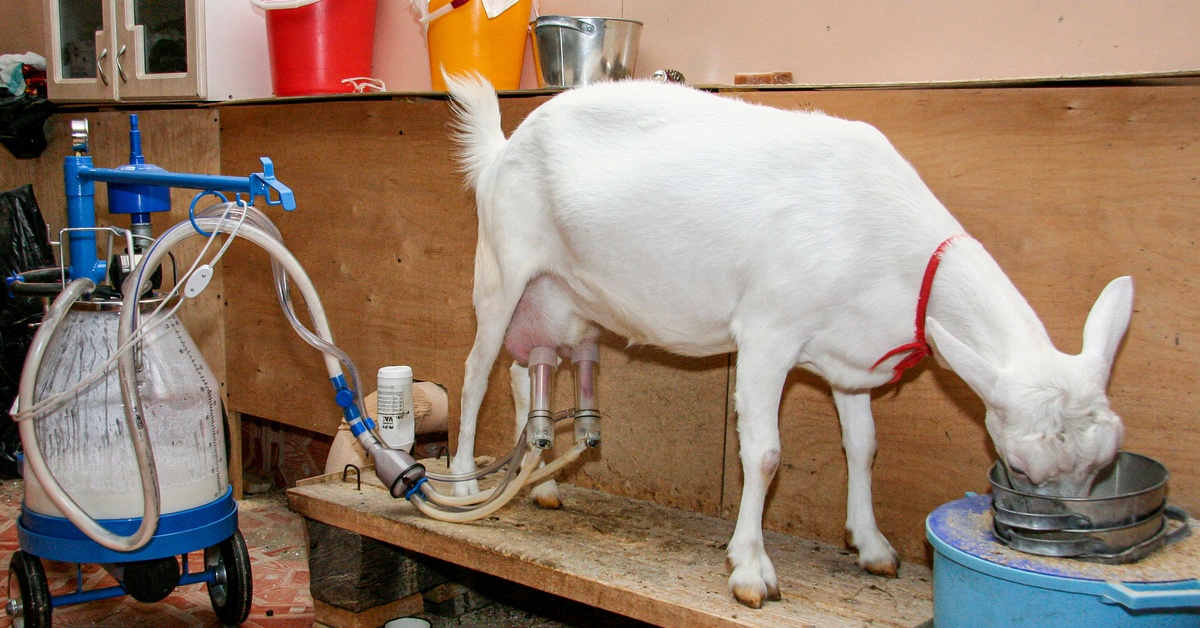
A portable goat milker is a movable system that helps collect milk without a permanent pipeline setup. The bucket holds the milk, the hoses move it, and the inflations help draw it from the teats. Check the parts for damage or blocked openings before each session.
You should also check the vacuum strength because goats need a gentle, steady pull. Follow the machine's instructions for the correct settings, and closely monitor the goat’s comfort during use. If the rhythm sounds uneven or the liners slip, pause and check the setup before continuing.
Choose the Right Milker
The right milker depends on herd size, milking frequency, available space, and how much milk you collect in a normal session. A small homestead with one or two goats may only need a simple bucket setup. However, a larger herd may need a bigger bucket or a system that handles back-to-back milkings. Also think about hose length, bucket weight, cleaning steps, and where the machine will sit during use.

Prevent Discomfort
Most dairy goats need to be milked once or twice daily, making comfort checks important when using portable milking machines. Discomfort during milking can make the goat restless, and if the problem continues, it may irritate or injure the teat tissue.
Watch for sudden kicking, tail clamping, back arching, repeated stepping, or a goat trying to pull away from the inflations. These signs may mean the vacuum feels too strong or a liner has slipped. Pause when something looks off so you can check the setup before continuing.
Also, look at the teat ends after removal. Redness, swelling, or pinched-looking skin can indicate a poor fit or excessive pull. Release the vacuum gently, adjust the machine as needed, and restart only when the goat is settled.
Keep Key Parts Ready
Small parts have a big role in a portable milking system. A worn gasket, a cracked hose, or low inflation can disrupt the whole routine. Keeping basic replacement items nearby makes daily milking much less stressful.
These are helpful items to have in your milking area:
- extra inflations
- spare milk hoses in the correct size
- clean gaskets for tight lid seals
- replacement plugs or small fittings
- approved cleaning supplies for dairy equipment
Attach Inflations With Care
Inflations are the soft rubber pieces that fit around the teats and draw milk into the system. Good attachment protects the goat and ensures the machine works properly, so start with clean, dry teats before putting them on. Gently attach each inflation without twisting or pulling, then check that it sits straight to keep the vacuum even.
Watch the milk flow as the session continues. If the flow slows sharply or the goat shifts in discomfort, check the placement before assuming milking has finished.
Watch Milk Flow Closely
Milk flow gives useful clues during each session. A steady flow usually means the machine has a good seal, the goat feels comfortable, and the udder is letting down properly. However, sudden changes may point to a slipped liner, a kinked hose, or a goat that needs a short pause.
End the session when the flow drops to a low level, rather than letting the machine keep pulling for too long. Overmilking may irritate the teat ends, so stay nearby and watch the process. After removal, check the udder by hand for remaining milk, firmness, or unusual heat, and finish with your usual post-milking care.
Avoid Rushing the Finish
A careful finish prevents unnecessary pulling on the teats and keeps the machine from tugging on the hoses. Shut off or release the vacuum before removing the inflations so they come away gently. Then, set the equipment where it will not tip or pull on the hoses.
Clean After Each Milking
Cleaning right after milking keeps residue from drying inside the system. Rinse the parts that contact milk with lukewarm water first, then wash with the cleaning method recommended for your equipment. Next, allow parts to drain and dry in a clean place before storage.
After milking, follow this basic cleaning checklist:
- Rinse milk-contact parts before residue dries.
- Wash bucket, lid, claw, and hoses thoroughly.
- Use dairy-safe cleaners as directed.
- Let parts drain with airflow around them.
- Store clean parts away from dirt and pests.
Store the Machine Properly
Portable equipment needs a clean storage spot between uses. Keep the bucket covered or inverted in a dry area, and hang hoses where they will not kink. Additionally, avoid setting inflations on dusty shelves or damp floors.
Portable milking equipment gives goat owners more flexibility because it can move wherever needed. It can also make small-herd milking cleaner and more organized without requiring a permanent setup. Checking the machine before use, attaching inflations carefully, and ending the session gently all protect the goat and the equipment. Good cleaning and storage habits also keep the system ready for the next milking. Whether you’re running a small homestead or a larger operation, shop with Parts Department for portable goat milking equipment and replacement components.