Factors for Choosing a Bulk Milk Tank for Dairy Operations
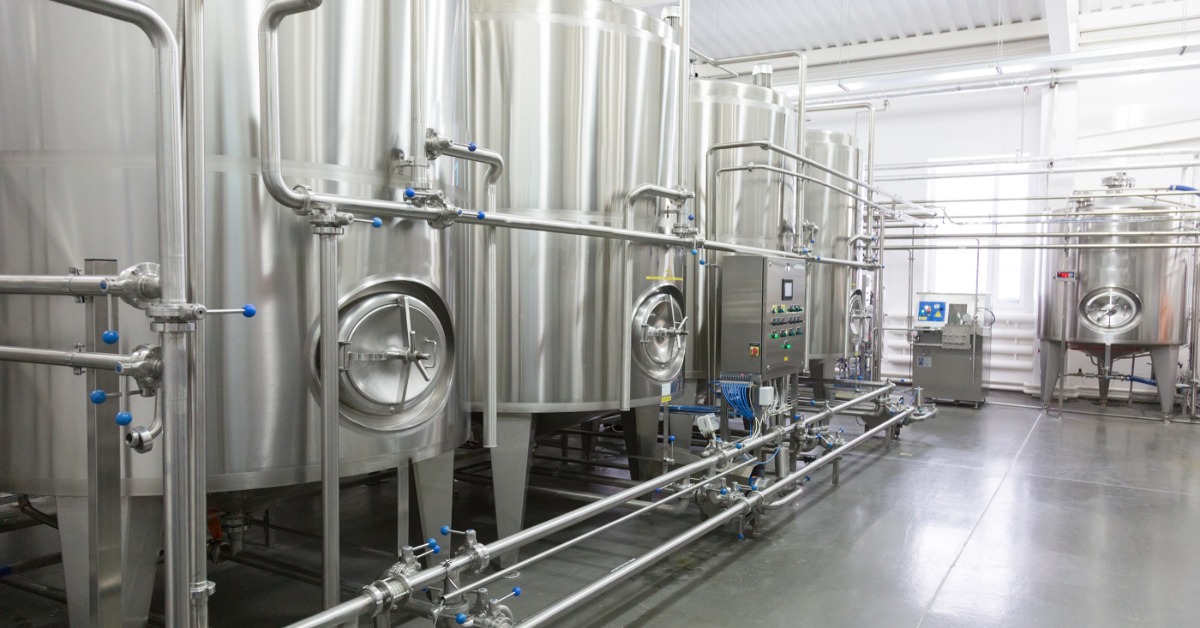
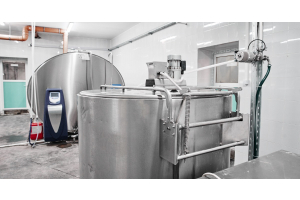
A bulk milk tank sits at the end of the milking process, but it shouldn’t be treated like an afterthought. After milk enters the tank, cooling, storage, and handling must remain in sync. When you choose a bulk milk tank for your dairy operations, you should consider factors such as the production volume, room layout, and future growth. The right tank makes it easier to move fresh milk into storage and hold it properly until the hauler arrives.
Start With Milk Volume
The right tank size depends on how much milk your farm needs to hold between pickups. Herd size can give you a rough starting point for estimating volume, but it doesn’t tell the whole story. Milk output can change based on breed, feed, weather, stage of lactation, and milking frequency. Additionally, a farm that plans to add animals soon may need extra capacity, but not so much that the tank feels oversized for current routines.
A bulk tank also needs enough milk inside it for the cooling and agitation system to work properly. When there’s too little milk in a large tank, the milk may not move across the cooling surface as evenly as it should. Therefore, the best tank size usually balances current production, pickup schedule, and realistic growth plans.
The Role of the Agitation System
The agitation system uses a paddle or similar mixing part inside the tank to keep milk moving gently. This movement spreads warmer milk across the cooling surface instead of letting it sit in one area. It also helps keep the temperature more even throughout the tank as fresh milk enters after milking. When the tank is too large for the milk volume, the agitator may not move the milk as effectively, which is why sizing the tank correctly is so important.
Check the Milk Room Layout
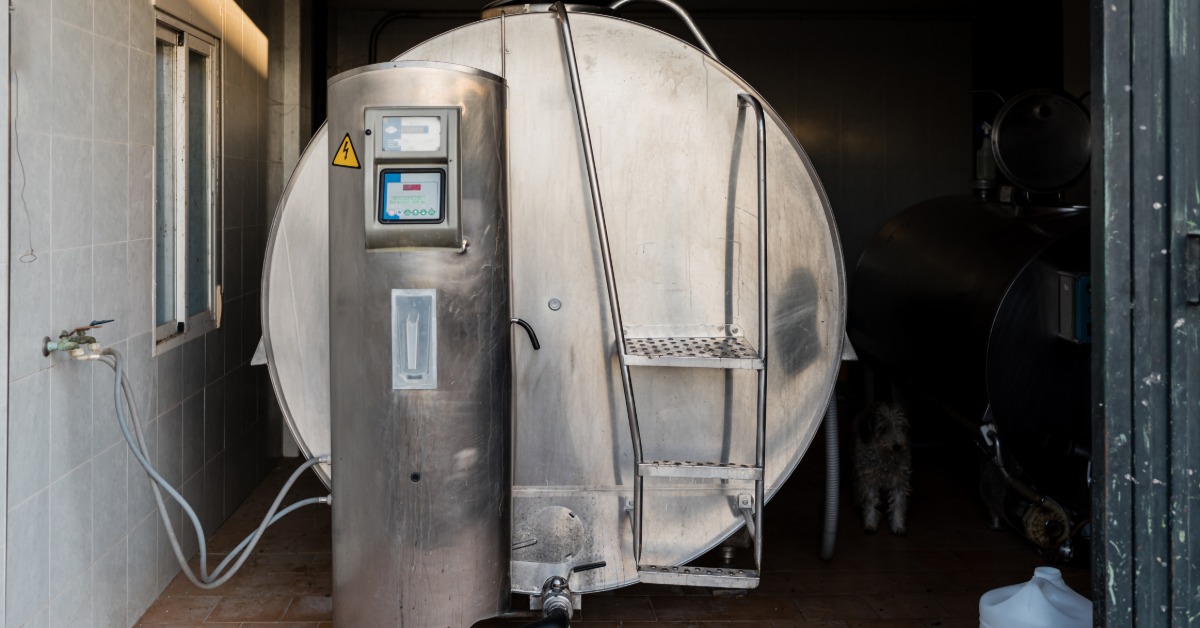
The milk room has to support the tank, so you must measure the available space. Crews also need space to open lids, reach valves, move hoses, and clean without having to squeeze in between equipment. Cramped spaces make simple tasks take longer, especially during busy milking times.
Before comparing models, check these details in your milk room:
- available floor space around the tank
- doorway and delivery access
- drain placement near wash areas
- electrical connection location
- hauler access to the outlet valve
Check Cooling Performance
Fresh milk needs prompt cooling after milking, which makes cooling capacity one of the first details to review. The tank should efficiently remove heat from the milk and keep the product at the required storage temperature until pickup.
For strong cooling performance:
- The refrigeration system pulls heat out of the milk after it enters the tank.
- Insulation minimizes temperature changes while milk is stored.
- Controls let the operator monitor and manage cooling settings.
- Agitation keeps milk moving gently for even cooling throughout the tank.
- The tank size helps the system work properly when matched to the farm’s milk volume.
Think About Heat Load
Heat load means the amount of warmth the tank must remove from fresh milk. A small herd may add milk gradually, while a larger dairy may send in a heavier volume at once. Therefore, two farms with similar daily totals may still need different cooling performance. Matching the tank to your actual milking pattern avoids strain on the refrigeration system.
Review Cleaning Access
A bulk tank needs regular cleaning. Start by checking the lid, valve area, inside surfaces, drain path, and any tight spaces where residue could collect. The crew should also be able to see inside the tank clearly and reach key areas without awkward stretching. When cleaning access is simple, the routine is easier to repeat correctly after each pickup.
Cleaning needs can also change based on the tank style and the equipment around it. Some tanks have built-in wash features, while others require more hands-on cleaning once the milk has been pumped into the truck. The room layout should leave enough space for rinsing, draining, and inspecting the tank.
Consider Power Requirements
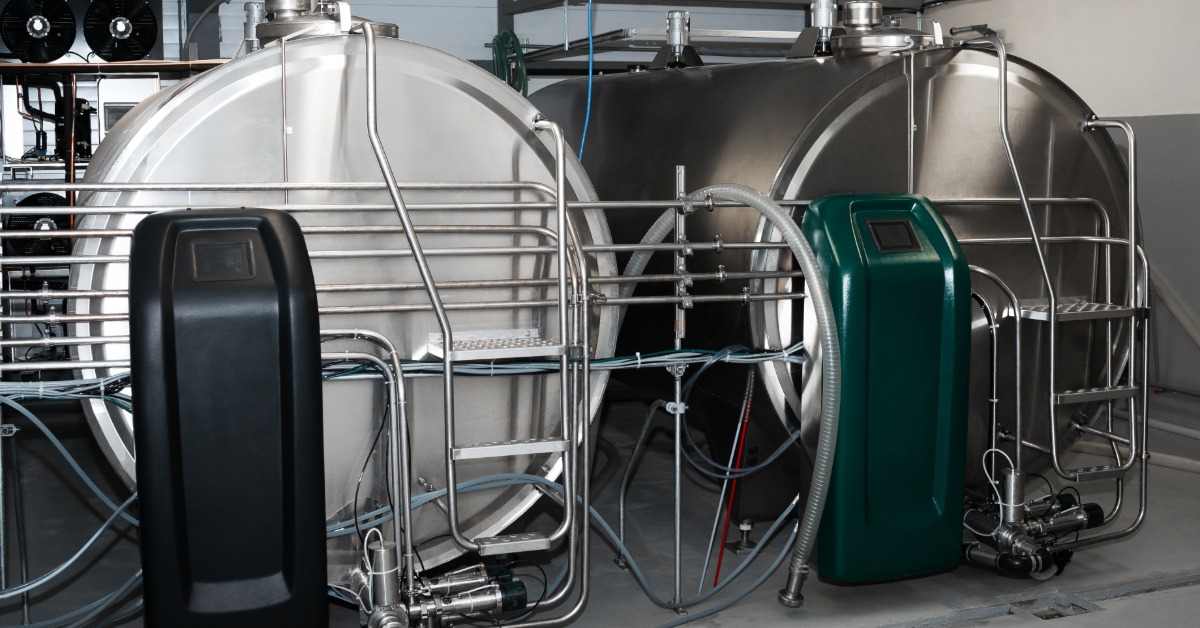
A tank’s electrical needs should match what your milk room can safely support. Some smaller cooling tanks use standard-style power setups, while larger tanks may require heavier electrical service. Your electrician or equipment supplier can help confirm what your building needs before installation day.
Power planning should also account for the tank's location in the room. Extension cords and awkward wiring don’t belong in a wet dairy work area. Therefore, plan electrical access early to keep the tank installation cleaner, safer, and easier to maintain.
Choose Practical Features
Helpful features should make daily work easier, not just sound impressive on a product page. When comparing options like a Milkplan bulk tank, look for features that enable simple temperature checks, steadier storage, and secure handling. The most useful features depend on your farm size and pickup schedule.
Look for these practical features in bulk tanks:
- clear temperature displays to make monitoring easier
- easy-access outlet valves that support smoother pickup and draining
- adjustable leveling feet that help with placement in the milk room
- lid styles that make cleaning and inspection easier
Plan for Growth
A bulk tank should fit today’s routine while leaving room for reasonable changes. Maybe you’ll add cows, shift pickup schedules, expand processing, or improve the milk room layout later. Some farms start small and grow faster than expected once their system becomes easier to manage.
Growth planning still needs a practical limit. A larger tank may seem like the safer choice, but it may not work well with your current milk volume, cleaning routine, or cooling needs. Before buying, estimate how much milk your farm may need to hold in the next few years and compare that number with your current pickup schedule. It also helps to think through future room changes, utility needs, and cleaning access so the tank still fits if your operation expands.
The best bulk milk tank is the one that fits your farm’s real rhythm. It should hold the right volume, cool efficiently, be easy to clean, and work with the space you already have. These considerations help you choose a tank that supports everyday milk handling without limiting where your operation can go.