
Posted by Scott Ford on Jul 27th 2026
Common Handling Mistakes With Portable Milk Buckets
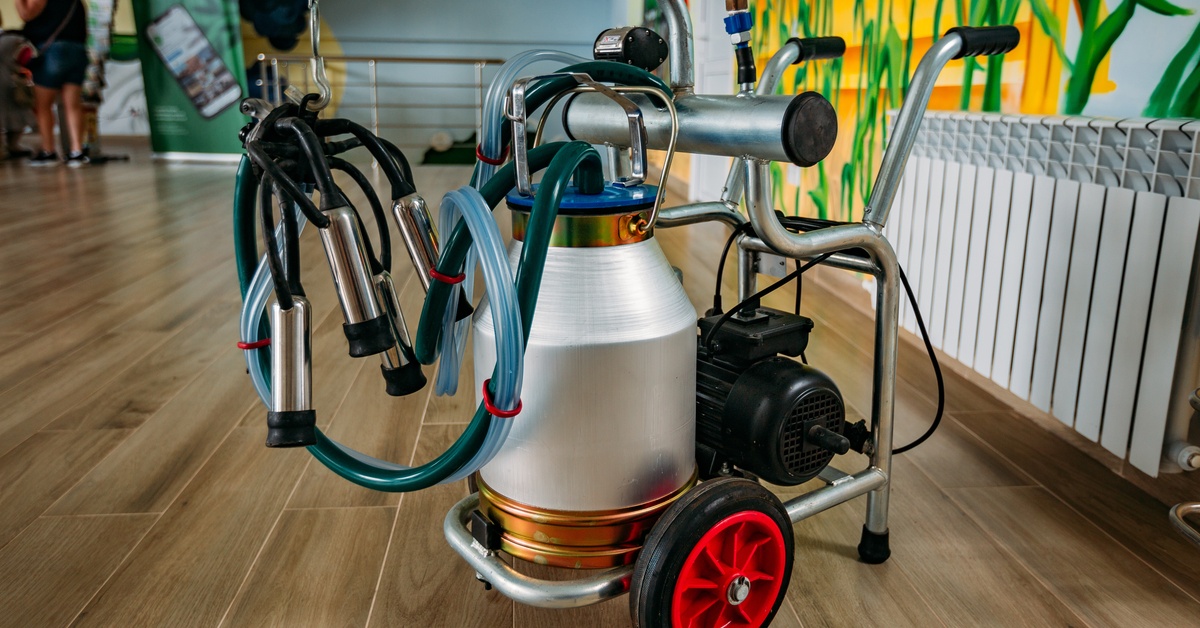
A portable milk bucket can feel like one of the most useful pieces of equipment in the barn. It lets you bring the milking setup closer to the animal, which can save time and make small-herd routines feel more flexible. However, mishandling portable milk buckets can turn that convenience into spilled milk, loose connections, and extra cleanup. Here are the most common handling mistakes and what to do instead.
Carrying Buckets Incorrectly
Grabbing a bucket by anything other than the handle can strain fittings, loosen connections, or knock the lid out of place. Use the handle when it’s secure, and keep the bucket upright while moving between animals, the milk room, and the wash area. Additionally, avoid dragging hoses across rough floors, as scuffs and tiny cracks provide residue a place to collect.
The bucket should sit on a clean, stable surface during setup and milking. Uneven floors, bedding, or clutter around the animal can make it wobble or tip. Finally, keep the bucket close enough for short hose runs to reduce tugging while still leaving space for the animal to stand comfortably.
Skipping Pre-Milking Checks
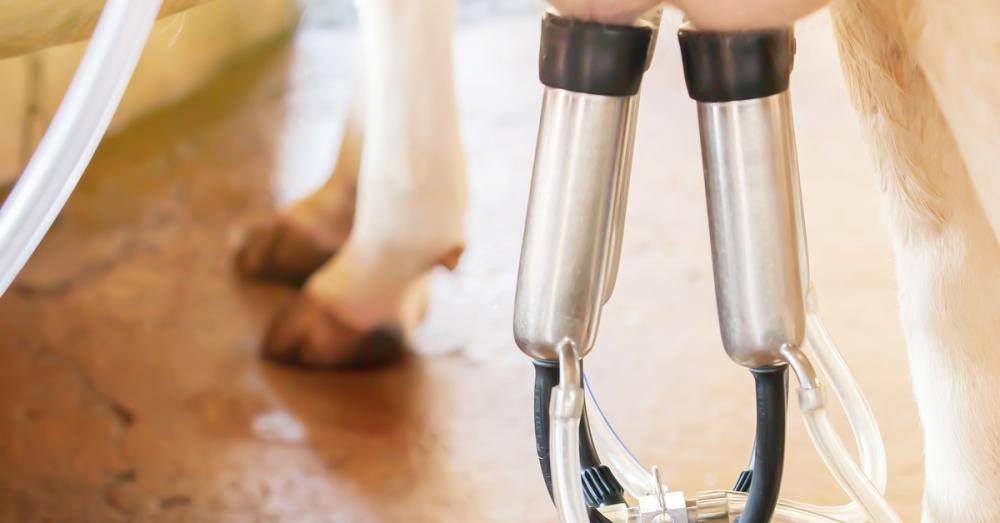
Before milking, inspect the lid gasket, hoses, inflation, claw, shutoff, and bucket interior. These parts all help control milk flow and cleanliness. If a part doesn’t look right, don’t try to push through the milking session with a questionable setup. Clean, adjust, or replace the part as needed so the bucket can hold suction and handle milk properly.
Do these tasks as part of your pre-milking routine:
- Check that the lid sits flat and seals evenly.
- Look for cracks, stiffness, or cloudy spots in hoses.
- Confirm that inflations sit properly in the shells.
- Make sure the bucket interior looks clean and smooth.
- Verify that the vacuum line connects without twisting.
Overfilling The Bucket
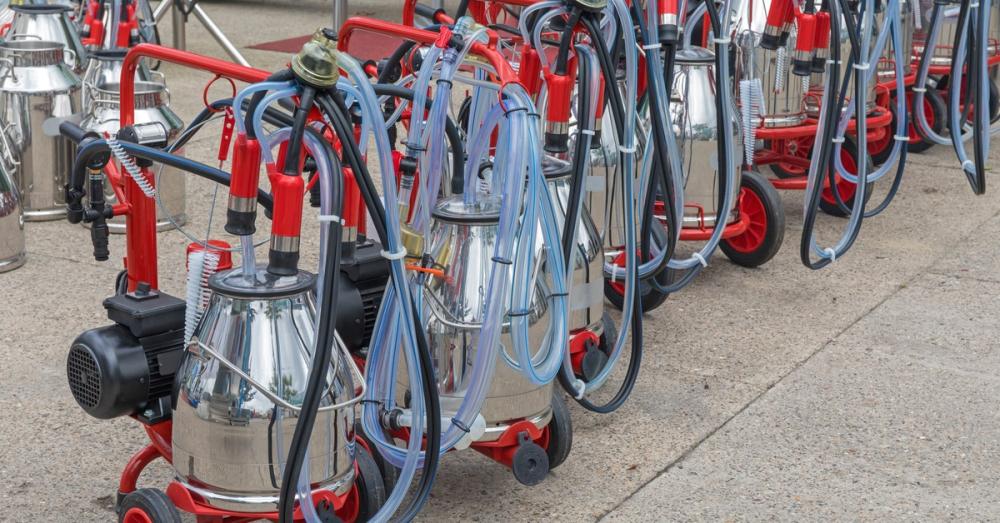
Overfilling creates a mess and puts extra stress on the bucket setup. Milk needs enough space inside the bucket so movement doesn’t push liquid into places it shouldn’t go. Plus, a bucket that’s too full becomes harder to carry.
It’s important to match bucket size with expected production. If one animal fills the bucket close to capacity, plan a transfer before continuing rather than trying to stretch the session.
Mishandling Vacuum Settings
Vacuum settings control how steadily the portable milking machine draws milk through the claw, hoses, and bucket system. Correct vacuum settings help the portable milking machine draw milk at a steady pace.
Poor vacuum suction can cause uneven milk flow and make the unit slip during milking. If the suction pulls too hard, the animal may become uncomfortable or harder to keep still. If it’s too weak, the session may take longer and require you to stop to adjust the equipment.
Weak suction doesn’t always mean the vacuum setting needs to go higher. If the suction feels wrong, the issue may come from the setting itself or from a worn gasket, blocked hose, loose lid, or aging inflation. Instead of turning the vacuum up, check the equipment instructions and inspect the parts.
Not Checking for Rubber Wear
Rubber parts don’t stay new forever, even when they look fine at a glance. Inflations, gaskets, and hoses can stiffen, stretch, crack, or lose their shape over time. As a result, the bucket may lose vacuum, slip during milking, or become harder to clean well.
A simple replacement schedule keeps wear from turning into a bigger chore. Check the rubber pieces during normal setup rather than waiting for a leak or poor fit. Additionally, keep spare parts on hand to keep the workflow moving.
Rushing Cleanup After Milking
Cleanup starts as soon as milking ends because milk residue dries quickly. Rinsing, washing, sanitizing, and drying each part prepare surfaces for the next use. Additionally, equipment that touches milk requires careful attention, as residue can hide in seams, hoses, and small connection points.
To clean the equipment properly, you should:
- Rinse milk-contact parts soon after use.
- Wash with the proper cleaner for the equipment.
- Brush areas that collect film or buildup.
- Sanitize according to label and equipment directions.
- Let parts drain and dry in a clean space.
Parts Need Full Contact
Cleaning only works well when the wash solution reaches every surface that touches milk. If any part has a hidden seam, tight space, or removable piece, take time to clean that area instead of rinsing only what you can see. Follow the cleaner label and equipment instructions for water temperature, wash time, and cleaner amount. These steps help break down milk residue and keep the parts ready for the next use.
Storing Parts Poorly
A clean bucket should dry completely before it goes back into storage. Keep the bucket, hoses, lids, and gaskets away from dust, pests, manure, and damp corners. If parts are stacked while they’re still wet, moisture can become trapped between surfaces, making the next milking routine harder to start cleanly. A simple drying rack or clean shelf gives washed parts a place to drain without touching dirty floors, shelves, or towels.
Choose a storage spot with good airflow and enough room to keep the smaller pieces organized. Hang hoses loosely so they don’t bend sharply, and place lids and gaskets where they won’t get crushed or warped. When possible, keep rubber parts out of direct sunlight because heat and light can wear them down faster.
Training Inconsistently
Portable setups can create confusion when several people handle the same equipment. One person may rinse right away, another may leave hoses attached, and someone else may store the lid upside down in the wrong spot.
Show each person the routine once or twice so they can see how to handle each part. Write down the steps if different family members, employees, or helpers use the equipment. Keep the instructions short and practical, then place them near the wash area or milking space.
A portable setup should make milking feel more flexible, not more frustrating. The most common handling mistakes with portable milk buckets usually come from rushing, skipping checks, overfilling, or putting parts away before they’re fully dry. Proper use and maintenance keep your portable setup in great condition and easy to use. Shop with Parts Department for portable milk buckets for both indoor and pasture milking.