Milking Strainer Basics for Clean, Consistent Milk

Clean milk handling starts long before milk reaches the tank, and the straining step is one of the easiest places to keep the process on track. Even when the milking area is tidy, small bits of bedding, hair, feed dust, or other visible debris can still make their way into the milk during collection. That’s why milking strainers are a basic need for clean, consistent milk. With the right strainer, filter, and handling habits, dairy owners can better control their product quality.
How Milking Strainers Work
A milking strainer holds a filter in place while milk passes through it and into a clean container. The filter catches visible debris while allowing milk to flow through at a steady pace.
A basic straining setup may include:
- a strainer body that holds the filter
- a milk filter or filter disk
- a clean receiving container
- a secure fit between parts
Choosing the Right Strainer
Some operations need a small, simple setup, while others need a larger strainer that can handle more frequent use. For a reusable setup, a stainless steel milking strainer can fit well into routines that need durable equipment for regular milk handling. The right strainer depends on your milking setup, daily milk volume, and preferred filter style.
Match Strainer To Setup
A small herd or homestead setup may not need the same size strainer as a larger dairy operation. The strainer should fit the containers you use and allow milk to pass through without spilling or awkward handling. If the equipment feels difficult to position, crews may be more likely to rush or skip steps. A good fit makes the routine easier to repeat every time.
Consider Milk Volume
Milk volume affects how quickly a filter fills and how much flow the strainer needs to handle. If the strainer is too small for the amount of milk being poured, the filter may clog faster or overflow. A larger setup can make sense when there is more milk to strain at one time. Matching size to volume keeps the process cleaner and less frustrating.
Check Filter Compatibility
Filters should fit the strainer securely without folding, slipping, or leaving gaps around the edges. A loose or mismatched filter can allow debris to bypass the filter surface. Before buying replacements, check the size and style your strainer requires. Keeping compatible filters on hand helps prevent delays during milking.
Disposable Versus Reusable Filters
Disposable filters are convenient because they can be used once and thrown away after milking. They are helpful for operations that require a fresh filter for each session without extra washing steps. Many dairy owners like them because they simplify cleanup and reduce post-use handling.
Reusable filters or screens may appeal to farms that prefer washable equipment. However, they must be cleaned thoroughly, dried properly, and inspected often. Always check the manufacturer’s instructions for cleaning steps and the replacement schedule.
Proper Strainer Placement
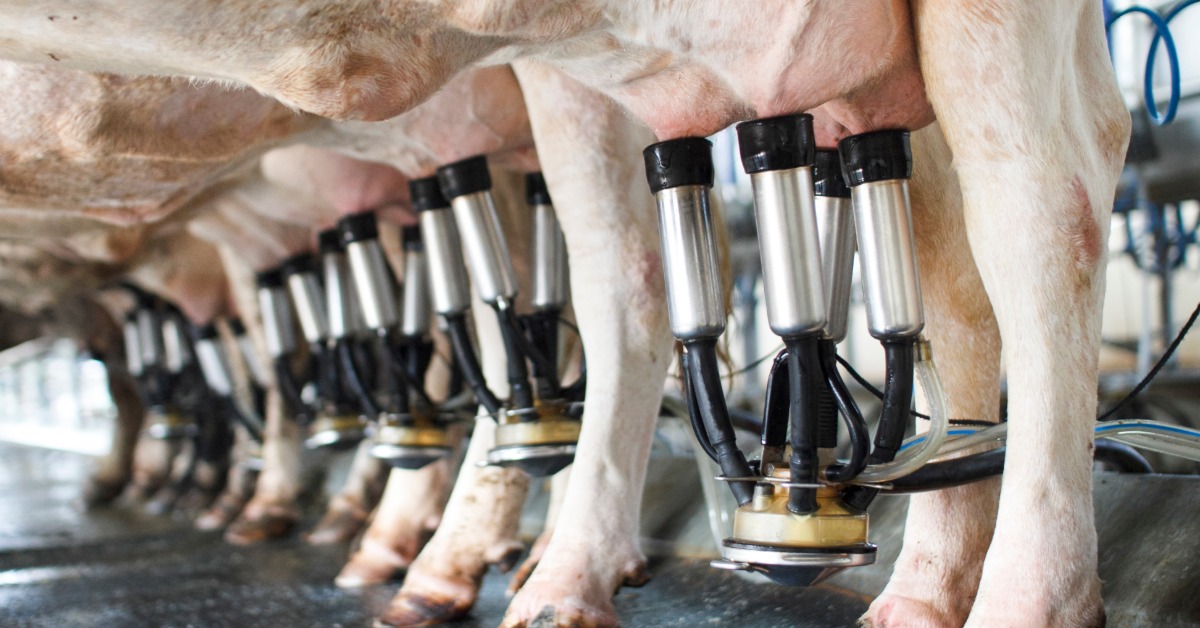
Strainer placement depends on how milk moves through your setup. In smaller routines, milk may be poured by hand through a strainer and into a clean receiving container. In larger or more automated systems, milk may pass through an inline filter as it moves through the line, so the filter still needs to sit securely and allow a steady flow.
Use these setup tips during straining or filtration:
- Keep the strainer, filter, or inline filter housing properly secured.
- Use a clean receiving container when pouring by hand.
- Avoid loose parts that could shift during use.
- Keep milk flow steady instead of rushed.
- Check for splashing, leaks, or backed-up flow.
Common Straining Mistakes
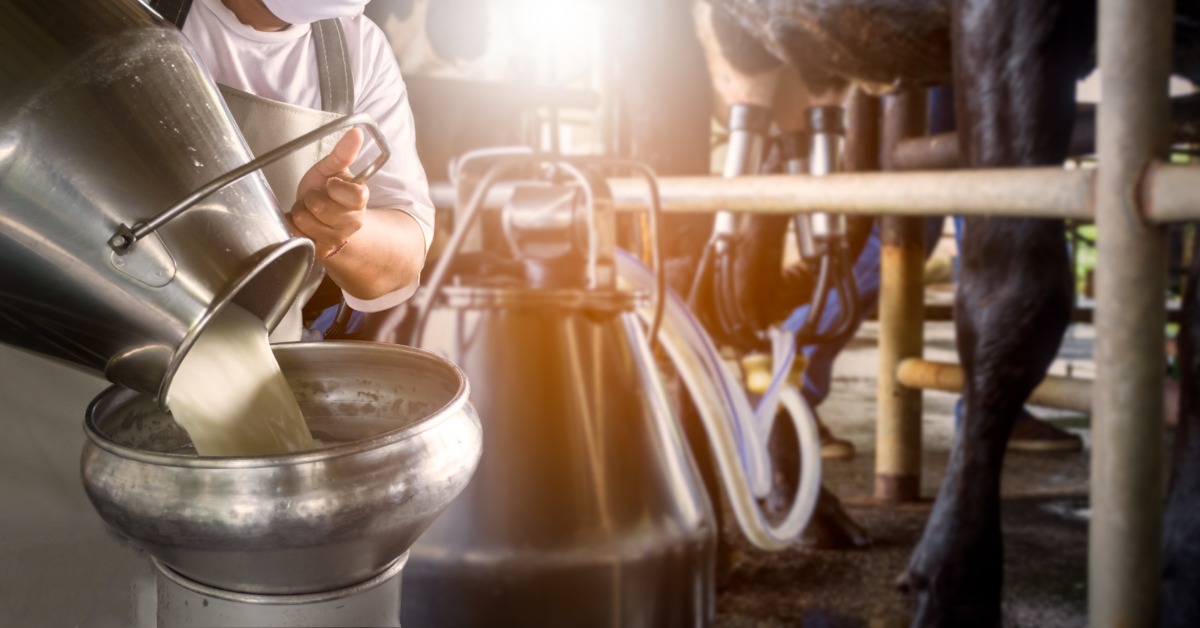
Straining issues often come from rushing, using the wrong filter, or not checking the setup before milk starts flowing. Small mistakes can lead to spills, clogged filters, or debris slipping past the filter. This section explains a few common habits that are easy to correct.
Overloading the Filter
Overloading the strainer or inline filter can slow milk flow and create backups. In hand-poured setups, this may happen when too much milk is poured before the filter has drained. In larger or automated systems, a clogged or undersized filter can restrict flow through the line and cause the system to operate less smoothly. Keep the filter matched to the setup, and pause or replace it if the milk flow starts backing up.
Rushing the Process
Rushing can lead to splashing, missed debris, and uneven milk flow through the filter. It can also make it easier to bump the strainer or shift the container out of place. In automatic systems, starting without checking the filter placement, line flow, or filter condition can lead to clogs and leaks.
Cleaning Reusable Strainers
Reusable strainers should be cleaned after each use to prevent milk residue from drying on the surface. Rinse away any leftover milk, wash the strainer using the appropriate cleaning process for your equipment, and allow it to dry completely before storage.
Good storage matters after the strainer is clean. Keep it in a dry, protected place where it will not collect dust or come into contact with dirty surfaces. If you notice dents, rough spots, or areas that are hard to clean, it may be time to replace the strainer or related parts.
When To Replace Filters
Filters should be replaced whenever they are torn, clogged, misshapen, or no longer fit the strainer correctly. A filter that doesn’t sit properly can create gaps through which debris may pass. Replacement timing also depends on how often you milk and how much milk moves through the filter.
Keep extra filters available so you are not tempted to reuse one that should be discarded. If you use disposable filters, plan your supply around your milking schedule to avoid running out at the wrong time. For reusable straining equipment, inspect parts regularly and replace any that no longer clean well or hold their shape.
These milk strainer basics keep each batch clean and consistent during daily handling. From filter choice to placement, each step supports the next part of the process. Parts Department offers milk filtration supplies for farms of all sizes. Shop with us for milk strainers, filter bodies, replacement parts, and other filtration essentials.