
Posted by Scott Ford on Aug 31st 2026
Necessary Milk Processing Equipment for Small Dairies
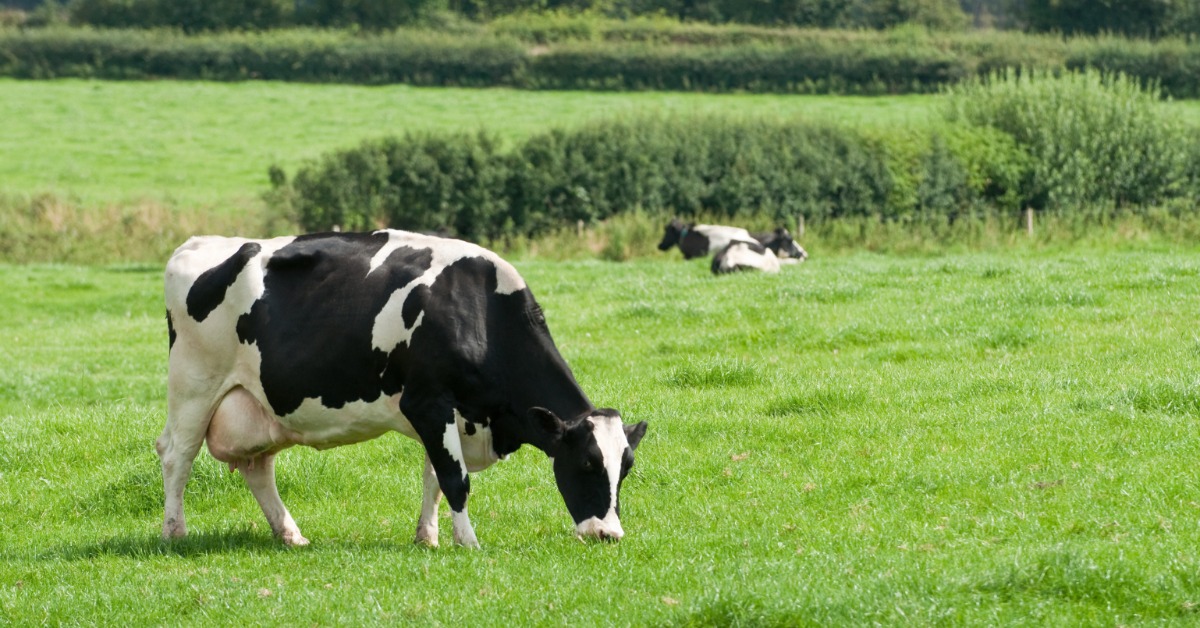
Running a small dairy often means making careful use of the space and time available each day. Once milking is complete, milk moves through additional steps such as filtering, cooling, processing, and packaging. Each stage of milk processing requires equipment suited to the task and the amount of milk being handled. Small dairies can streamline their workflow with the following devices and supplies.
Milk Filtration and Straining
Filtration removes visible debris before the milk enters cooling, storage, or further processing. Milk strainers hold a filter in place as milk passes into a clean receiving container or another part of the system. Depending on the setup, producers may use disposable filter disks, sleeves, socks, or other filter styles.
Because these products aren’t always interchangeable, it’s important to choose filters that fit the specific strainer or system being used. Keeping replacements readily available also reduces the chance that filtration slows down the rest of the routine.
Cooling and Cold Storage
After milk is collected and filtered, it needs a suitable place to cool and remain stored until the next step. Storage capacity should match the dairy’s typical production volume, available space, and the amount of time milk needs to be held.
Here are common cooling and storage components:
- Bulk milk tanks cool and store larger volumes of milk until pickup or further processing.
- Smaller cooling tanks provide cold storage for dairies that handle lower milk volumes or smaller batches.
- Stainless steel holding vessels keep milk contained between processing steps in a durable, easy-to-clean container.
- Agitators keep milk moving inside the tank so it stays evenly mixed during storage.
- Tank lids and seals cover storage tanks and create a secure barrier around the milk while it’s being held.
Cleaning and Sanitation Supplies
Any surface that comes into contact with milk needs regular cleaning to control residue and keep the processing area in good working order. A dedicated cleaning setup also makes it easier to wash, rinse, sanitize, and dry equipment consistently.
Wash Vats and Sinks
Wash vats or suitable sinks provide a designated place for cleaning removable dairy components and processing utensils. Ideally, the wash area should be large enough to accommodate frequently used parts without forcing awkward handling. It should also provide operators with enough room to thoroughly rinse components and prepare them for drying or sanitizing. Keeping milk-processing tools separate from unrelated washing tasks can also make the routine more organized.
Brushes and Cleaning Tools
Different parts of a dairy setup often require different cleaning tools. Narrow tubing and fittings may call for smaller brushes, while tanks, containers, and other larger surfaces need tools with greater reach. Some equipment may also need to be cleaned in place rather than placed directly into a wash vat. After use, brushes and other cleaning supplies should be stored in a designated area to dry and remain ready for the next cleaning cycle.
Pasteurization Systems
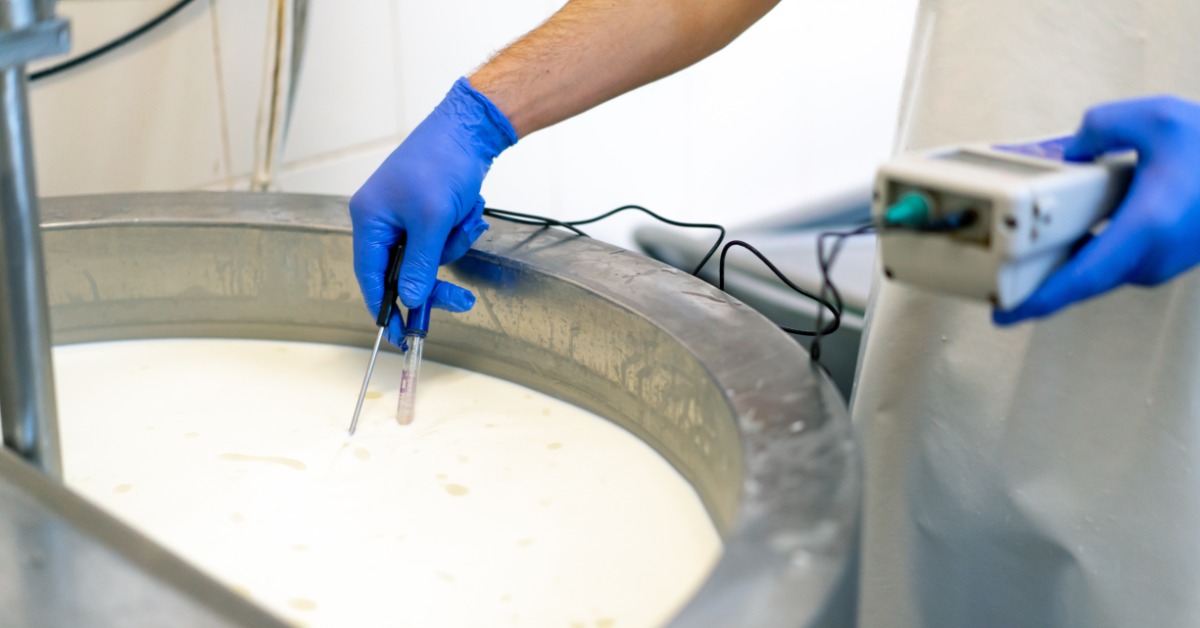
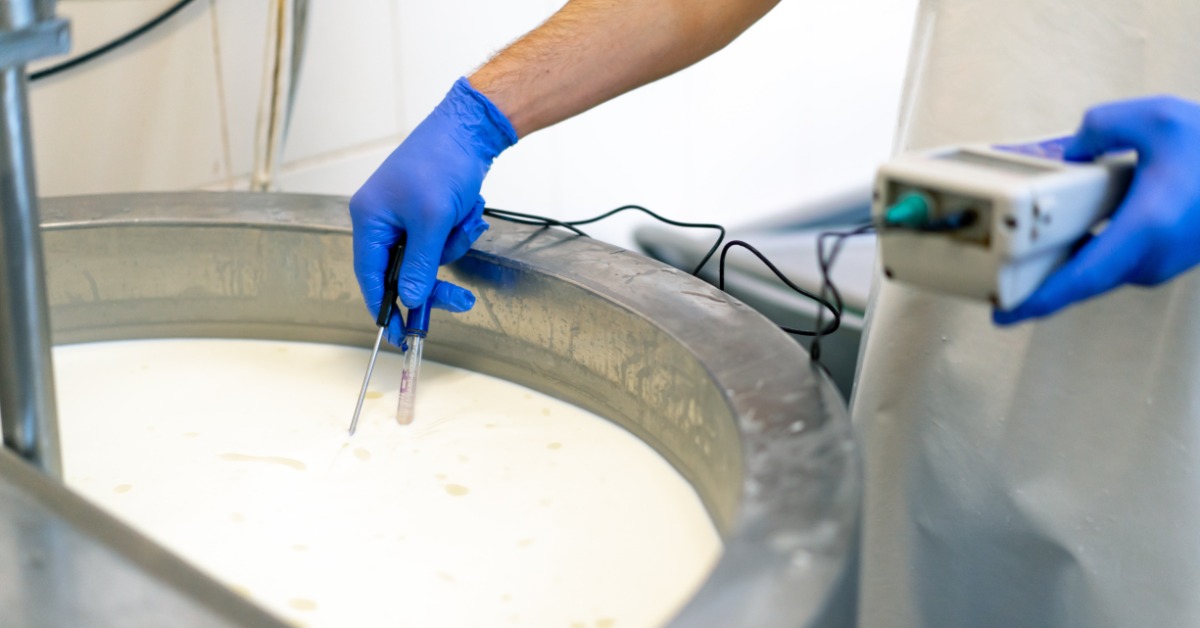
Dairies that pasteurize milk need equipment designed to heat and hold it under controlled conditions. The right system will depend on production volume, available workspace, and the types of dairy products being made.
Batch Pasteurizers
Batch pasteurizers process a set amount of milk at one time, making them a practical option for smaller production volumes. Choose a unit that fits the amount of milk you typically process. Also consider where the pasteurizer will sit in the workspace. It should be easy to fill, empty, and clean, and operators should follow the manufacturer’s instructions and any requirements that apply to the dairy.
Temperature Monitoring Tools
Choose a dairy thermometer that matches the temperature range and type of processing you’ll be doing. For example, some thermometers are better suited for checking cooling tanks, while others are designed for heated milk or pasteurization. Look for a model that gives clear readings, is easy to clean, and works well with your specific setup.
Cream Separation
A cream separator divides cream from milk for dairies producing butter, cream, certain cheeses, or other products that require separation. An undersized separator can slow production, while a much larger model may be impractical.
It’s also worth considering how the separator fits into the surrounding workflow and cleaning routine. When reviewing dairy milk processing equipment, producers can look at the separator alongside the tanks, filtration supplies, and other components used before and after it. This makes it easier to build a setup in which each piece works naturally with the next.
Cheese-Making Equipment
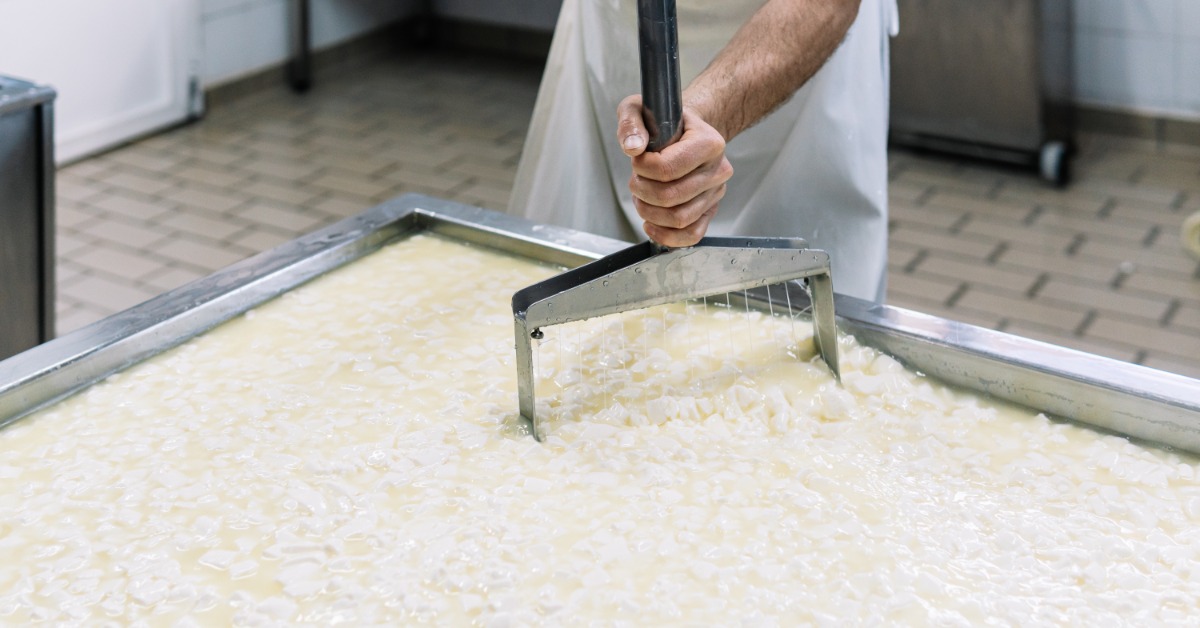
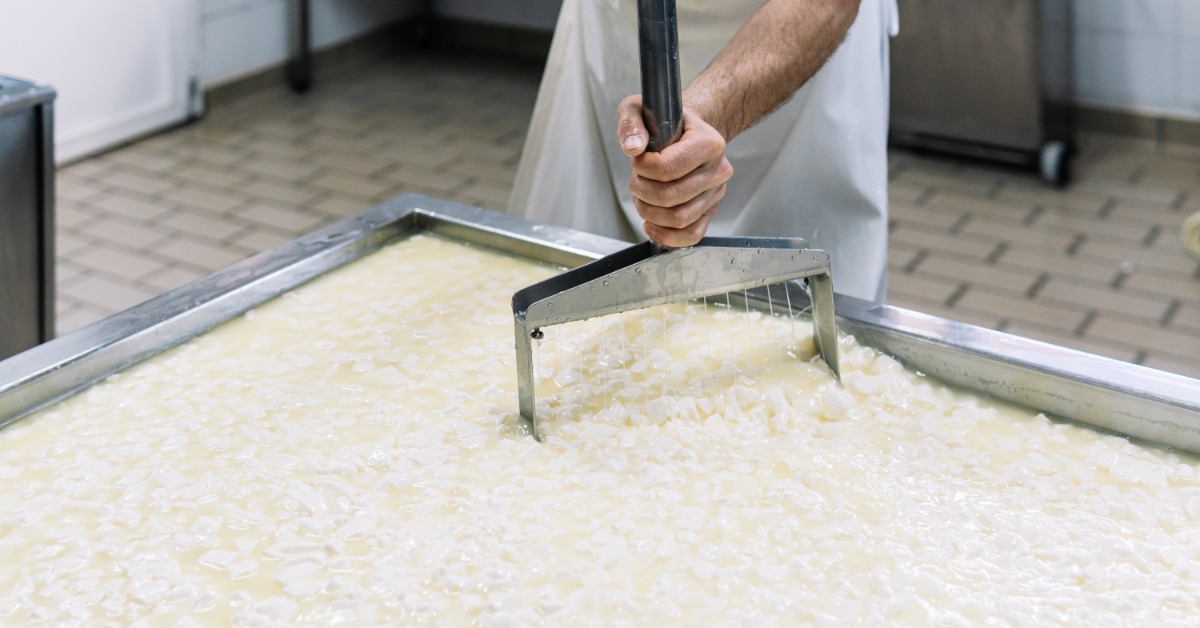
Making cheese adds several processing steps beyond basic milk cooling and storage. Equipment needs vary depending on the cheese being produced. Most setups require tools for heating milk, working with curds, draining whey, and shaping the final product.
Cheese Vats
A cheese vat provides a dedicated vessel for heating milk and handling curds during production. Its capacity should suit normal batch sizes while still leaving enough working room for stirring, cutting, or other processing steps. Stainless steel is commonly used for milk-contact equipment because it provides a durable surface that can be cleaned thoroughly.
Molds and Draining Supplies
Once curds have formed, the next steps may require molds, draining cloths, racks, or similar supplies. The exact combination depends on the type of cheese being made and the size of each batch. A small dairy producing several varieties may benefit from keeping multiple mold sizes or styles instead of relying on a single option.
Bottling and Packaging
Finished milk and other dairy products require suitable containers before they enter storage, sale, or distribution. Smaller dairies may start with simple manual filling tools, then add more efficient equipment if production volume increases.
Common bottling and packaging needs may include:
- bottle fillers
- filling valves
- caps and closures
- food-grade bottles or containers
- labeling supplies
There’s no single processing setup that works for every dairy. Small dairies should build around what they need today while leaving room for future changes in volume or product offerings. Choosing milk processing equipment that fits the workflow can make each step easier to manage from collection through packaging. Parts Department carries dairy components and supplies for a range of production needs.