
Posted by Scott Ford on Sep 23rd 2026
Common Causes of Dairy Equipment Downtime
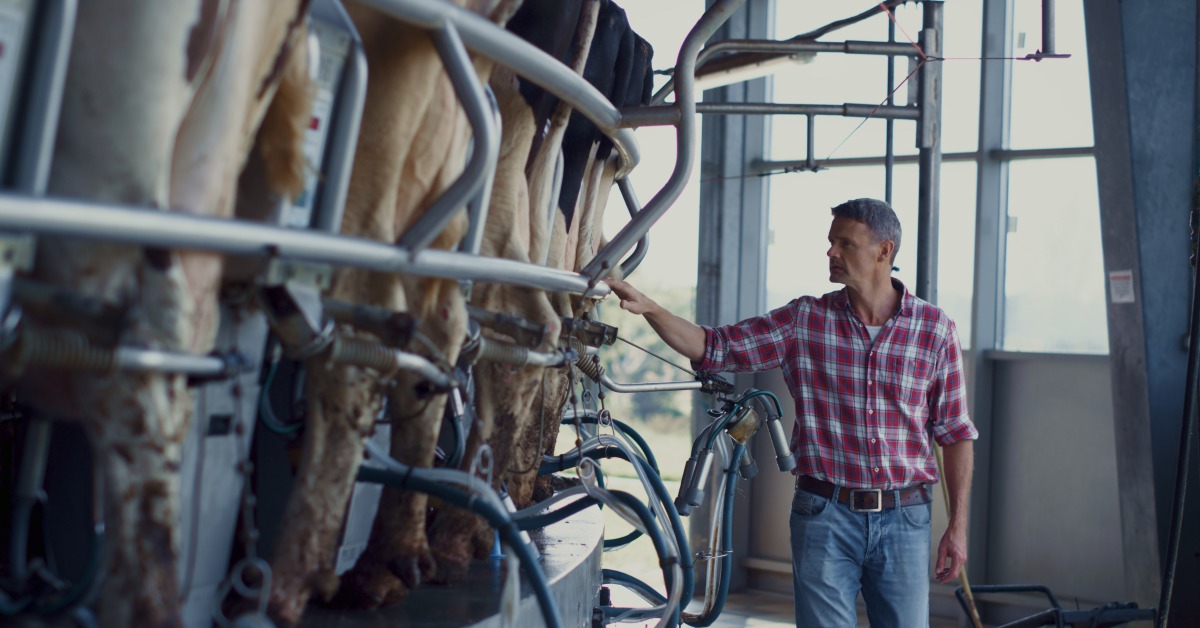
Even a brief equipment problem can slow milking, delay cleaning, or add extra work to an already full day. The source isn’t always a major failure; sometimes, routine wear or buildup is enough to interrupt normal operation. The common causes of dairy equipment downtime can affect several parts of the system, from hoses and pumps to filters and vacuum connections. Here’s what to watch for to keep your milking supplies in top shape.
Worn or Damaged Components
Milking equipment is exposed to regular movement, pressure, moisture, and repeated cleaning. Over time, those conditions can wear down parts that once fit tightly or worked consistently.
Hoses and tubing can develop cracks, stiff spots, or worn surfaces after extended use. Small openings may let air into the system or interfere with the movement of milk, water, or cleaning solution. Cloudy, brittle, or misshapen tubing can also signal that it's time to replace it.
Worn Gaskets and Seals
Gaskets and seals create tight connections between components throughout a milking system. As they flatten, crack, or lose flexibility, those connections may no longer seal as intended. The result can be air leaks, loose fittings, or inconsistent system performance. It’s a good idea to keep commonly used replacement seals on hand so you can make minor repairs promptly.
Damaged Milking Claws or Inflations
Claws and inflations are used during every milking session, so gradual wear is expected. Cracks, loose fittings, worn rubber, or damaged connections can interfere with consistent operation. Replace inflations on the manufacturer’s recommended schedule rather than using them until they fail. Also inspect the claw assembly for damage that might otherwise be easy to miss.
Vacuum System Problems
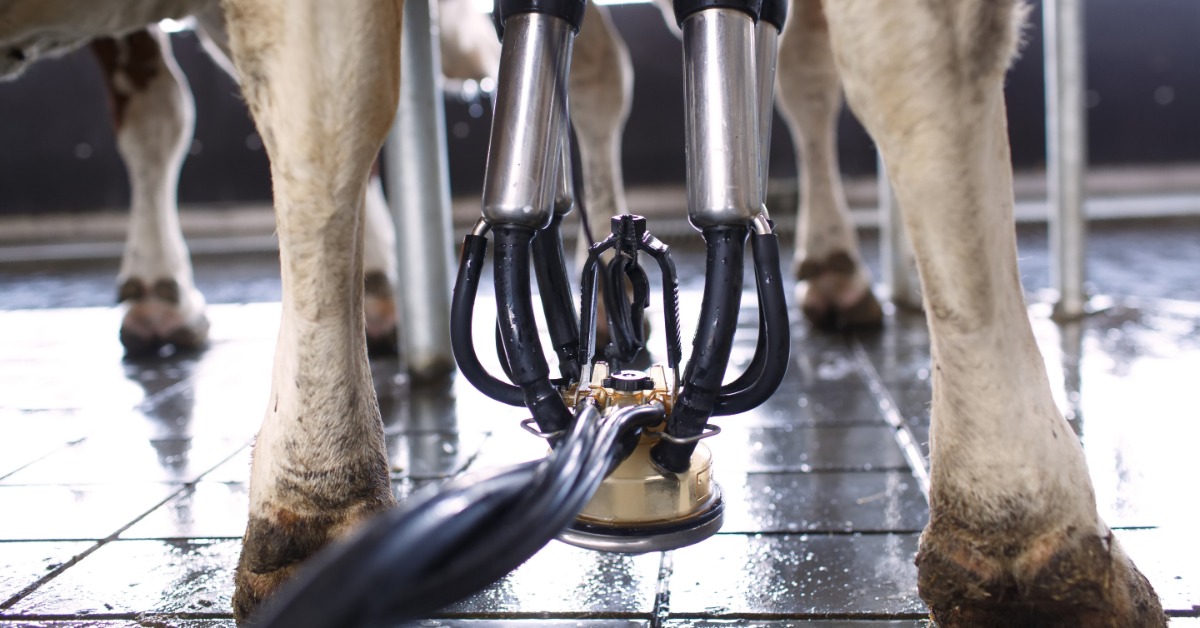
Unexpected rises or drops in vacuum pressure can affect how smoothly the system runs. Leaks, restrictions, improper adjustments, or worn components may all contribute to unstable pressure and cause downtime for dairy equipment.
When checking connections for possible air leaks, look for:
- Fittings or components that move when they should remain secure.
- Cracks, wear, or other visible damage around connections.
- Parts that no longer sit tightly enough to maintain a proper seal.
Vacuum pumps run frequently, so wear can build as operating hours add up. You might notice reduced performance and unusual noise, overheating, or difficulty maintaining the vacuum. Because maintenance requirements vary by pump design, follow manufacturer instructions for service intervals and lubrication. Addressing these signs of wear can keep the pump from failing completely.
Pump and Motor Failures
Pumps and motors keep several parts of the operation moving, from milk transfer to vacuum and cleaning systems. When one fails, the interruption can affect more than a single step in the process. Keeping service records for major dairy farm equipment makes it easier for you to track maintenance patterns and recurring issues.
Overworked Motors
Motors that run for long periods or operate under excessive load may generate extra heat and wear. Poor ventilation, blockages, mechanical resistance, or other system problems can all add strain to the motor. As a result, the motor may have to work harder to keep the system running. If you notice changes in sound, temperature, or performance, address the issue to prevent continued stress on connected components.
Electrical Component Issues
Pumps and motors also rely on switches, wiring, controls, and other electrical components. A failed connection or control can make otherwise functional equipment appear mechanically defective. Handle repeated breaker trips, unexplained shutdowns, or visible electrical damage cautiously. Only someone qualified to work on the system should complete electrical repairs.
Clogged or Restricted Lines
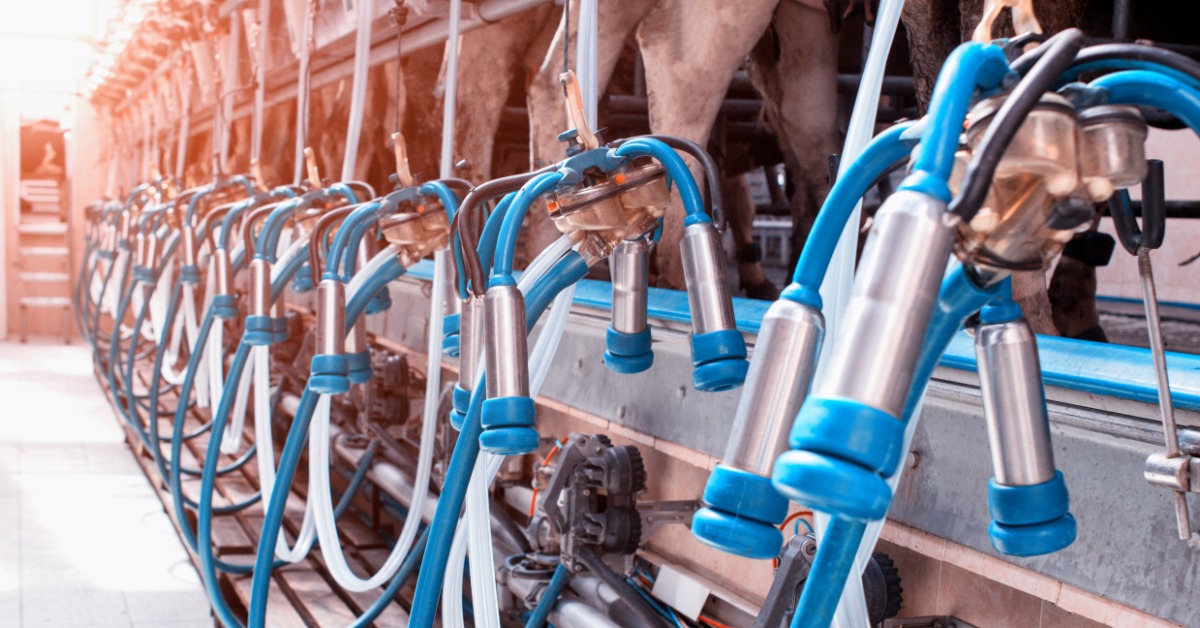
Sometimes, milk residue or debris can collect inside the system and interfere with normal flow. Milk lines, wash lines, filters, and other passages all need to stay clear to operate correctly. As buildup accumulates, those pathways can narrow, and damaged components may create additional restrictions.
Proper cleaning routines should circulate solution throughout the system and remove material left behind after milking. Following the manufacturer’s cleaning and maintenance guidance can make it easier to correct recurring restrictions and reduce delays.
If buildup keeps returning, review the following areas for possible causes:
- Check whether cleaning temperatures are appropriate for the system.
- Review chemical use to make sure cleaning products are being used correctly.
- Confirm that cleaning solution is circulating properly throughout the equipment.
- Inspect the equipment for wear, damage, or other conditions that may contribute to buildup.
- Make sure to clean or replace filters and strainers as often as needed.
Poor Cleaning and Sanitation
Poor sanitation can leave behind film, odors, and contamination risks while also shortening the usable life of some components. A consistent cleaning routine keeps equipment in better condition and makes it easier to notice parts that need service or replacement.
Good cleaning starts with following the manufacturer’s instructions for wash cycles, approved products, and equipment care. Pay close attention to claws, buckets, tubing, fittings, and other areas that come into contact with milk, especially spots that are harder to reach by hand.
Skipped Preventive Maintenance
Preventive maintenance means checking and servicing equipment before a failure interrupts the milking routine. How often this work is needed depends on the equipment and how heavily it’s used.
As part of a preventive maintenance routine, you can:
- Inspect hoses, seals, fittings, pumps, gauges, and moving parts for wear or damage.
- Follow manufacturer recommendations for routine service and replacement intervals.
- Record recurring problems so patterns are easier to spot over time.
- Replace worn components before they reach the point of failure.
- Keep frequently used replacement parts on hand to reduce delays when repairs are needed.
Part Replacement
A part doesn’t have to fail completely before it needs replacing. Continuing to use worn tubing, gaskets, inflations, seals, or other service parts can increase the chance of leaks or inconsistent operation. Follow manufacturer replacement intervals when available, rather than waiting for obvious failure.
Some equipment wear is unavoidable, but you can still make breakdowns easier to manage. Noticing small changes to components, keeping up with service, and replacing worn parts before they fail can reduce unexpected disruptions. With the right routine in place, downtime becomes easier to anticipate and less disruptive.