
Posted by Scott Ford on Sep 9th 2026
What To Look For in a Portable Goat Milker
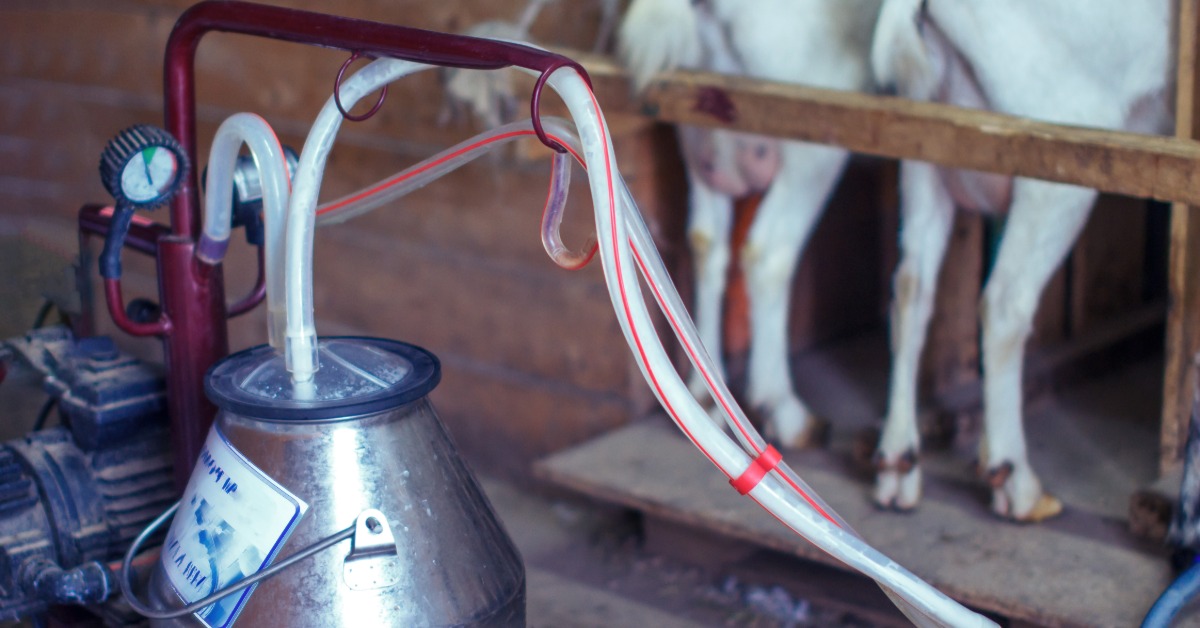
Milking a few goats by hand may work well at first, but the routine can become harder to manage as your herd or daily workload grows. A portable milker can make the process more efficient without requiring a permanent milking setup. To get equipment that works well for your herd, look for practical features such as proper sizing, easy cleaning, steady performance, and portability in a portable goat milker.
Consistent Vacuum Performance
The vacuum system provides the suction needed to move milk through the unit and into the collection bucket. For smooth operation, that suction should remain steady throughout a normal milking session. If vacuum levels fluctuate or the system operates inconsistently, milking can become less predictable and may signal that a component needs adjustment or maintenance.
When comparing vacuum systems, look at features such as:
- an easy-to-read vacuum gauge
- accessible vacuum controls
- secure hose connections
- a dependable vacuum pump
- replaceable system components
Proper Teat Cup and Inflation Fit
Fit is another important factor to consider when choosing a portable goat milker. Teat cups and inflations come into direct contact with the goat during milking, so they need to suit the animals using the system.
Before buying, check which inflation styles and sizes are designed for the milker you’re considering. Since inflations are wear parts, you’ll also want replacements to be easy to identify and source. Clear sizing information can make both initial setup and future maintenance much simpler.
Sizing for Your Goats
Goats can vary considerably in teat size and shape, even within the same herd. The right components should create a secure fit without making attachment or removal unnecessarily difficult. If you milk several animals, consider whether the system can comfortably accommodate those differences.
Appropriate Milk Bucket Capacity
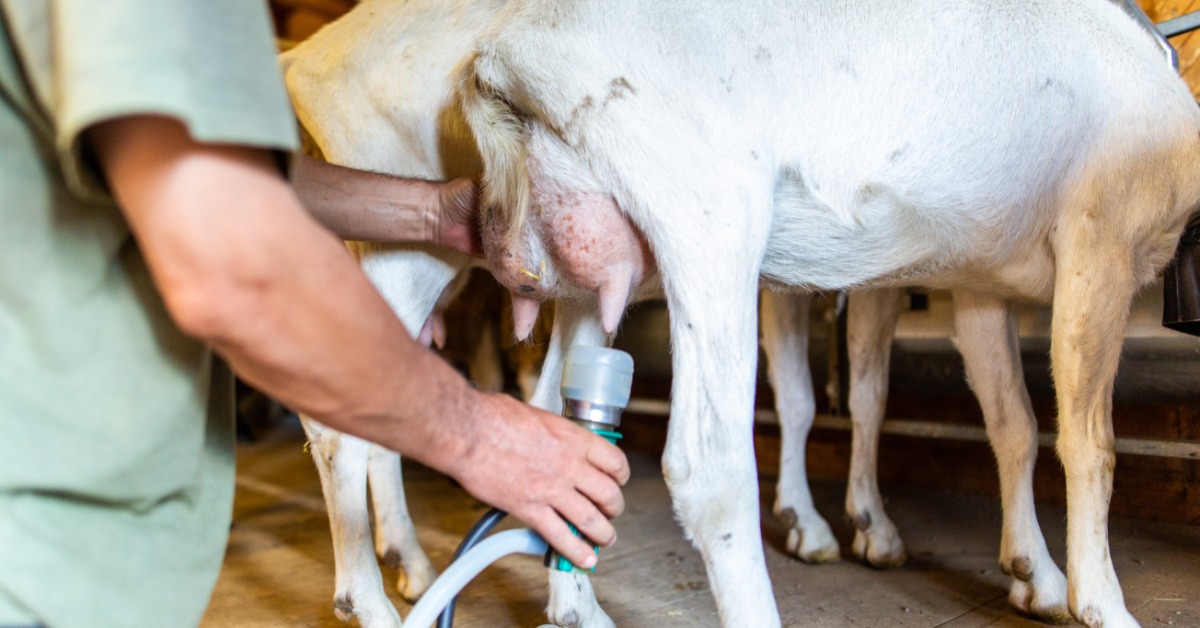
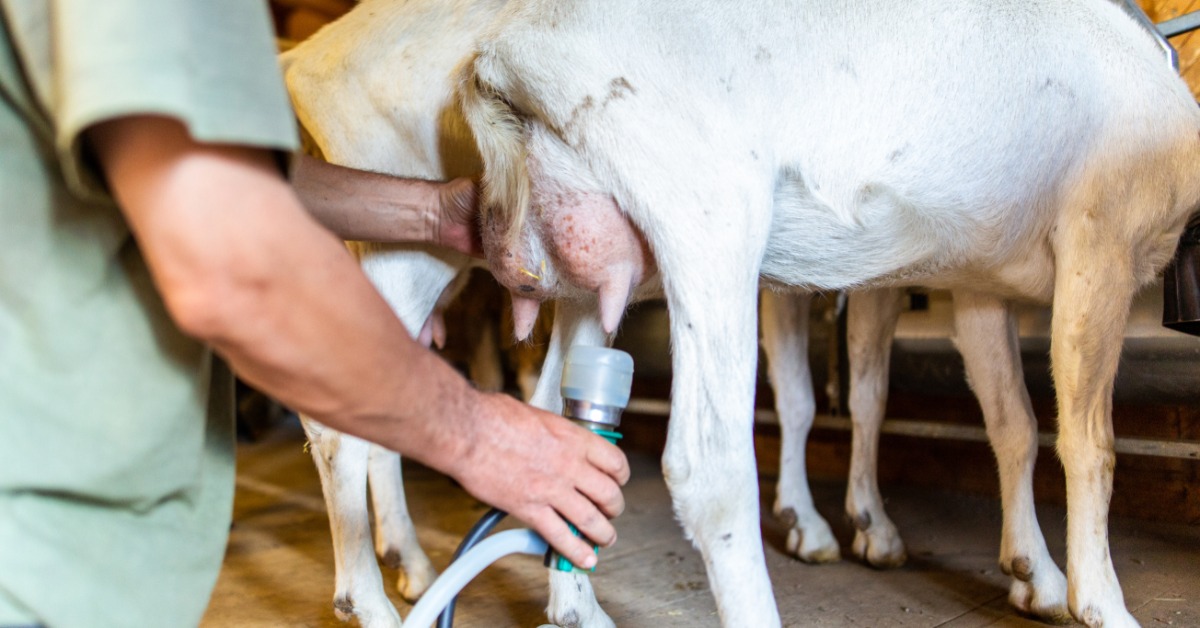
Look for a bucket capacity that matches your typical milk volume. In a portable goat milker, the right size can reduce unnecessary stops. If the bucket is too small, you may need to stop more often during milking. On the other hand, choosing a much larger bucket than you need can make a portable setup heavier and less convenient to handle.
Think about how the bucket will fit into the rest of your routine as well. You’ll need to lift, carry, empty, and wash it regularly, sometimes while it’s full. Comparing complete milk machines for goats provides a useful reference for the bucket sizes and components commonly included in portable systems.
Herd Size and Milking Volume
Herd size offers a useful starting point, but it doesn’t tell you everything about the capacity you’ll need. Milk production varies from goat to goat, and some operators empty the bucket between animals or groups. Consider how much milk you usually collect during one session and how frequently you’re comfortable emptying the container.
Food-Safe, Durable Materials
Materials should be suitable for repeated contact with milk and regular washing and sanitizing. Pay close attention to the bucket, lid, fittings, hoses, inflations, and any other components that milk passes through. These parts should be designed for dairy use and maintained according to the manufacturer’s recommendations.
Durability matters too, especially because portable equipment is moved and handled so often. Components are regularly assembled, disconnected, washed, and stored, which can place extra wear on fittings and connection points.
Stainless Steel Milk-Contact Parts
Stainless steel is commonly used for dairy equipment because it provides a smooth, durable surface that withstands repeated cleaning. When reviewing a portable milker, note which milk-contact components are stainless steel and which use other materials. Smooth surfaces and well-finished connections are generally easier to inspect and maintain than areas with difficult-to-reach crevices. Regardless of material, every milk-contact surface still needs proper cleaning after use.
Easy-To-Clean Components
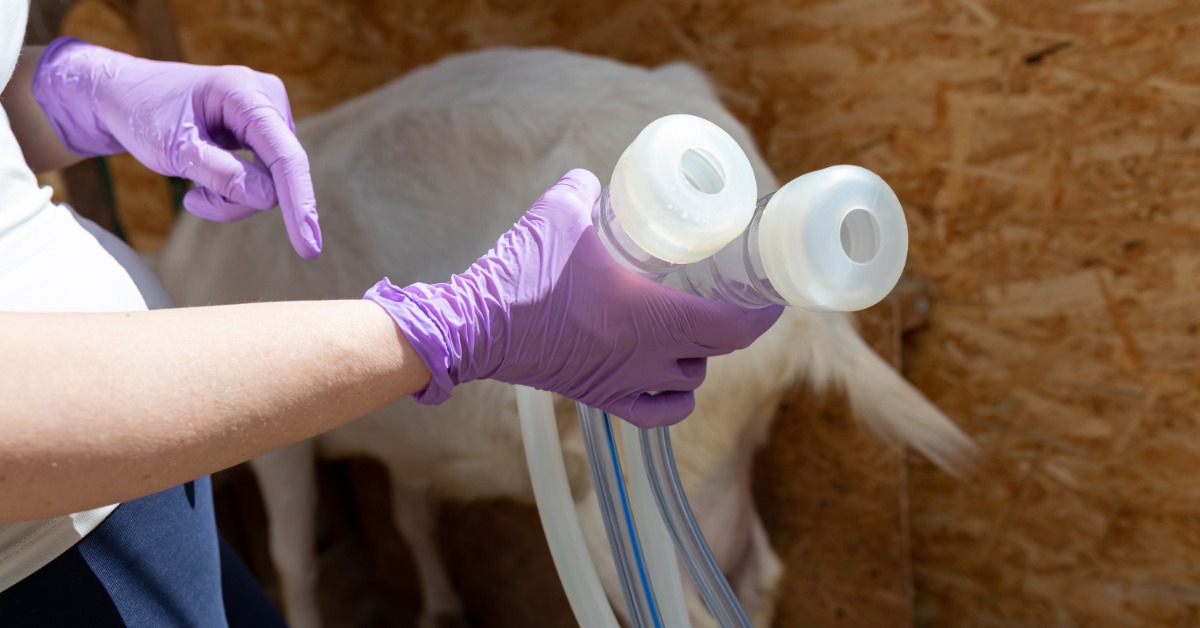
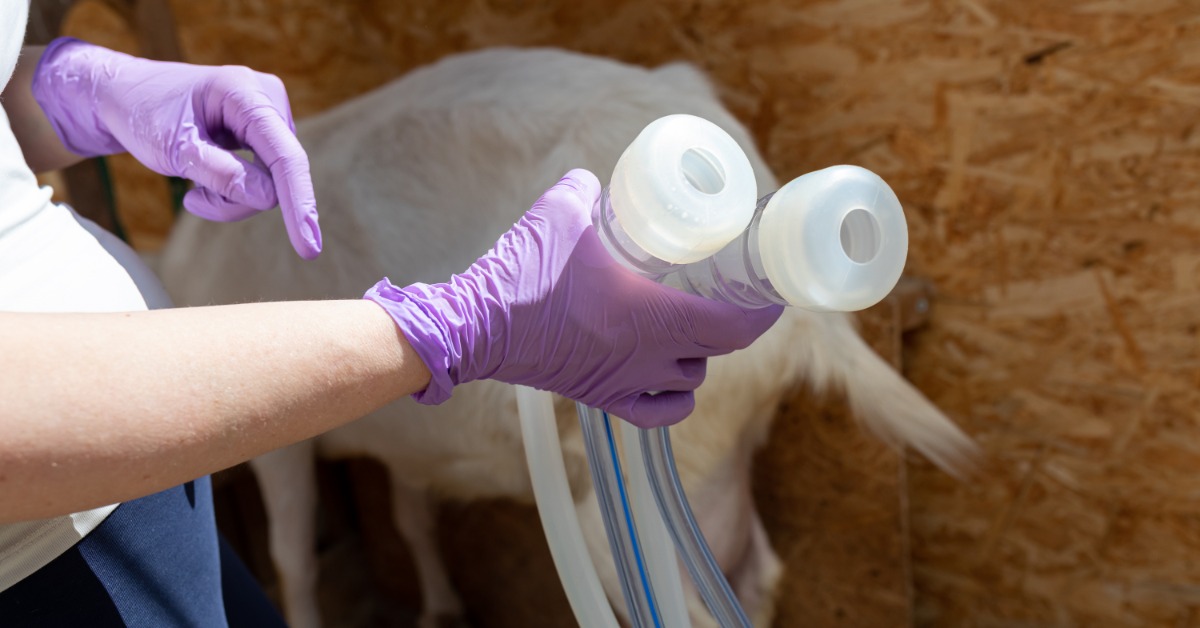
Cleaning is part of every milking routine, so the way a machine comes apart can make a noticeable difference in day-to-day use. Components that are easy to access and remove make it easier to clean the system thoroughly and consistently. Narrow hoses, fittings, lids, and other areas where milk travels deserve especially close consideration.
Common parts that require routine cleaning include:
- milk buckets and lids
- milk hoses and tubing
- claws or milk collection pieces
- teat cups and inflations
- fittings and connectors
Practical Portability
A portable goat milker should be easy to move through the spaces where you plan to use it. Size and weight both affect convenience, but balance and overall shape can be just as important when maneuvering equipment around a barn or milk room. Think about the entire route the unit will travel, from storage to the milking area and then to the wash space.
Think about how the entire milker moves from one area to another. Hoses and cords that drag, tangle, or get in the way can make even a compact machine harder to handle. Look for a setup that keeps these components organized while still giving you easy access to controls and connections.
Accessible Replacement Parts
Even a well-maintained milker will eventually need replacement components. Inflations, tubing, hoses, gaskets, pulsators, and fittings may wear out or become damaged over time. Choosing equipment with clearly identified replacement parts can make those routine repairs far easier to manage.
Availability can be especially important when you depend on the machine every day. A small worn part can cause a much larger disruption if a compatible replacement is difficult to find. Keeping commonly used wear items on hand may also reduce downtime when maintenance is needed.
Simple Setup and Operation
A portable milker should fit comfortably into the routine you already follow before, during, and after milking. Consider how easily the hoses connect, where the controls are located, and how the bucket attaches to the rest of the system.
Good instructions also add value over the life of the machine. Look for guidance that covers assembly, operation, cleaning, adjustment, and basic maintenance rather than setup alone. When the equipment is easy to understand and inspect, it’s easier to spot small issues before they interfere with your regular milking routine.
The best portable goat milker for your operation should balance performance, convenience, and practical upkeep. Start by considering how reliably the machine operates and whether its components are a good fit for your goats. From there, think about how easily the unit can be cleaned, moved, and maintained over time. Considering these factors makes it easier to choose a milker that fits naturally into your routine.