
Posted by Scott Ford on May 13th 2026
Things To Know Before Adding On-Farm Milk Processing
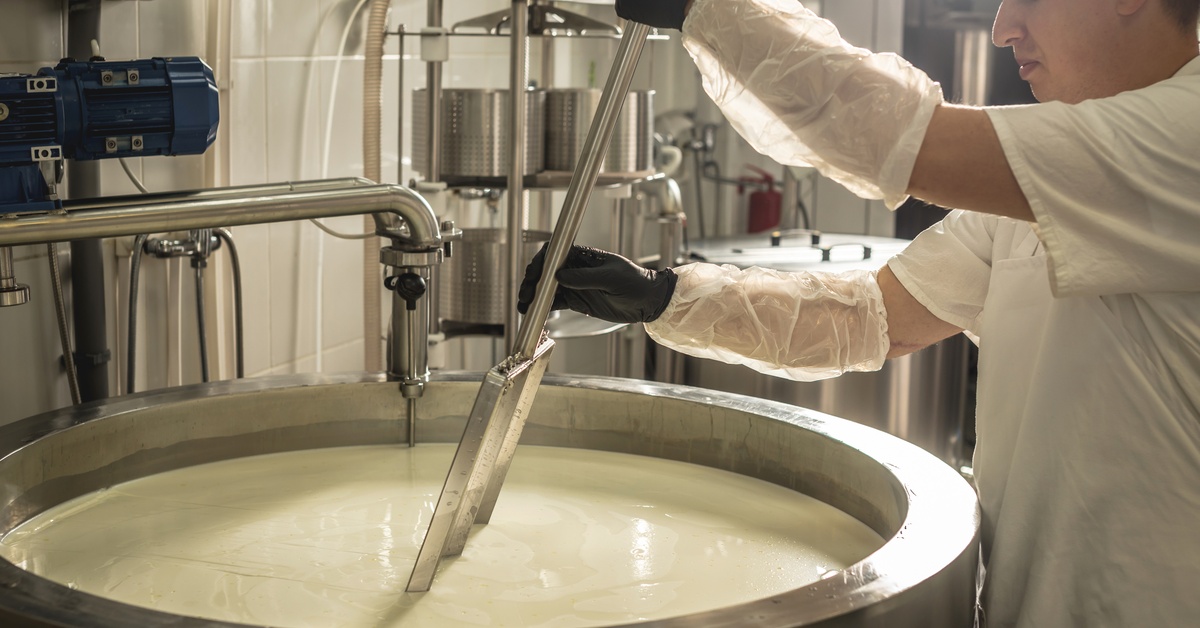
Turning farm-fresh milk into bottled milk, cheese, yogurt, or cream can be an exciting next step for a dairy operation. It also gives producers more control over how their milk is handled and sold. However, there are many things to consider before adding on-farm milk processing. Thinking through these details can make the transition easier and more practical.
Start With the End Product
The first decision is simple on paper: decide what the milk will become. Bottled milk, cream, yogurt, and other dairy products each need different handling steps, processing times, and storage plans. Additionally, some products require different equipment or testing routines.
A farm that wants to bottle milk will likely need a different workflow than one focused on cultured products or cream. Product choice affects how much room workers need, how quickly milk must move through each step, and what supplies should stay on hand.
Check Local Requirements
Milk processing rules can change based on where the farm is located, what product it makes, and where that product will be sold. Before buying equipment or changing a room, producers should talk with the local dairy inspector or state agriculture department to understand requirements.
Secure Permits
Some farms may need permits for the processing room, milk plant, water supply, waste handling, or finished product sales. The exact requirements depend on the state and the type of dairy product being made. Getting these answers early helps producers avoid expensive changes after the setup begins.
Review Facility Rules
A processing space may need certain sinks, drains, washable surfaces, lighting, ventilation, and storage areas. Inspectors may also look at how raw milk and other items move through the room. The goal is to create a space that stays clean and easy to work in.
Confirm Labeling and Testing
Finished dairy products may need approved labels, batch records, temperature logs, and product testing. Clear records demonstrate that the farm follows the same safe process each time. Check with your local dairy inspector or state agriculture department to confirm what each label needs to include. Testing requirements can also vary by product and sales plan.
Plan the Processing Space
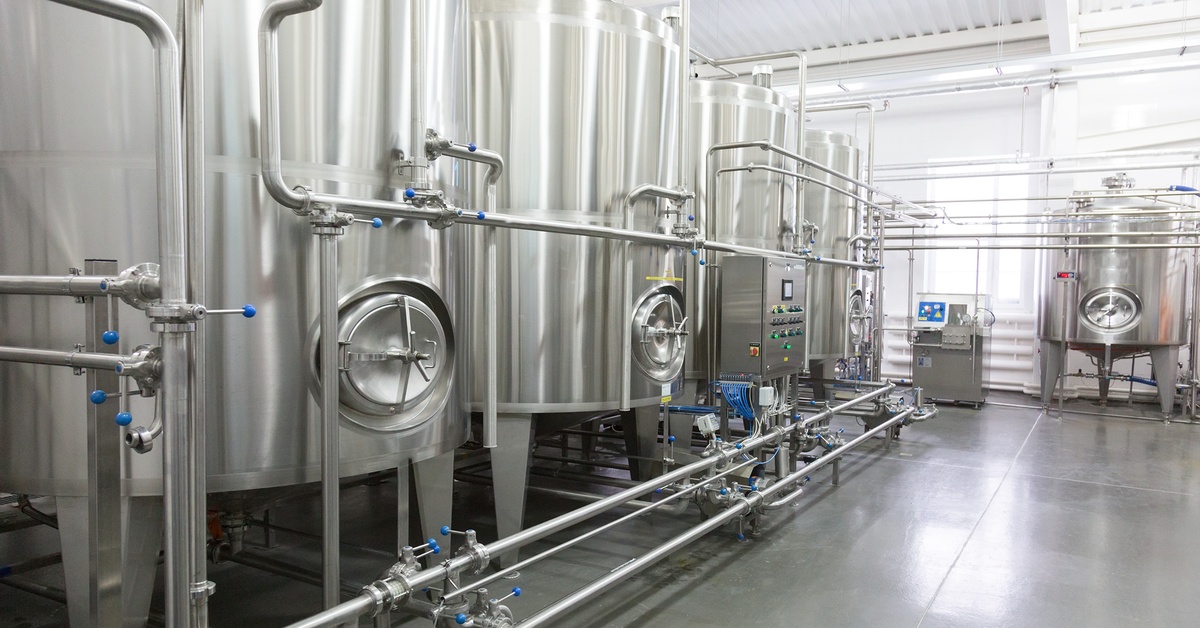
A processing room needs a clean, logical path for milk, people, packaging, and finished products. The layout should reduce backtracking and prevent items from crowding one another.
Here are the core details to review when planning the space:
- Milk should move through the room in a clear order.
- Floors should support washing and proper drainage.
- Finished products need a cold holding space.
- Workers require room to move safely.
Match to Volume and Batch Size
Milk processing and testing equipment moves, tests, cools, stores, and packages milk safely. When choosing on-farm milk processing equipment, producers should consider their current daily milk volume and their projected needs in the near future. A system that’s too large may waste energy and space, while a setup that’s too small may slow every batch.
Batch size is another important part of choosing equipment. Smaller batches may work well for limited production, specialty products, or farms testing a new sales plan. Larger batches may make more sense when the farm has steady demand and enough space for all steps.
Prepare for Cold Storage
Bottled milk, cream, yogurt, and many cheeses require careful temperature control after processing. Additionally, the cold storage area must hold products safely without blocking walkways or mixing finished goods with unrelated supplies.
Bulk tanks, coolers, and refrigeration equipment should match both production volume and pickup or delivery timing. If finished products need to stay on the farm between sales or deliveries, plan for extra cold storage capacity.

Track Testing and Records
Testing helps producers check product quality, while records show what happened during each batch. Inspectors may review these logs during visits, so entries should be clear, dated, and filled out consistently. It also helps to keep records by batch for traceability.
A basic recordkeeping routine includes:
- Recording milk and product temperatures.
- Tracking pasteurization time and temperature.
- Keeping cleaning and sanitation logs.
- Saving product batch records.
- Reviewing test results before sales.
Review Records Regularly
Producers should review their own records regularly, not just save them for inspection. These logs can show patterns in milk temperatures, pasteurization times, cleaning routines, and test results. If something looks off, the farm can check the equipment or adjust its process.
Train Everyone Involved
Everyone involved in processing should know how to use the equipment correctly, even if they do not handle every task each day. Good training makes it easier to grow the operation, add new workers, and maintain consistent product quality as production increases.
Explain Each Equipment Step
Training should walk workers through each piece of equipment they may use during processing. This includes how to start it, monitor it, shut it down, and clean it after use. Workers should also know what normal operation looks and sounds like so they can address issues quickly.
Use Written Procedures
Written procedures give workers a clear reference when they are learning or need a reminder. These instructions can cover milk movement, pasteurization steps, packaging, cleaning, temperature checks, and recordkeeping. Keep the steps easy to follow in the processing area. Additionally, update procedures when equipment, products, or inspection requirements change.
Practice Problem Scenarios
Training should include what to do when something goes wrong. Workers need to know who to contact, what to stop, what to record, and which products may need to be held back.
Budget Beyond Equipment
The purchase price of equipment is only one part of the full project cost. On-farm milk processing can also bring updates to the room, utilities, supplies, and weekly labor schedule. A realistic budget should include both setup costs and the items the farm will continue to buy or replace over time.
To avoid missing key costs related to on-farm milk processing, producers should:
- Plan for utility updates, such as plumbing, electrical work, and drainage.
- Include inspection-related changes that may be required before approval.
- Budget for packaging supplies, labels, and cleaning products.
- Set aside money for replacement parts and testing supplies.
- Account for refrigeration needs and added labor.
Adding on-farm milk processing can create new product options, but the best setups start with careful planning. Producers should know their product goals, local requirements, equipment needs, storage limits, and daily workflow before making major changes. Parts Department makes it easier to find dairy equipment and replacement parts that fit the way your farm works. With our dependable supplies from the teat to the tank, producers can smoothly refine and grow their operations.