How To Identify Leaks in Milking Tubes & Hoses
A milking system can run smoothly for days and still hide a small problem that throws everything off at the worst time. Tiny air leaks in hoses and tubes can affect vacuum stability, milk flow, and cleanup. It’s worth learning how to identify leaks in milking tubes and hoses before problems pile up or an obvious failure appears. By identifying problematic sounds, visual clues, and tactile differences, you can find leaks earlier and keep your milking setup running smoothly.
Start With Sound
Your ears may catch the first clue before your eyes pick up anything at all. A steady milking system has a familiar rhythm, so a hiss, whistle, or sputtering noise deserves a closer look. If your system’s sound changes, it makes sense to inspect the lines before assuming a bigger mechanical issue.
Walk the system slowly while it runs, and pause near bends, joints, and connectors. Small leaks tend to appear where tubing flexes the most or where parts were recently handled during washing.
Listen During Milking
Milking time gives you the clearest chance to hear changes under normal working conditions. Vacuum sounds stand out more when the system is fully in use, and everything is under load. A quick listen at startup helps, yet a second pass during active milking usually tells you more.
Check Visible Damage
A visual inspection still does a lot of the work when you are chasing down a leak. Cracks, flattened spots, worn ends, and cloudy tubing can all point to trouble. Older material may look dry, rough, or brittle before it fully fails. Replace that older material as soon as you notice those signs, since worn tubing is less likely to hold a reliable seal.
You can identify leaks in milking tubes and hoses by paying close attention to areas where they bend, rub, or remain under tension. Look where the hose meets a fitting, where it runs past brackets, and where clamps press against the surface. Those areas tend to show the first signs of wear, and they are easy to miss during a rushed check.
Here are five visual signs that a hose or tube deserves closer attention:
- Fine cracks near bends.
- White stress marks on clear tubing.
- Soft or thinned spots by fittings.
- Flattened sections that restrict flow.
- Frayed or uneven hose ends.
Watch Vacuum Changes
Milking systems rely on a steady vacuum, so even a small air leak can disrupt performance. A jumping gauge, weak claw action, or uneven milk-out can all point back to a hose issue.
Pay attention to what happens when you reposition a line or touch a connection. If the system steadies when you move one section, that response gives you a strong clue about where air may be slipping in.
Read The Gauge
A vacuum gauge gives you more than a number on the wall. It shows whether the system holds steady or shifts when a hose moves, a claw turns, or a connection flexes. Watching the gauge while you inspect tubing makes the search for leaks less frustrating.
Inspect Connections First
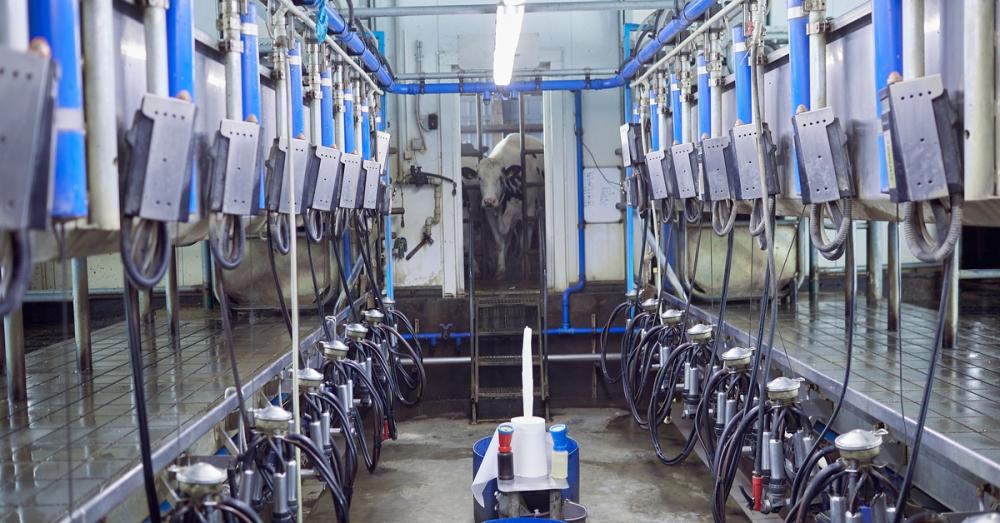
A loose connection can let air slip into the system, which may lower vacuum stability, reduce milking efficiency, and create uneven milk flow. A fitting may look seated while still leaving enough space for air to slip around the edge. Because of that, it makes sense to check every clamp, coupling, and junction before you assume the hose wall itself has failed.
Give each connection a gentle hand check with the system off, then look at how the tubing sits on the fitting. A hose that rests crooked may never seal well, even when the clamp feels tight. In many cases, a clean reseat with the correctly sized part solves the issue faster than just tightening everything.
Feel For Weak Spots
Your hands can pick up things your eyes miss. When you run your fingers along a tube, you may notice sticky areas, thin walls, or sections that feel harder or softer than the rest. Those changes usually indicate wear, age, heat, or frequent exposure to the cleaning chemicals circulating through the system during routine wash cycles.
Focus on the ends of the tube and any area that flexes regularly, because those sections usually show wear first. Comparing the suspect section with a newer piece can also help you tell whether the tubing still feels sound.
Know When To Upgrade
Some leaks keep returning because the tubing has simply reached the end of its useful life. Repeated wash cycles, daily flexing, and general wear break down the material over time. At that stage, patching a single weak area may take more time than replacing the entire run.
Test During Cleanup
Cleanup provides a great inspection window. Warm, recently washed tubing is easier to handle, rotate, and examine closely. Additionally, problem spots may stand out more clearly once residue and grime are gone.
Look at how the lines hang after washing and how they drain. A section that collapses, traps residue, or kinks may have internal damage or weakening that affects its performance.
Replace Before Failure
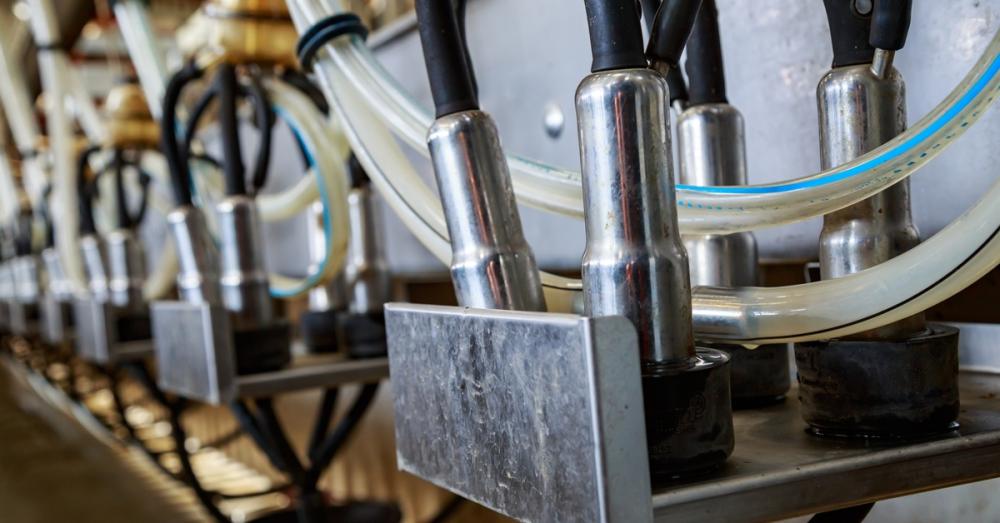
Waiting until a hose fully fails usually turns a simple fix into a rushed interruption. A replacement plan keeps you from scrambling in the middle of a milking session when time is already tight. In other words, swap out aging or damaged lines before they become a bigger headache.
When choosing replacement milking tubes, match the inner diameter, wall thickness, and material to your milking system’s specifications. Check that the tubing fits snugly on your existing fittings so the connection seals tightly without forcing the hose. Good milking tubes should feel flexible but sturdy, have consistent wall thickness, and show no bubbles, thin spots, or uneven edges along the length.
Fix the Cause
A new hose will not solve much if something nearby keeps damaging it. Sharp edges, poor routing, overtight clamps, and constant rubbing all shorten hose life faster than expected. So, once you replace a damaged section, take a step back and look at why that area wore out.
These five follow-up checks help prevent the same leak from coming right back:
- Reposition tubing away from sharp edges.
- Match the hose size to the fitting.
- Replace worn clamps or connectors.
- Remove twists that stress the line.
- Add quick inspections to the cleanup.
Good milking performance depends on details, and tubing condition is one of them. When you pay attention to weak spots, worn connections, and subtle changes in system behavior, you give yourself a better chance of catching trouble early. If you notice damage or wear, replace the hose before it drags down the rest of the setup.