Milk Bucket Design and Its Role in Milking Flow
A smooth milking routine allows equipment to work as intended without interruptions or extra handling, which keeps the process efficient and easier to manage. While modern dairy operations include many components, the milk bucket’s design still significantly impacts milking flow. This foundational piece of equipment supports steady collection, easier handling, and a cleaner path through the system.
Why Bucket Shape Matters
A well-proportioned bucket design allows milk to flow freely without excessive sloshing. That stability becomes especially important in portable setups where surfaces may not be perfectly level. A bucket that stays in place supports a smoother, more controlled workflow.
Several design traits have a direct effect on everyday use during milking and cleanup:
- A wider, stable base enables the bucket to sit firmly.
- Smooth interior surfaces make residue easier to remove.
- Well-placed ports support cleaner hose routing.
- A tight lid keeps debris out.
- Comfortable handles make lifting less awkward.
Flow Starts at the Cluster
Milking flow begins at the animal, but the bucket’s design plays a role once milk leaves the cluster. Every connection and pathway affects how smoothly milk travels through the system. Poor alignment between components can create unnecessary movement or resistance, disrupting the process.
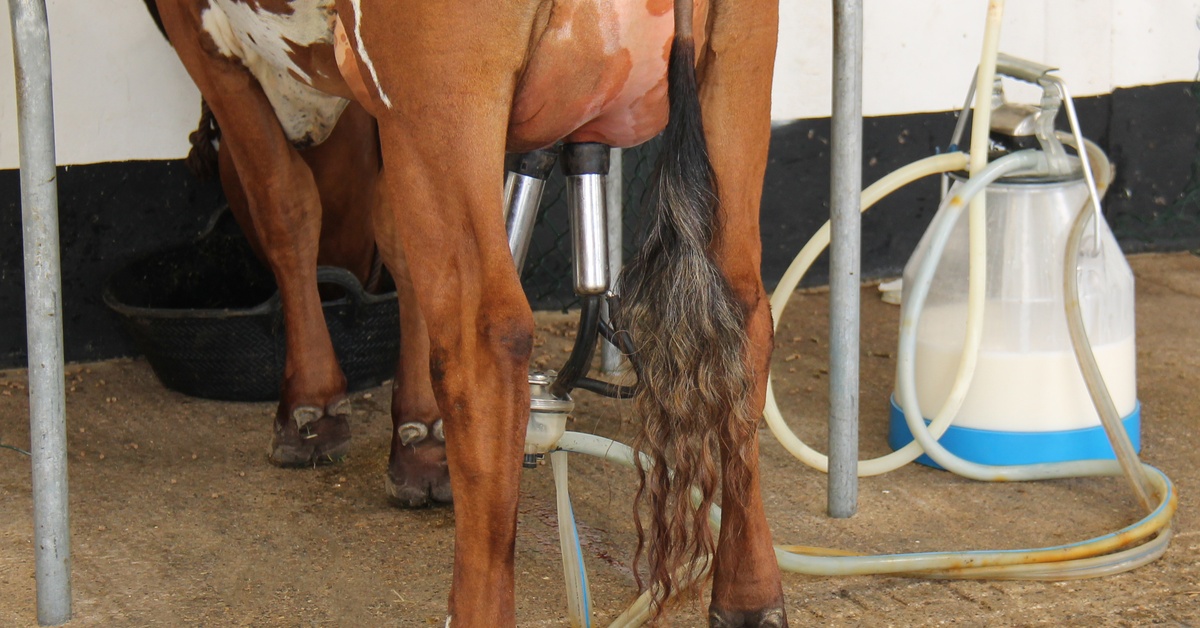
Milk moves from the cluster through the connected hose into the bucket, and then the collected milk is carried or poured to the next storage point. The bucket’s design helps that process by keeping the unit stable, supporting clean hose placement, and making the milk easier to handle once collection ends.
Capacity Affects Rhythm
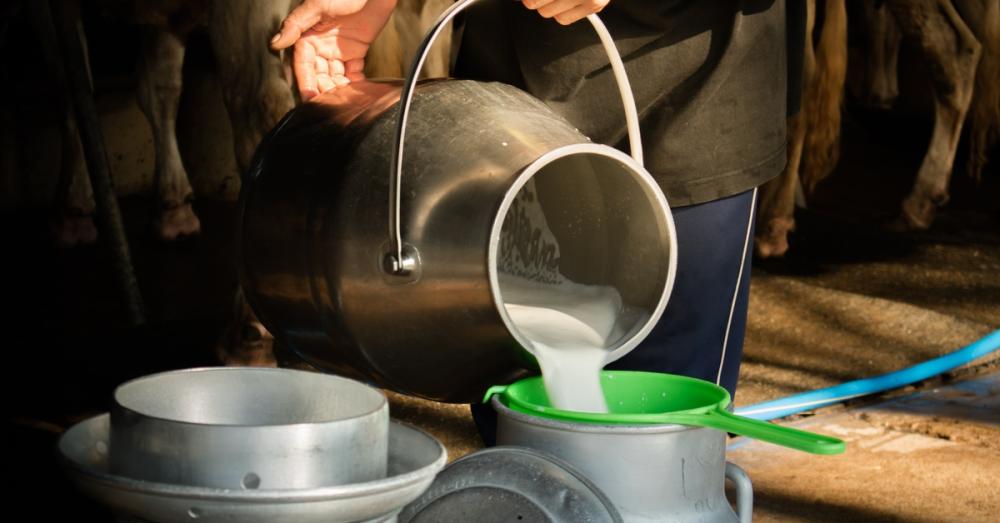
Bucket size influences how the entire milking session unfolds. A smaller bucket may feel lighter and easier to handle, but it requires more frequent emptying. A larger bucket reduces those interruptions, though it becomes heavier as it fills. Finding the right balance depends on the scale of the operation and daily routine.
Choose a milk bucket capacity based on how much milk you collect in a typical session, how many animals you milk at one time, and how far you need to carry the bucket once it fills. The bucket should hold enough milk to keep the process moving without requiring frequent stops, yet still feel manageable when full.
Smooth Interiors Improve Cleaning
Milk leaves behind proteins and fats that need to be washed away. When a bucket has a smooth interior surface, cleanup is easier. The milk residue has a lower chance of sticking to corners, seams, or rough areas, which helps make washing more efficient after each milking session.
That smoother finish also helps cleaning solutions cover the inside more evenly. As a result, the bucket takes less effort to sanitize and fits more smoothly into the daily routine.
Lids, Ports, and Visibility
The lid protects milk during collection while also supporting the hose and vacuum connections that keep the system running properly. Convenient port placement enhances stability, as correctly positioned fittings make hose routing cleaner and the overall arrangement easier to manage.
A more organized setup also makes it easier to see what is happening during collection. When fill levels and connections are easier to check, the operator can stay on top of the process with fewer interruptions.
Common Bucket Ports
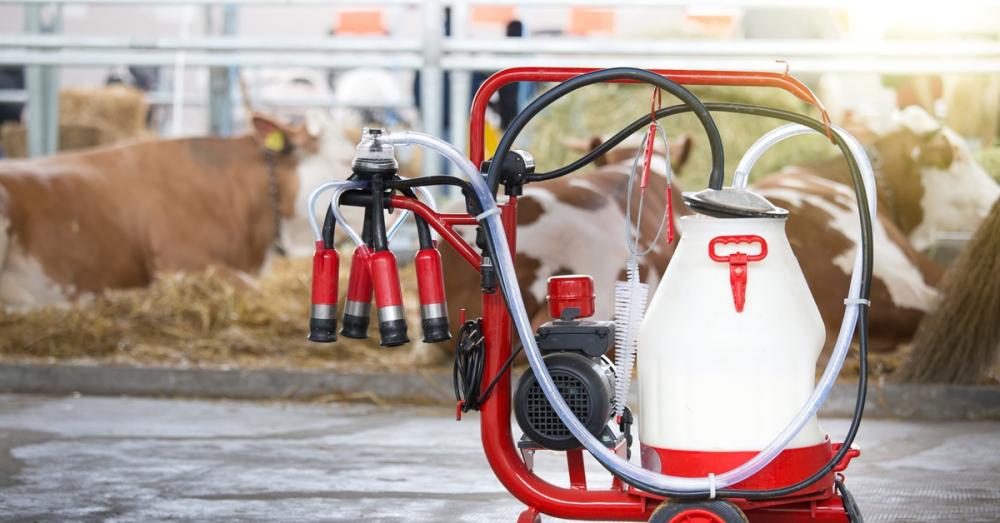
Many milk buckets have a milk inlet port and a vacuum port, and some also include a pulsation port depending on the setup. The milk inlet connects the hose that carries milk from the claw to the bucket, while the vacuum port connects to the line that creates suction in the system. A pulsation port works with the pulsator to create the milking action. These ports work together to collect milk and keep the system operating correctly.
Buckets for Portable Milkers
In portable milking systems, buckets serve as the central collection point that allows the entire system to be moved from one animal to another. Their design supports both mobility and steady operation, which helps keep the milking routine consistent. This makes them especially useful in smaller or more flexible setups.
These buckets balance durability with ease of handling. Features like secure lids, stable bases, and practical fittings maintain performance during use and frequent movement.
Weight Affects Handling
A milk bucket may feel easy to carry when empty, but its weight increases quickly as it fills with milk. That added weight can make lifting, carrying, and pouring more difficult during a milking session. Choosing a manageable size makes handling less tiring.
These features make a portable milking bucket easier to handle:
- Balanced handles reduce awkward wrist angles.
- Secure lid fit prevents spills while moving.
- Stable footing limits tipping during use.
- Sensible bucket size keeps full loads manageable.
- Clean port layout reduces snag points on hoses.
Carrying Should Feel Predictable
Busy milking sessions call for equipment that feels steady in your hands. Wet floors, tight spaces, and repeated lifting can make an awkward bucket harder to manage. A bucket that stays balanced while lifting and pouring supports better control so you can maintain pace and prevent unnecessary strain.
Hose Routing and Stability
Milk needs a clear path through the system to support consistent milk quality and proper sanitation throughout the process. When hoses sit smoothly, the milking routine feels more controlled from start to finish. Twisted hoses, sharp bends, or crowded connections can make the unit feel awkward during use and harder to position correctly. That added strain can slow the process and make the setup less organized.
Milk buckets support better hose routing when their fittings sit in practical positions, and the bucket stays stable during milking. A steady bucket allows hoses to rest more naturally without pulling, shifting, or crossing over each other.
Buckets Without Hose Lids
Some milk buckets use simple lid styles like toggle lids or mushroom lids instead of lids with built-in hose ports. These lids seal the bucket securely but do not support direct hose connections, which makes them better suited for manual transfer setups. They work well in systems where milk is poured rather than collected through a closed line.
Toggle lids use clamps to create a tight seal, while mushroom lids rely on a fitted top that sits securely over the opening. Both styles are straightforward and easy to remove during cleaning or emptying. This simplicity makes them a practical choice for smaller setups or operations that prefer a more hands-on process.
The right milk bucket for your operation should match both your milk volume and your daily workflow. Capacity, weight, hose routing, lid style, and smooth interiors can streamline your operations. Well-designed dairy equipment supports cleaner collection and easier handling. Consider all these features together to choose the right bucket for your setup.