

Posted by Scott Ford on Mar 9th 2026
How To Maximize Efficiency With Milking Filters

You might think that improving your dairy’s efficiency takes major upgrades, yet most gains come from small, repeatable habits in the parlor. For example, you can maximize efficiency with milking filters by tightening up fit, handling, and changeout routines. Reliable filtration improves pacing and makes cleanup easier. It also means your crew spends less time troubleshooting mid-shift.
Filters and Daily Rhythm
A solid filtration setup keeps debris out of the milk stream while supporting steady flow. The best system depends on herd size, equipment, and how you wash and handle parts between milkings.
Herd size affects how much milk moves through your line each shift, which influences the filter type and how frequently you’ll swap it. With larger herds, you typically need a setup that handles higher volume with fewer interruptions, while smaller herds may do better with a simpler filter option that’s easy to change and manage.
Your filter should be compatible with your equipment, since different housings, strainers, and line layouts work best with specific sizes and styles. Finally, washing and handling routines matter because some filter options work better with fast, consistent swaps and clean, dry storage between milkings.
Routine Filter Care
Efficiency improves when your team treats filters like a routine checkpoint, not an afterthought. Swap filters on a consistent schedule that matches your volume and conditions. Moreover, keep the process consistent across shifts so the parlor doesn’t slow down when someone new steps in.
Choose the Right Micron
Micron ratings describe how fine the filtration is, which affects how much material the filter catches and how freely milk moves. Pick a rating that matches your setup so you don’t fight slow flow or messy changeouts. If you need a starting point, lean on supplier guidance that matches your strainer style and typical volume.
Choosing a milk filter comes down to three basics: fit, material, and compatibility with your strainer. A proper fit prevents leaks, messy changeouts, and slowdowns that happen when a filter doesn’t sit correctly. Material matters because it influences strength and how the filter performs during a full milking. Also, pick a filter designed for your strainer style so the parts lock together as they should.

Match Filters to Flow
Milk flow shifts based on herd size, line layout, and the pace you milk each group. A filter that works well in a smaller setup may act differently when you push higher volume through the line. Therefore, judge performance during your busiest stretch, not on a slower day.
After you change a filter, watch how quickly the flow returns to its normal pattern. A slow rebound may indicate a restriction in the filter or its seating. If that happens, stop and reseat the filter, then check the housing and gasket for debris or a poor seal before restarting.
Know Your System Bottlenecks
A bottleneck can show up where the filter sits, where milk turns a corner, or where the housing narrows the pathway. Watch for slowdowns that appear right after you install a new filter type. Additionally, listen for changes in pump sound or line behavior that match those slowdowns. Treat those signals as a cue to reassess fit and flow, rather than pushing through.
Install Without Slowdowns
When parts fit correctly, installation is fast. Additionally, planning your workspace to keep hands clean helps your team work without constantly stopping to wash up.
Place filters, gaskets, and tools where the milker can reach them without leaving the pit or stepping away from the bucket stand. Moreover, keep extra housings or strainers on hand so a stuck component doesn’t stall the routine.
A smooth install starts before the next milking, because the way you clean, dry, and store parts affects how easily everything seats and seals later. Clean and dry the contact points so the filter seats properly and the housing closes without a fight.
Build a Repeatable Changeout
A repeatable changeout looks the same every time: stop flow, open housing, remove, wipe, replace, close, and check. Keep that sequence consistent so muscle memory takes over when the pace spikes. Additionally, train everyone to confirm seals and seating before restarting the flow.
Clean Handling, Clean Milk
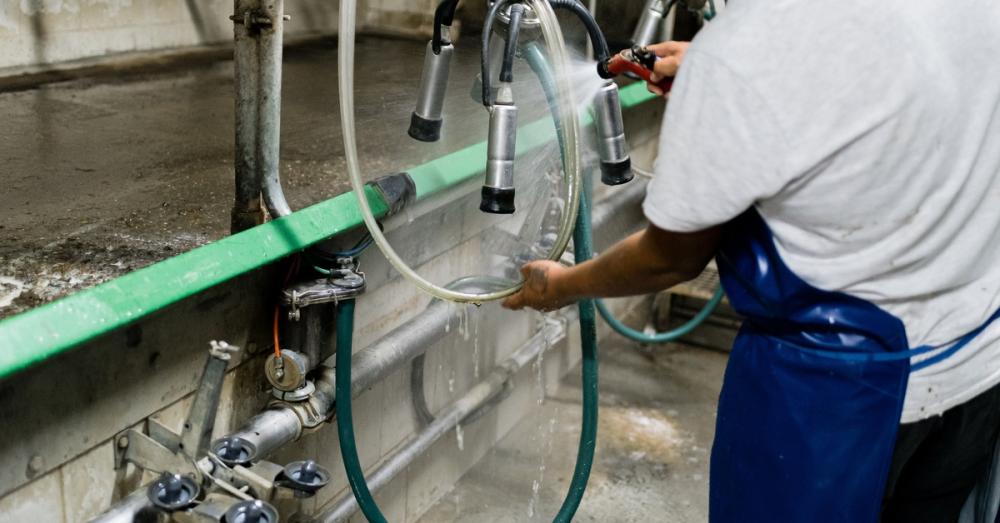
Filter efficiency depends on how cleanly you handle parts before they touch the milk path. Set up a simple routine for clean hands, clean staging, and clean surfaces where filters get installed. Moreover, keep filters off damp ledges or mixed-use counters where splash and dust collect. Put the same handling steps in place every shift so nobody improvises when they feel rushed.
Use this handling checklist to protect cleanliness:
- Wash hands or change gloves before contact.
- Stage filters in a covered, clean bin.
- Keep housings dry before assembly.
- Wipe sealing surfaces before closing.
- Discard any filter that hits the floor.
Troubleshoot Common Filter Issues
When a filter change creates a problem, check the fit, seating, seal condition, and housing cleanliness. Even a slight misalignment can slow the flow or trigger a leak, which adds downtime and extra cleanup.
If problems repeat, change one variable at a time so you know what actually fixed it. Additionally, write down what changed—filter rating, brand, housing, gasket—so you don’t replay the same frustration next week.
Keep Spares Within Reach
Nothing burns time like hunting for the last filter while cows wait. Store a day’s worth of filters close to the parlor, plus a backup stash in a clean, dry spot. Additionally, keep spare gaskets and strainers nearby, since a worn seal increases the chance of leaks and messes. A “ready rack” saves steps and keeps the changeout quick when the pace picks up.
Here’s what a ready rack should include for quick swaps and fewer interruptions:
- Correct filter size for your housing.
- Backup gaskets that match the strainer.
- A clean container for staged filters.
- Gloves or hand towels for clean handling.
- A small light for quick checks.
You can maximize efficiency with milking filters by leaning into repeatable choices: the right fit, the right handling, and a changeout routine your whole team follows. These factors make filtration predictable, so milking stays calm and steady. Moreover, simple improvements like organizing spares and sharpening your changeout routine improve your momentum over the season. With these practices, milk flows smoothly, and you can focus on the work instead of constant fixes.