

Posted by Scott Ford on Mar 8th 2026
Guide to Choosing the Right Milk Hose Length for Your Setup
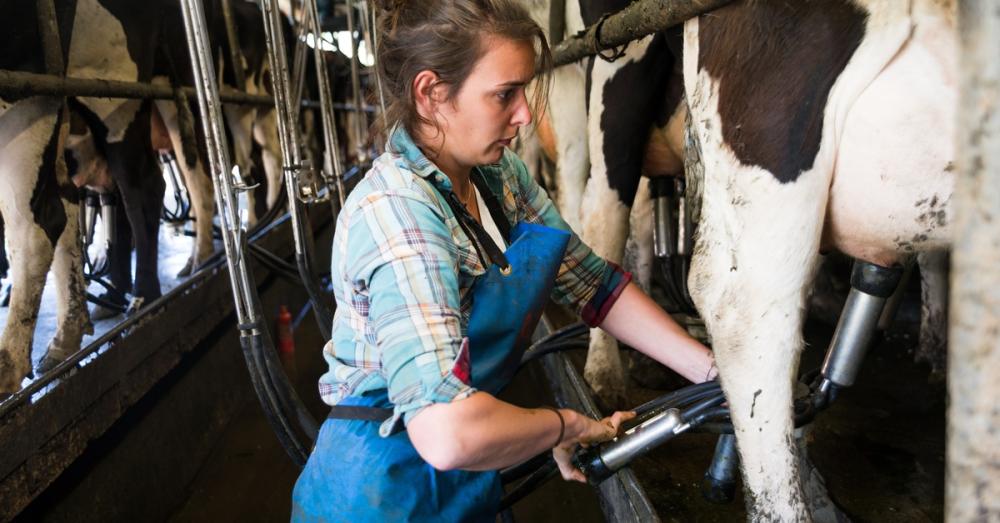
Milk hoses carry milk from the claw and teat cups through the milk line toward your receiver or tank. When you have the right milk hose for your operation, everything runs smoothly, with no tangles, no awkward stretching, and no stopping to fix a twist in the line. Hose length isn’t one-size-fits-all, since every dairy operation has different spacing and angles. In this guide to choosing the right milk hose length for your setup, you’ll learn how to size your hose based on layout, vacuum needs, and workflow.
Measure Your Milking Area
Accurate measurements form the foundation of a well-performing system. Grab a tape measure and follow the exact path the hose will take, including turns and connection points. If you guess or round down, you may end up short and put tension on the line. That constant pull stresses fittings and claws and speeds up wear.
The little things in a barn layout really add distance. Doorways, posts, and stall dividers push the hose path farther than you’d think. So, measure the route the hose will travel, turns and all, rather than eyeballing a straight line.
To avoid common miscalculations, do the following:
- Account for vertical rise or drop in the run.
- Include slack for gentle curves, not sharp bends.
- Double-check connection points at both ends.
- Re-measure before finalizing your order.
Check the Distance to the Receiver
The distance between your milking unit and the receiver jar determines the ideal hose length. Longer distances increase resistance inside the line. Milk still moves efficiently when the vacuum system has enough capacity, but excessive length reduces responsiveness. Keeping the run as direct as possible supports a steady flow.
Shorter lines generally improve milk movement and make wash cycles more effective. However, cutting it too close leaves no flexibility for movement. The right length gives enough reach without creating sagging loops.
Account for Elevation Changes
Slope changes introduce another variable into hose sizing decisions. When milk travels uphill, it requires steady vacuum strength and a smooth route. Downhill runs bring a different concern, since low spots can hold liquid if the line dips.
Elevation also shapes how well your wash cycle works. Wash water must circulate through the entire run without becoming trapped. Therefore, think about how gravity will affect both milking and cleaning before you settle on a final length. A properly sized hose supports consistent milk transfer at every point.
How Slope Affects Flow
Even a small change in elevation can change how the line behaves during milking and wash cycles. Uphill sections place greater demands on your vacuum system, so keep those runs as short and direct as you can. Downhill sections work best when the hose remains continuously sloped rather than dipping and pooling. Route the hose with gentle curves, then add supports or hangers so the line keeps its shape.
Match Vacuum Capacity
Every vacuum system operates within a specific capacity range. Hose length plays directly into how that system performs under load. Longer hoses increase internal volume, which the vacuum pump must handle. Producers should confirm their pump capacity before extending runs.
Consult manufacturer specifications for both pump output and recommended hose diameters. Matching diameter and length keeps airflow steady.
Consider Barn Layout
Barn design influences hose routing in ways that surprise new operators. Tie-stall setups differ from parallel or herringbone parlors. Equipment placement, cow positioning, and operator movement all shape ideal hose length. Therefore, evaluate your daily workflow before finalizing measurements.
Barn layout affects hose length in the following ways:
- Width of aisles and walkways.
- Position of the bulk tank and receiver.
- Number of stalls per side.
- Obstacles such as posts or gates.
- Space available for hose storage.
Balance Flexibility and Slack
Extra hose length might seem convenient at first glance. However, too much slack creates loops that drag or kink. Kinks restrict milk flow and stress the hose walls over time. A clean, slightly relaxed line performs better than one that puddles on the floor.
Of course, you still need enough give in the line to work comfortably. During milking, people move, turn, and reset units repeatedly, so a hose that’s too tight becomes a nuisance. Aim for a length that reaches naturally, then stops short of creating heavy loops.
When Extra Length Helps
In some setups, a little extra hose length makes the routine easier. Portable bucket milkers, for example, may need a bit more reach so you can reposition between animals without tugging on connections. Extra length also helps when you shift equipment placement during seasonal changes or temporary barn adjustments. Keep the extra length minimal so that you gain flexibility without ending up with loops that drag or kink.

Herd Size and Volume
Herd size shapes how much milk moves through your hose each milking, and that volume affects how forgiving your setup feels. As herd numbers climb, throughput demands rise. In that case, the problems of a hose that’s too long or poorly routed become more noticeable.
Smaller homestead operations usually need a hose length that’s easy to handle and simple to move from one spot to another. Larger commercial setups tend to choose hose length with durability and steady flow in mind, since longer sessions and longer runs put more demand on the line. Either way, the best hose length is the one that matches your daily workload and the layout of your system.
Cleaning and Sanitation Needs
Effective cleaning protects milk quality and helps you stay aligned with Grade A expectations. Longer hoses add more interior surface for milk film to cling to, so your wash cycle has more to cover. If you add length “just in case,” you also add more places that need full circulation and rinsing. Choose the shortest length that still gives comfortable reach, then confirm your wash routine covers the full run.
Drainage matters just as much as wash coverage, and extra length makes sagging more likely. When the line dips, low spots hold moisture and residue, which slows drying between milkings. Route the hose with gentle slopes and use supports or hangers so it doesn’t droop.
Worker Handling and Comfort
The right hose length makes work easier. A hose that is too long feels heavier, gets in the way, and tires the crew. That extra effort adds up over the course of a full shift.
The right hose length supports claw milking machines and keeps them comfortable to manage throughout the session. The claw gathers milk from the teat cups and sends it through the line. If the hose pulls on the claw, the unit can tilt or twist while you work. When the hose fits correctly, the entire unit stays balanced and easier to manage.
As this guide shows, choosing the right milk hose length makes your dairy setup more efficient, comfortable, and easy to maintain. Measure the full working route, then choose the shortest length that still gives you relaxed, natural handling. After a few milkings, check for sagging or low spots and adjust your routing or supports to keep the line clean and draining well.