
Posted by Scott Ford on Mar 1st 2026
Key Features To Look For in Modern Milking Systems
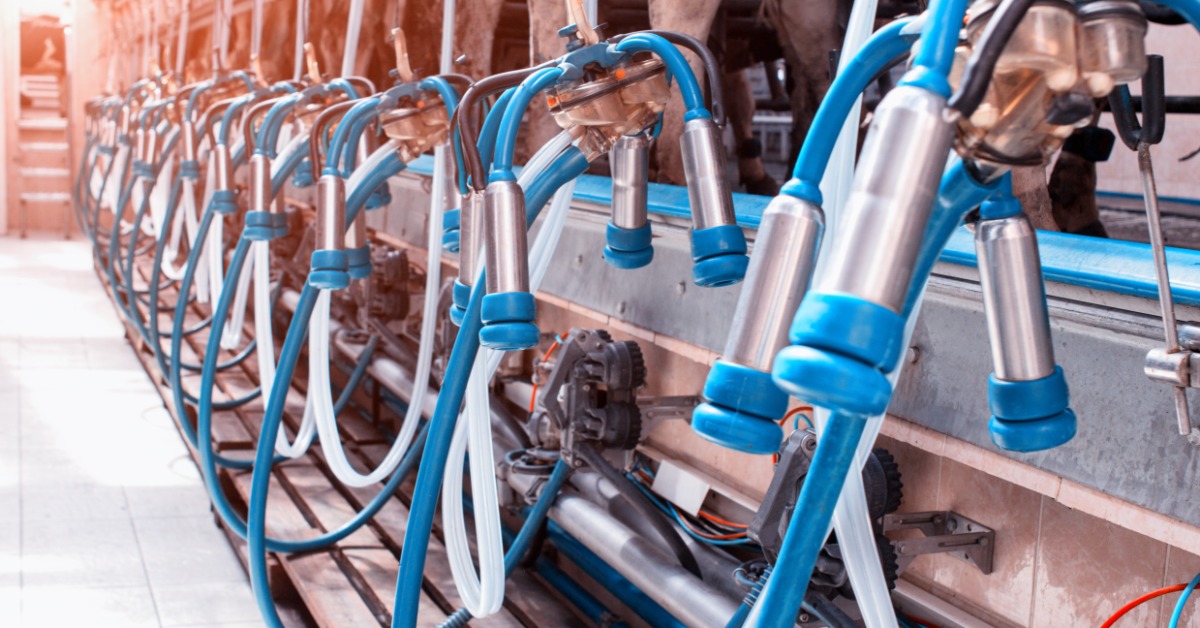
Milking systems feature data monitoring, automated cleaning, and other innovations that streamline the process. These advancements have reshaped dairy farming, making it easier to maintain herd health and achieve high-quality milk production. They also help reduce labor demands, allowing farmers to focus on other aspects of herd management. If you’re ready to improve efficiency in your dairy operations, here are the key features to look for in modern milking systems.
Advanced Pulsation System Technology
A reliable and efficient pulsation system is at the core of any modern milking machine. The pulsation settings affect milking speed and udder health. These systems work by imitating the natural suckling of a calf, using a cycle of vacuum and air to gently massage the teat. A properly calibrated pulsator ensures a complete milk-out, lowering the chances of mastitis and keeping cows comfortable during milking.
Look for systems with sturdy, electronically controlled pulsators that deliver accurate and consistent rates and ratios. This kind of control lets you adjust settings to match your herd’s needs and lactation stages. To keep things running smoothly, it’s important to regularly maintain the system and replace worn parts as needed.
Automatic Cluster Removal Systems
Automatic cluster removers (ACRs) automatically detach the milking cluster from the cow once milk flow drops below a predetermined threshold. This prevents over-milking, which is a primary cause of teat irritation and hyperkeratosis. Detaching the milking cluster at the right time protects cows from infection.
Additionally, ACRs free up labor in the milking parlor, allowing operators to focus on other critical tasks, including pre-milking udder preparation and post-milking care. Therefore, this technology contributes to a calmer, more consistent milking routine for both the animals and the staff. The result is improved udder health across the herd and more efficient use of your valuable time.
Integrated Milk Yield Monitoring
Data is one of the most powerful tools available to a modern dairy farmer, and integrated milk yield monitors provide invaluable insights. Sensors record each cow’s milk output at every milking, creating a detailed production history. This information supports early detection of health issues, as a sudden drop in yield is one of the first signs of illness.
Moreover, tracking individual production enables more effective herd management decisions. You can identify your highest and lowest-producing animals, optimize feeding strategies, and make more informed culling choices. Access to this data transforms your milking system from a simple extraction tool into a sophisticated management resource.
Variable Speed Vacuum Pumps
Energy efficiency is a major consideration for any farm, and variable speed drive (VSD) vacuum pumps are a key feature that offers substantial operational savings. Unlike traditional pumps that run at a constant high speed, VSD pumps in modern milking systems adjust their output to match real-time vacuum demand. This means the pump works only as hard as necessary, reducing electricity consumption by 50 percent or more.
In addition to saving money, this technology creates a quieter, less stressful environment in the milking parlor. The reduced wear and tear on the pump motor also extends its lifespan and lowers maintenance requirements.
High-Quality Milk Liners
Milk liners are the only part of the milking system that comes into direct contact with the cow. Proper liners can improve milk-out speed and decrease the incidence of mastitis. They must be made from material that is both gentle on teat tissue and durable enough to withstand daily use and cleaning chemicals. A proper fit is also critical for cow comfort and reliable milking.
Here are some key liner characteristics to consider:
- Material composition: Choose between silicone for longevity or high-grade rubber for performance.
- Barrel shape: Options include round, square, or triangular designs to match teat anatomy.
- Mouthpiece design: A well-designed mouthpiece creates a comfortable seal without constricting the teat.
- Wall thickness: Thicker walls provide durability and consistent collapse action, while thinner walls offer gentler milking for sensitive teats.
- Replacement interval: Adhering to replacement schedules prevents material degradation and bacterial buildup.
Efficient and Effective CIP Systems
A clean-in-place (CIP) system supports the production of high-quality milk and maintains food safety standards. Modern systems automate the washing and sanitizing process, circulating detergents and rinses through all milk-contact surfaces at the correct temperature and concentration. This automated process provides a more consistent and thorough cleaning than manual methods.
Look for a CIP system that offers programmable wash cycles to suit different operational needs and water-saving features. Efficient water heaters and precise chemical injectors reduce the consumption of energy, water, and detergents, lowering your daily operating costs. The CIP system ensures proper cleaning, which is key to keeping bacteria levels low and earning higher milk quality premiums.
Durable System Components
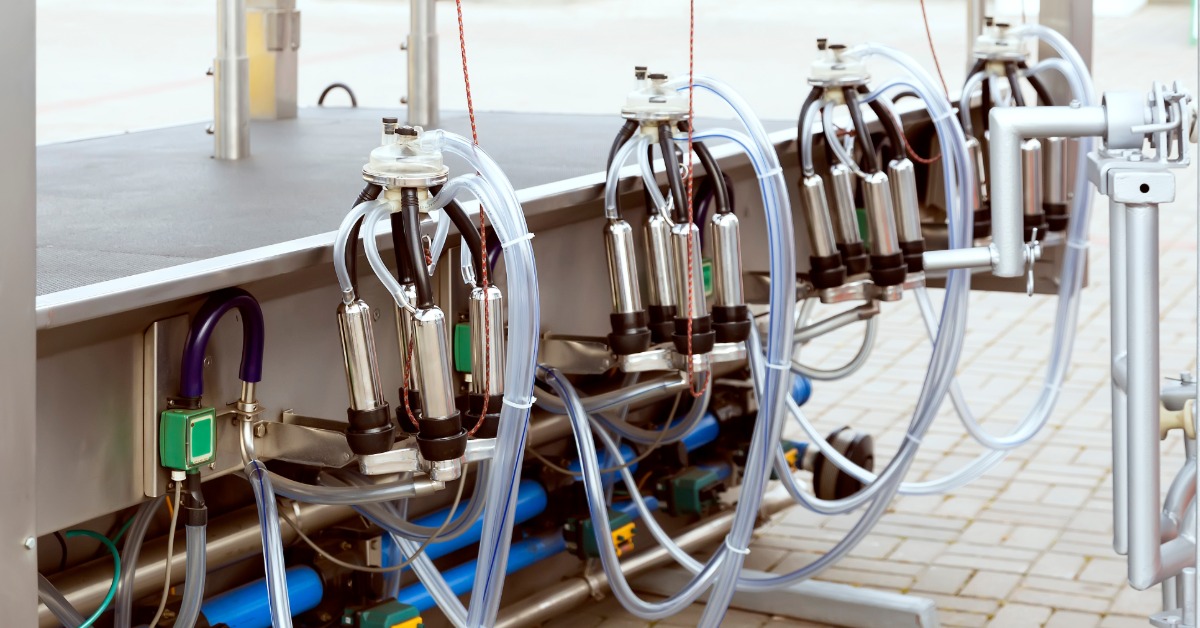
The longevity and reliability of a milking system depend on the quality of its individual components. Stainless steel is the preferred material for pipelines, receivers, and other parts due to its corrosion resistance and ease of cleaning. All parts must withstand the demanding environment of a dairy, including exposure to moisture, cleaning chemicals, and daily physical wear.
Having a reliable source for replacement milking machine parts is crucial for minimizing downtime. The failure of a single component can halt your entire operation, so it’s a good idea to have spare gaskets, hoses, and pulsators on hand.
Automatic Teat Spray Systems
Teat disinfection prevents bacteria from entering the teat canal, reducing the risk of mastitis, a common and costly infection in dairy herds. Cows can get infected through environmental exposure, contaminated equipment, or during milking if proper hygiene isn’t maintained. Teat sprays create a protective barrier by applying disinfectant that kills harmful bacteria.
Automatic teat spray systems, installed at the exit of the milking parlor, apply a uniform coating of disinfectant to every cow’s teats as they leave. These systems reduce labor, improve disinfectant coverage, and improve overall udder health across the herd.
Choosing a new milking system is a long-term investment that shapes the productivity and health of your dairy for years to come. By prioritizing features like advanced pulsation, automatic cluster removal, integrated data monitoring, and efficient cleaning systems, you set your operation up for success. These technologies work together to create an efficient system that promotes cow comfort and milk quality.