
Posted by Scott Ford on Mar 1st 2026
Effective Milk Cooling Practices for Dairy Farmers
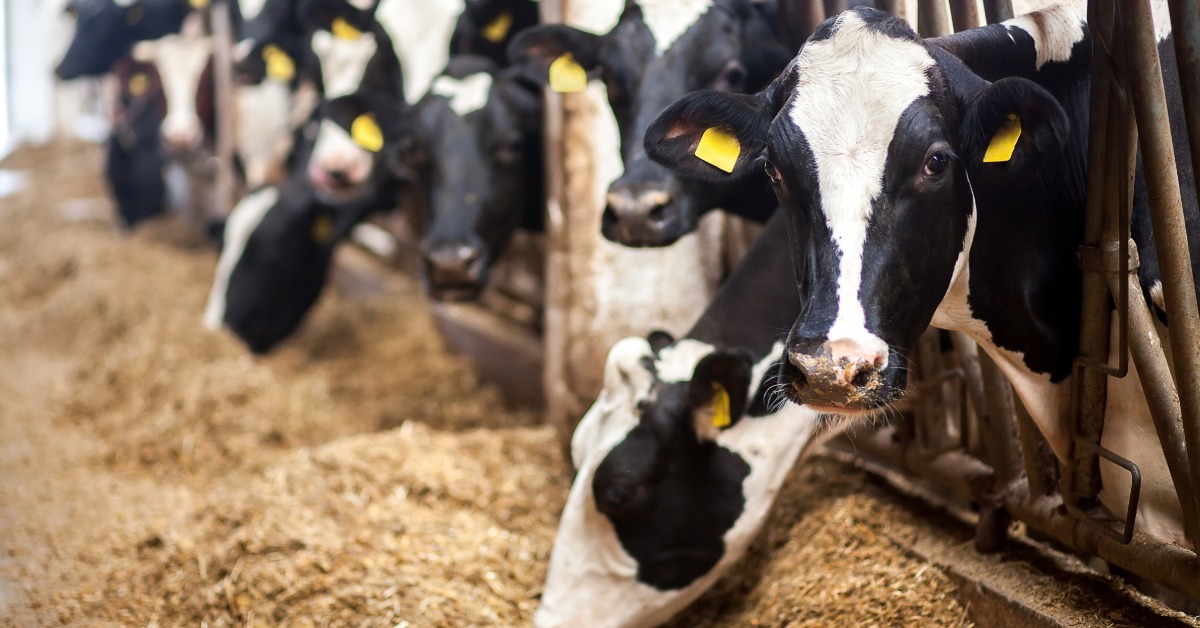
Milk quality begins the moment it leaves the cow. No matter how strong your genetics, feed program, or milking routine may be, improper cooling can undo that hard work in a matter of hours. Effective milk cooling practices do more than meet regulatory standards; they protect product integrity, maximize shelf life, and safeguard profitability. When cooling happens quickly and consistently, it preserves flavor, reduces bacterial growth, and supports long-term herd and business health.
In today’s dairy environment, where margins are tight and buyers expect consistency, understanding and refining your cooling process matters more than ever. Milk cooling is not just a technical step in production. It is a critical control point that directly influences income, reputation, and operational efficiency. Continue reading to explore effective milk cooling practices for dairy farmers.
Why Rapid Milk Cooling Matters
Fresh milk exits the cow at approximately 101°F, a temperature that allows bacteria to multiply rapidly. If cooling is delayed, bacterial counts can double in as little as 20 minutes. That growth impacts taste, shelf life, and safety, often leading to quality penalties or rejected loads at the processor.
Rapid cooling slows bacterial activity almost immediately. Industry standards emphasize reducing milk temperature to 40°F or lower as quickly as possible and holding it there until pickup. When dairy farmers prioritize both speed and consistency, they protect milk quality and demonstrate reliability to processors and buyers.
The Role of the Milk Cooling Tank
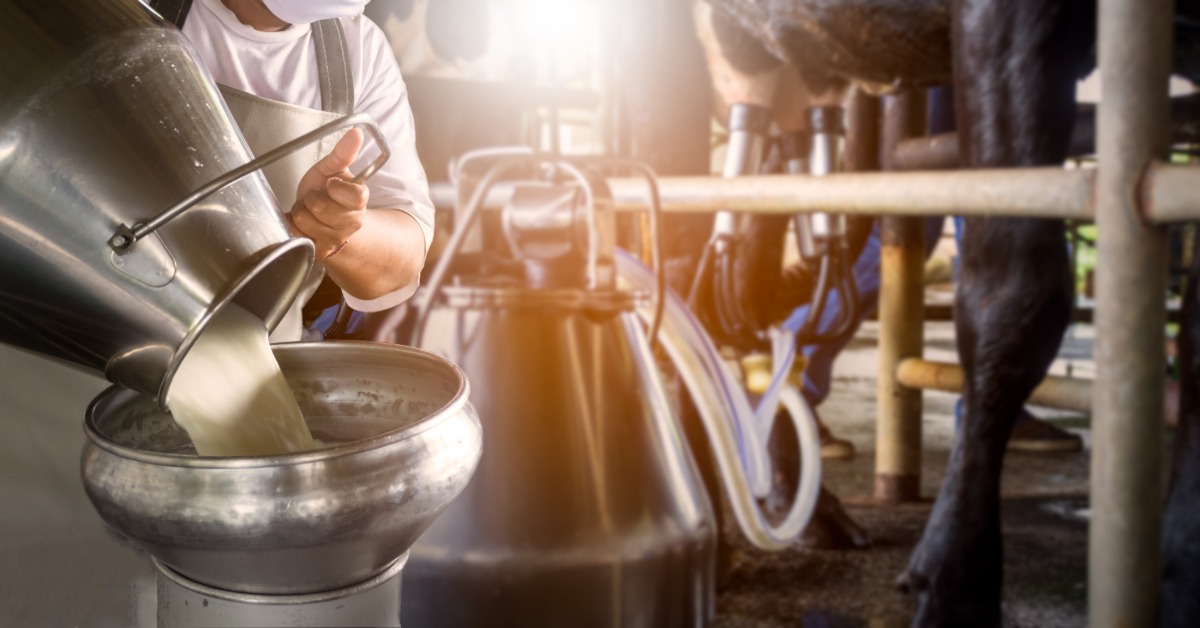
At the center of an effective cooling system sits the milk cooling tank. This equipment does far more than store milk; it actively manages temperature reduction, agitation, and sanitation. A well-designed tank cools milk evenly and efficiently, preventing warm pockets where bacteria can thrive.
Selecting the correct tank size is essential. A tank that is too small struggles to cool incoming milk fast enough, especially during peak production. A tank that is too large may short-cycle, reducing efficiency and increasing wear on components. Matching tank capacity to herd size, milking frequency, and expansion plans ensures consistent cooling performance and long-term value.
Pre-Cooling as a First Line of Defense
Many dairy operations improve cooling efficiency by incorporating pre-cooling systems before milk enters the bulk tank. Plate coolers and tube coolers use cold water to remove heat immediately after milking. This step can reduce milk temperature by 20 degrees or more before it reaches the milk cooling tank.
Pre-cooling delivers multiple benefits. It shortens overall cooling time, reduces the workload on refrigeration systems, and lowers energy consumption. In addition, the warmed water from pre-cooling can often be reused for livestock or cleaning, improving overall resource efficiency on the farm.
Consistent Temperature Control Throughout Storage
Cooling milk quickly is only part of the equation. Maintaining a stable temperature throughout storage is equally important. Temperature fluctuations allow bacteria to resume growth and place added strain on refrigeration equipment.
Reliable thermostats, accurate sensors, and proper agitation help maintain uniform temperatures throughout the tank. Regular agitation prevents cream separation and eliminates hot spots, ensuring that every gallon of milk remains at the proper temperature. Periodic calibration of temperature sensors helps confirm that readings reflect actual milk temperature rather than air or surface measurements.
Cleanliness Supports Cooling Efficiency
Clean equipment cools more effectively. Residue buildup on tank walls, cooling plates, or evaporators acts as insulation, slowing heat transfer and extending cooling times. Thorough cleaning after every pickup protects both sanitation and system performance.
Automated wash systems offer consistency, but they still require routine inspection. Spray balls, gaskets, valves, and outlet ports deserve close attention, as buildup in these areas can compromise cleanliness and cooling efficiency. A clean milk cooling tank performs better, lasts longer, and supports higher-quality milk.
Monitoring, Logging, and Accountability
Consistent monitoring turns milk cooling from a routine task into a managed process. Recording temperatures after milking, during storage, and before pickup helps identify trends before they become problems. These records also support regulatory compliance and provide documentation in the event of quality disputes.
Modern monitoring systems offer real-time alerts when temperatures move outside acceptable ranges. Whether using digital tools or manual logs, reliable tracking gives farmers confidence that cooling standards remain intact around the clock.
Equipment Maintenance and Preventive Care
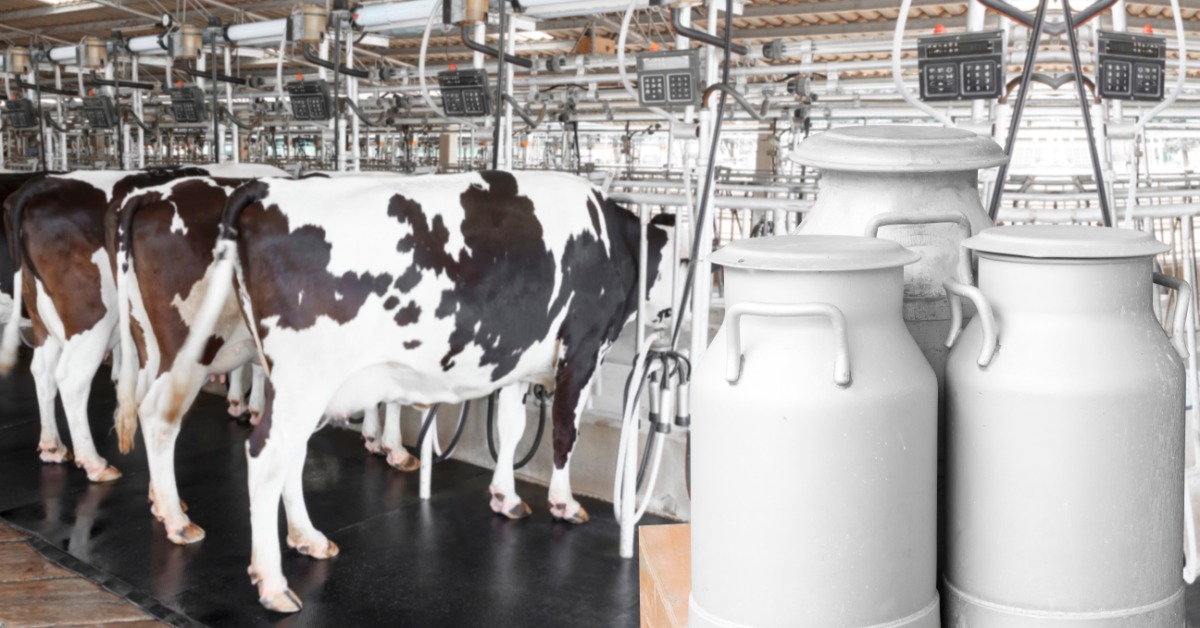
Cooling systems work hardest during peak production, making preventive maintenance essential. Condensers, compressors, fans, and refrigerant lines all require regular inspection to maintain efficiency. Dust, debris, and restricted airflow reduce cooling capacity and increase energy use.
Scheduled maintenance helps prevent breakdowns that can jeopardize an entire tank of milk. Addressing minor issues early often avoids costly emergency repairs, lost product, and unplanned downtime during critical milking periods.
Balancing Energy Efficiency and Performance
Effective milk cooling does not require excessive energy consumption. Energy-efficient compressors, well-insulated tanks, and properly maintained components all contribute to lower operating costs. Strategic milking schedules, particularly in warmer climates, can further reduce system strain by aligning cooling loads with cooler ambient temperatures.
Farmers who focus on efficiency without sacrificing performance often redirect energy savings into facility improvements, herd health initiatives, or equipment upgrades that strengthen the entire operation.
Training and Team Awareness
Even the best equipment cannot compensate for inconsistent practices. Everyone involved in milking and cooling should understand why timing, cleanliness, and monitoring matter. Clear protocols reduce errors and ensure consistent performance regardless of staffing changes.
Regular training reinforces best practices and keeps teams aligned with evolving standards. When everyone understands their role in protecting milk quality, accountability improves, and problems decrease.
Cooling as a Long-Term Investment
Milk cooling is not simply a regulatory requirement; it is a long-term investment in dairy success. Reliable equipment, disciplined maintenance, and consistent procedures protect product quality, strengthen processor relationships, and reduce costly losses. Over time, these benefits compound into measurable financial and operational gains.
A Smarter Approach to Milk Quality
Effective milk cooling practices begin with understanding the science and end with consistent execution. From pre-cooling strategies to maintaining a dependable milk cooling tank, every step plays a role in preserving quality from cow to processor. For ranchers and dairy farmers committed to excellence, refining the cooling process represents one of the most impactful improvements an operation can make. When cooling works as it should, it quietly supports everything else you do, allowing your milk and your business to reach their full potential.