
Posted by Scott Ford on Mar 1st 2026
All About the Types of Milking Systems in Dairy Farming
Every dairy farm runs on rhythm—feed, milk, clean, repeat. Equipment plays a central role in keeping that rhythm steady and productive. As herds grow and technology advances, milking systems have evolved to match new demands.
Small producers may prioritize flexibility and manageable costs. Larger operations may focus on speed and data tracking. Learn all about the types of milking systems in dairy farming so you can make the right choice for your animals and operations.
Understanding Modern Milking Systems
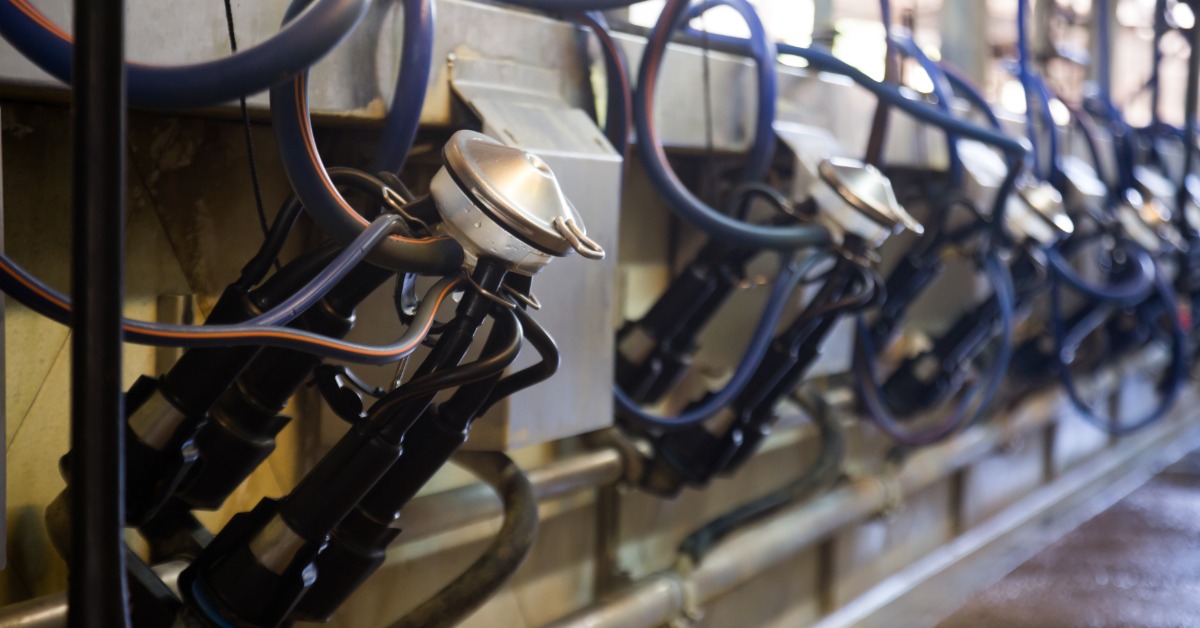
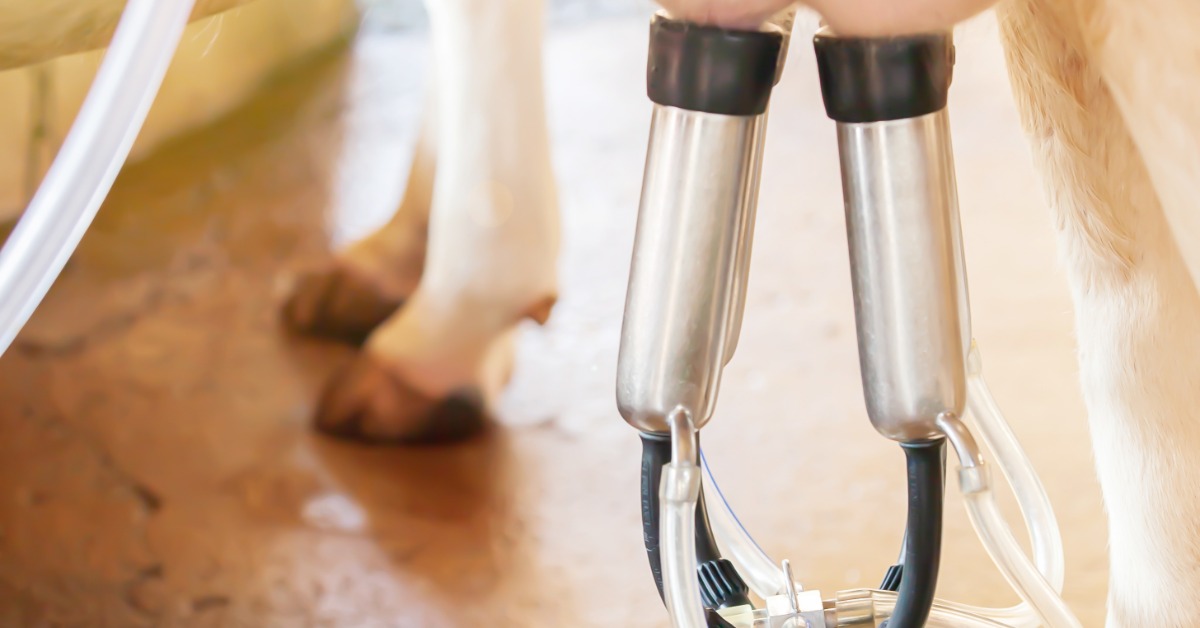
Modern milking systems rely on vacuum pressure, steady pulsation, and sanitary tubing to harvest milk in a clean, efficient way. The claw attaches the inflations to the teat, allowing milk to move smoothly through hoses into a bucket or pipeline. Because milk travels through multiple components, cleanability and routine maintenance directly affect udder health and overall quality. Choosing the right setup, therefore, requires a careful look at herd size, labor availability, and barn layout.
Equipment choices shape daily routines, from pre-dipping to post-milking wash cycles. A thoughtful system reduces physical strain and keeps cows comfortable throughout the process.
Bucket Milking Systems
Bucket milking systems collect milk straight into a portable stainless-steel or food-grade high-density polyethylene (HDPE) container. After a farmer attaches the milking unit to the cow, milk flows into the sealed bucket. In a standard bucket milking system, a dairy worker manually carries or pours the milk from the sealed bucket into the bulk tank for cooling.
Because the system stays compact and mobile, this works especially well in smaller barn setups. Cleanup remains manageable when operators stick to consistent wash routines after each milking.
Bucket Systems for Small Herds
Homesteaders and small dairy operations value bucket systems for their practical size and straightforward operation. Units move easily from stall to stall, making them a smart choice in tie-stall barns. The upfront costs of bucket systems are usually lower than those for permanent pipeline or parlor installations. That affordability gives new producers flexibility as they build experience and grow their herds.
Pipeline Milking Systems
Pipeline systems transport milk through fixed stainless-steel lines mounted above stalls or along parlor walls, creating a continuous flow from cow to tank. Once milk leaves the claw, it moves through the pipeline to a receiver jar before entering the bulk tank.
Since the system handles milk transfer automatically, farmers avoid lifting and hauling heavy containers. That streamlined process supports smoother operations on medium- to large-sized farms.
How Milk Travels
In pipeline milking systems, a vacuum pump provides steady suction that guides milk through sealed sanitary lines. The receiver jar temporarily collects milk and regulates flow before it enters the cooling tank. Proper pipeline slope and drainage make post-milking wash cycles more effective.
Parlor Milking Systems
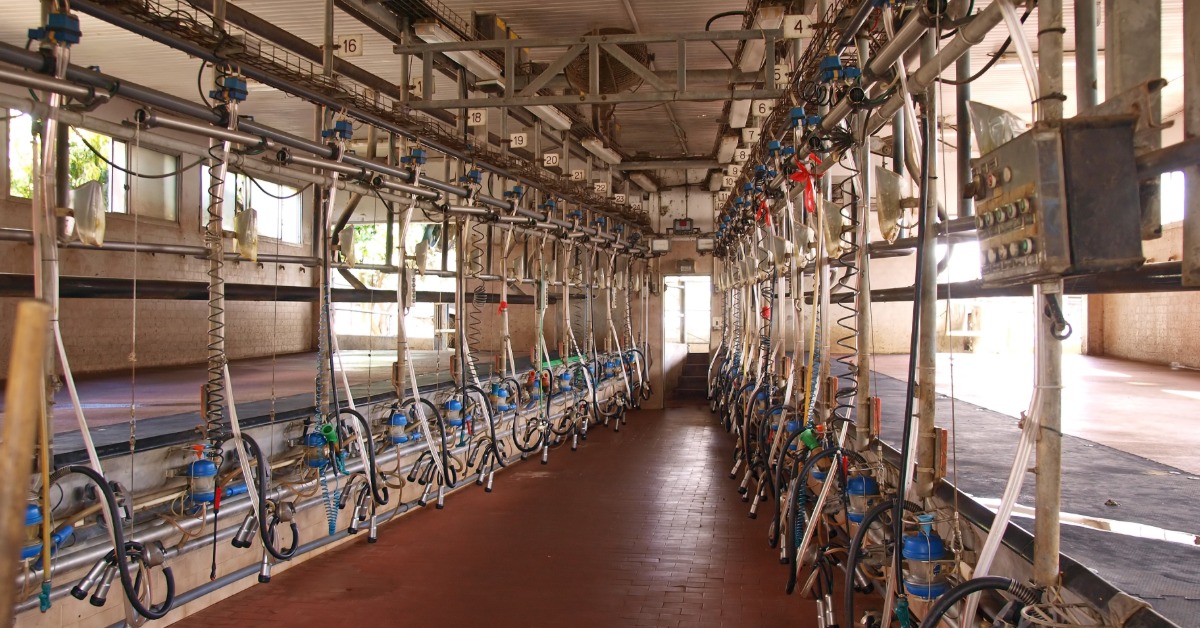
Parlor systems move milking into a centralized space where cows enter in organized groups. Farmers stand in a recessed pit below cow level, allowing them to maintain a more natural upright posture and attach units more efficiently. The parlor milking structure supports larger herd sizes while maintaining consistent cow traffic patterns. It also creates an efficient setting for workers to observe animals during each session.
Several parlor configurations exist, each serving different herd sizes and barn layouts:
- Herringbone parlors position cows at an angle for efficient access.
- Parallel parlors line cows up side by side for fast throughput.
- Rotary parlors move cows on a circular platform.
- Walk-through parlors allow quick exit after milking.
Each configuration influences workflow, labor distribution, and building requirements. Producers weigh these operational differences carefully before committing to a specific layout.
Portable Milking Solutions
Some farms benefit from equipment that moves easily between animals or even separate locations. Portable milkers answer that need by combining a vacuum source, claw, inflations, and collection container into one compact unit.
Because the system remains self-contained, setup requires minimal adjustments. Simple setup and straightforward operation make portable milkers among the most versatile milking systems in dairy farming. Small barns, show strings, and farms milking a limited number of cows or goats frequently rely on portable milkers.
Even with added mobility, sanitation and performance stay front and center. Operators follow the same teat preparation and post-milking cleaning steps used in larger installations. That consistency supports strong milk quality standards across herd sizes.
Choosing the Right System
Selecting a milking system requires more than lining up price estimates. Careful evaluation of operational needs, facility design, and long-term goals helps farms avoid disruptive upgrades later.
When evaluating options, farmers typically consider these core factors:
- Herd size and projected growth.
- Available labor and daily schedule.
- Barn design and available space.
- Budget for equipment and installation.
- Cleaning requirements and water access.
Each consideration influences how naturally a system fits into daily operations. A detailed plan creates a foundation for steady, sustainable growth.
Milking System Components and Care
Milking systems depend on a coordinated set of parts, including the claw assembly, inflations, vacuum pump, pulsators, and sanitary tubing. Inflations compress and release thousands of times during each milking cycle, which means they must be replaced at regular intervals to maintain proper teat health. Vacuum pumps need oil checks and airflow monitoring, while pulsators should cycle evenly without hesitation or irregular timing.
Tubing and gaskets endure heat from wash cycles and chemical exposure from detergents. Farmers should look for discoloration, stiffness, milk residue buildup, or small cracks that signal it’s time for replacement. Consistent inspections during cleaning routines make it easier to spot issues before they affect milk quality.
Pro Tip: Stock Wear-and-Tear Items
Store extra inflations, air hoses, milk hoses, claw gaskets, and vacuum pump oil in your supply area. These components experience predictable wear and require replacement on a schedule. Keeping them on hand reduces service delays and helps maintain steady milking routines.
Milk Cooling and Storage
Milking represents just one phase of the overall process, and rapid cooling preserves freshness immediately afterward. Bulk tanks lower milk temperature quickly to meet regulatory benchmarks and maintain quality. Internal agitators in the tank circulate the milk to maintain consistent temperatures.
Storage performance connects directly to how well the milking system integrates with the cooling setup. Milk must transfer efficiently from the bucket or pipeline into the tank without delay. That coordination plays an important role during system selection.
The types of milking systems in dairy farming range from simple, portable units to advanced parlor and pipeline configurations. Each option influences cow comfort, labor efficiency, and how milk moves from stall to storage. Understanding your equipment’s core components and maintaining them protects both milk quality and equipment performance. Review your current setup and goals to determine whether it’s time to upgrade, expand, or fine-tune your equipment.