
Posted by Scott Ford on Mar 1st 2026
The Evolution of Portable Milkers in Dairy Operations
Dairy farming has come a long way from the days of hand-milking cows in wooden barns. Technology plays a huge role in making the process faster, easier, and more efficient. milking systems, which bring flexibility and convenience to farms of all sizes. The evolution of portable milkers in dairy operations has brought greater flexibility and convenience to farms of all sizes. See how simple mechanical aids grew into the sophisticated equipment that modern dairy farmers depend on.
Early Mechanical Milking Innovations
The concept of mechanical milking emerged in the 19th century as farmers sought alternatives to the labor-intensive process of hand-milking. Early devices were rudimentary, employing methods like inserting tubes into the teat canal, which proved harmful to the animals. Consequently, inventors shifted their focus toward vacuum-based systems that could more closely mimic the natural sucking motion of a calf.
These initial vacuum machines, though groundbreaking, were often bulky, stationary, and inconsistent in their application. They required a centralized power source and complex piping, limiting their use to larger, more established dairy operations. Nevertheless, these pioneering efforts laid the essential groundwork for the more mobile and efficient systems that would follow.
The Hygienic Glove Milker
Anna Baldwin’s Hygienic Glove Milker, patented in 1879, was a significant step forward in mechanical milking. It used a system of rubber tubing and a hand pump to extract milk, which was more hygienic than earlier methods that involved direct contact with the cow’s teat. However, its constant suction could harm a cow’s teat by causing irritation, swelling, and tissue damage.
The First Pulsators
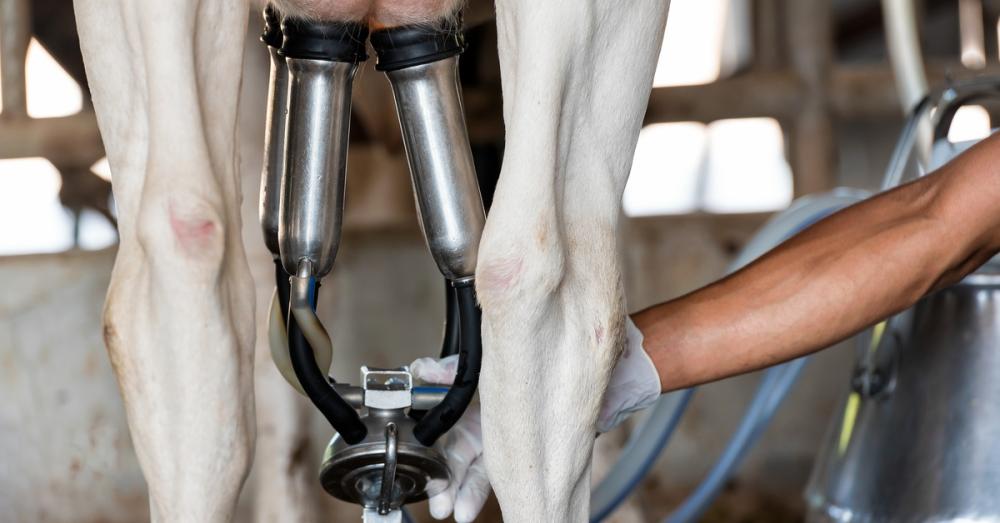
Pulsation is important in milking because it mimics a calf’s natural nursing rhythm, allowing the teat to rest between cycles. This prevents irritation and promotes better udder health while ensuring efficient milk flow. In milking machines, pulsators create the alternating vacuum and atmospheric pressure that extracts milk.
Early pulsators were often mechanically driven and prone to inconsistencies that could affect teat health. The Thistle Vacuum Milker, invented in 1895, was an early attempt at mechanical milking that included a pulsator to alternate suction and rest phases.
Advancements in Pulsation Technology
The transition to more reliable pneumatic and later electronic pulsators marked a critical advancement in milking technology. Modern pulsators offer precise control over pulsation rates and ratios, which is vital for maintaining cow comfort and udder health. This precision helps prevent issues like teat-end damage and reduces the risk of mastitis. Therefore, improvements in pulsation technology have directly contributed to better animal welfare and higher milk quality.
Understanding Pulsator Ratios
The pulsator ratio refers to the proportion of time the liner is open (milking phase) versus closed (rest phase). For example, a 60:40 ratio means the vacuum is applied for 60 percent of the cycle, and the teat rests for the remaining 40 percent. Factors such as cow breed, udder health, and milk flow rate can influence the ideal pulsator ratio. Adjust the ratio to suit these variables to ensure efficient milking and minimize stress on the cow.
Bucket Milking Systems
A bucket milking system is a portable setup that collects milk directly into a sealed bucket during milking. It typically includes a vacuum pump, pulsator, and milking claw, making it compact and easy to move between cows. This system is ideal for small-scale farms or situations where a full milking parlor isn’t practical.
The Surge Bucket Milker, invented by Herbert McCornack in 1922, revolutionized dairy farming with its innovative design. Unlike earlier systems, it used a suspended bucket that moved naturally with the cow’s movements, reducing stress and improving comfort.
Portable milking systems offered several advantages that transformed dairy farming practices:
- They make mechanical milking accessible to smaller farms without the need for costly parlor infrastructure.
- Farmers can milk cows in various locations, such as pastures or individual stalls, for added convenience.
- Moving the equipment directly to the animal reduces stress on the herd and promotes a calmer milking environment.
- These systems streamline daily workflows, saving time and effort for farmers.
- With improved efficiency, farmers can manage larger herds with less labor, boosting productivity.
Integration of Better Materials
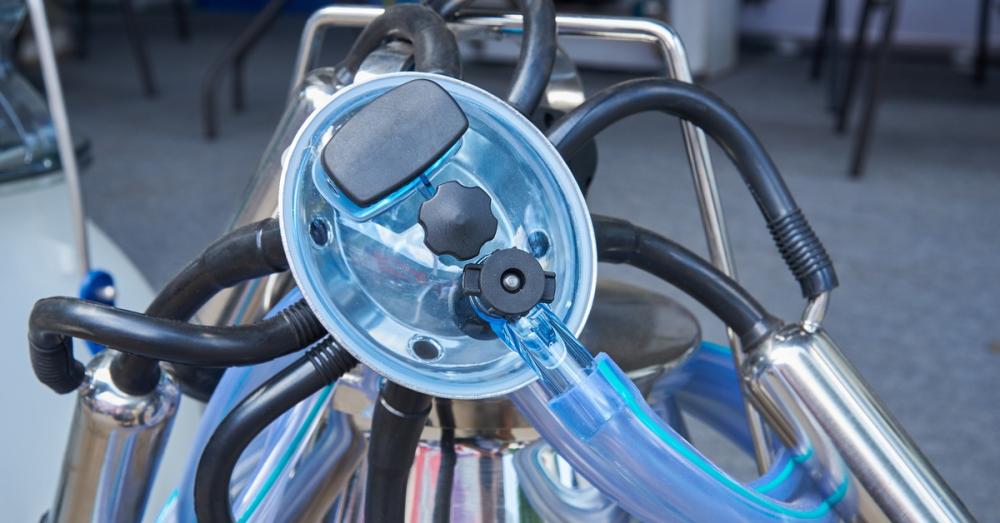
The materials used to construct milking equipment have evolved, with a strong emphasis on hygiene and durability. Early machines used materials like tin or galvanized steel, which were difficult to clean and susceptible to corrosion. The introduction of stainless steel revolutionized the industry by providing a non-porous, corrosion-resistant surface that is easy to sanitize.
Additionally, improvements in rubber and silicone have led to the development of better liners and tubing. These modern materials are gentler on teats, last longer, and resist bacterial buildup. The shift toward higher-quality materials has enhanced both the safety and longevity of milking equipment.
The Modern Portable Milking Unit
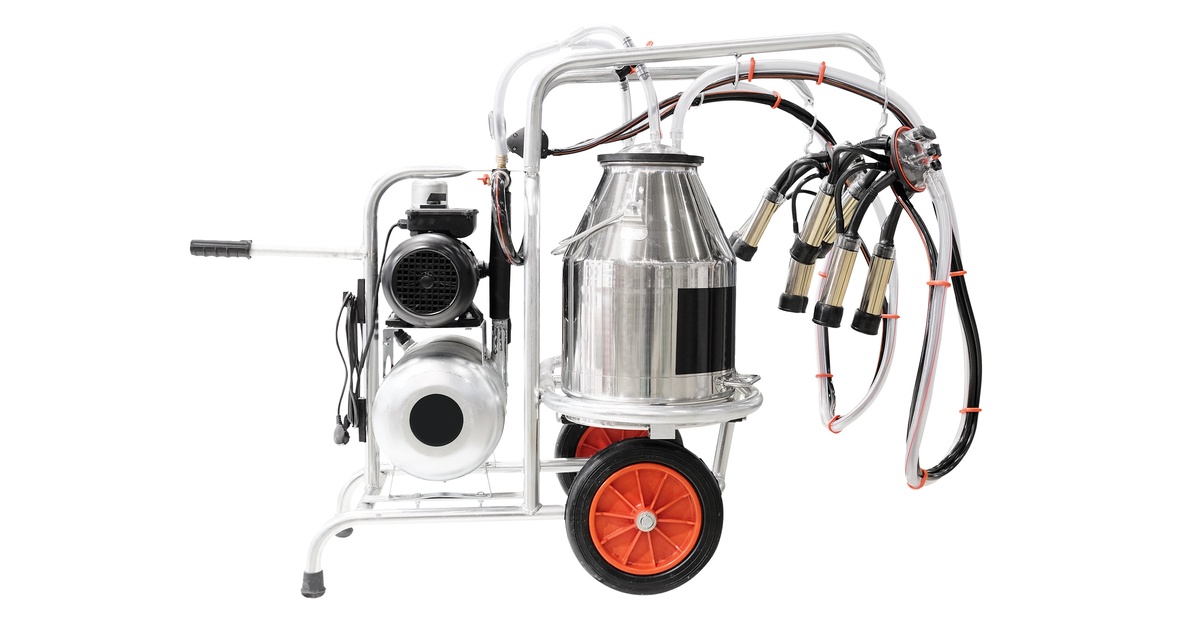
Today’s portable milkers combine decades of innovation into compact, powerful, and user-friendly systems. They feature efficient vacuum pumps, reliable electronic pulsators, and components made from hygienic, durable materials. A contemporary portable cow milking machine is a self-contained unit, usually on wheels, that includes a vacuum pump, motor, pulsator, claw, and collection bucket, allowing a farmer to milk a cow anywhere on the property.
Farmers use modern portable milking units to:
- Isolate and milk sick cows to prevent herd contamination.
- Milk show cows at fairs or exhibitions.
- Provide a primary milking solution for small herds or homesteads.
- Serve as a reliable backup during power outages or parlor maintenance.
Enhancing Animal Health and Comfort
Modern portable milking systems prioritize animal welfare through thoughtful design. The gentle action of today’s pulsators and soft liners reduces physical stress on the udder. Improved comfort maintains the cow’s natural milk let-down reflex and supports long-term teat health.
Furthermore, the ability to milk cows in a familiar, low-stress environment contributes to their overall well-being. A calm animal is a productive one, and portable milkers provide the flexibility to create a milking experience that suits the animal’s needs.
The evolution of portable milkers reflects a continuous drive toward greater efficiency, hygiene, and animal welfare in dairy operations. From the earliest mechanical contraptions to the advanced systems available today, these machines have reshaped how farmers collect milk. Their development has empowered farms of all sizes to improve productivity while upholding high standards of animal care. As technology evolves, portable milkers are poised to offer enhanced ergonomics, improved sanitation systems, and advanced remote control capabilities.