What’s New in Portable Milking Equipment Technology
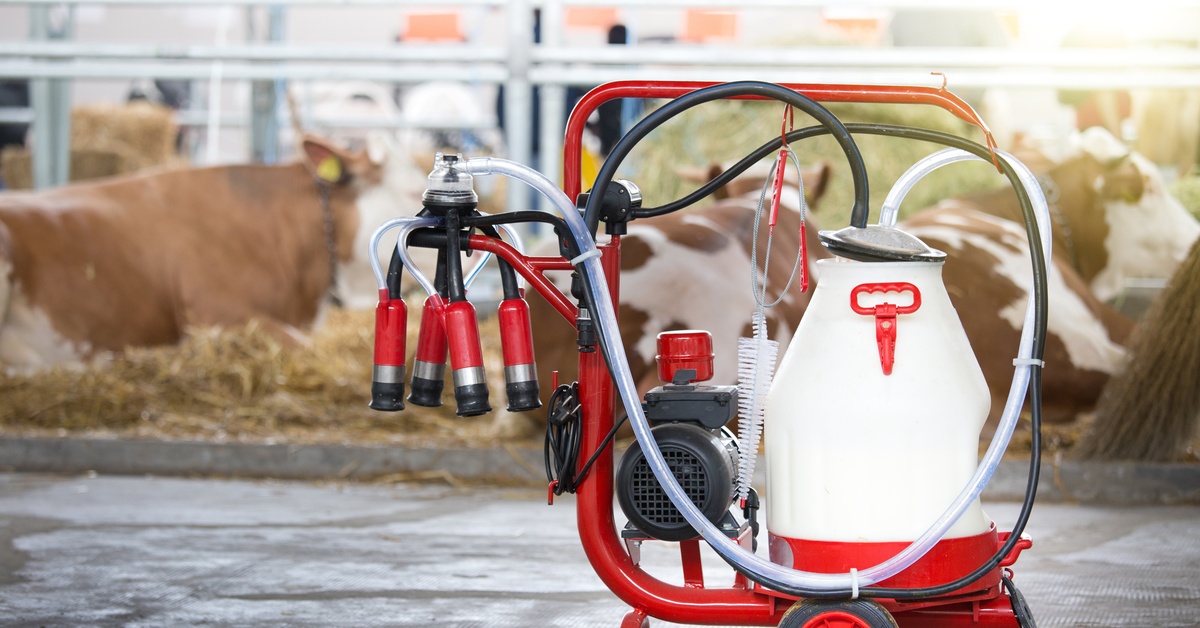
Dairy farming demands efficiency, flexibility, and a commitment to animal welfare, driving rapid technological evolution. New developments in portable milking equipment technology are transforming how farmers manage their herds. These advancements deliver improved milk quality, better herd health monitoring, and greater operational convenience for farms of all sizes. Delve into the latest trends in portable milking equipment and benefits for today's dairy producer.
The Rise of Smart Technology
The integration of smart technology into portable units marks a major leap forward for dairy management. These systems now incorporate sensors that collect valuable data directly from the cow during milking. Farmers gain real-time insights into milk flow, yield, and conductivity, which are critical indicators of udder health.
This data automatically syncs with farm management software, allowing for immediate analysis and decision-making. As a result, producers can quickly identify potential health issues, like mastitis, before they become serious problems. Protecting herd health supports both animal welfare and the farm's bottom line.
Enhanced Mobility and Ergonomic Design
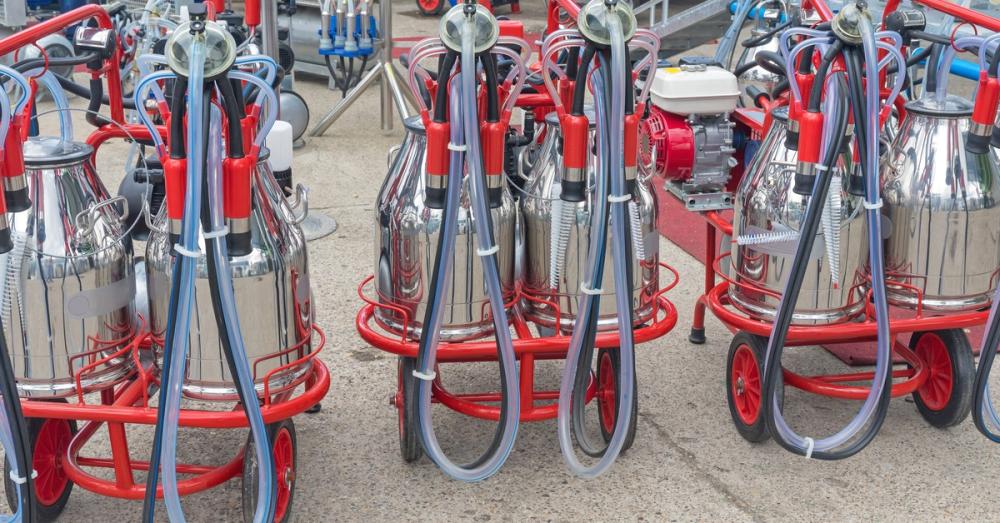
Manufacturers are placing a greater emphasis on the physical design of portable milkers to improve user comfort and operational efficiency. Newer models feature lighter materials, such as advanced polymers and aluminum alloys, without compromising durability. Additionally, improved wheel designs and balanced construction make it much easier to move the equipment.
The milking cluster and controls are now more intuitive. Handles are shaped for a better grip, and control panels are simplified for straightforward operation. These design improvements reduce physical strain on the operator, making the milking process faster and more comfortable.
Advancements in Pulsation Systems
Pulsation is at the heart of the milking process, and recent innovations have refined its function for better teat health. Modern portable milkers use electronic pulsators that offer greater precision and consistency than older pneumatic models. This technology allows for adjustable pulsation rates and ratios tailored to individual cows or herd requirements.
Precise control helps prevent teat-end damage and improves milk let-down, creating a more comfortable experience for the cow. More effective pulsation also contributes to a more complete milk-out, which maximizes yield and reduces the risk of udder infections.
Understanding Pulsator Ratios
The pulsator ratio determines the balance between the milking phase and the rest phase during each pulsation cycle. A common ratio, such as 60:40, means the teat is under vacuum for 60 percent of the cycle and in a rest phase for the remaining 40 percent. Getting the ratio right helps maintain udder health while promoting efficient milk extraction.
Improved Battery and Power Solutions
The latest portable milking systems provide greater freedom through advanced battery technology and more flexible power options. Many modern units are equipped with long-lasting lithium-ion batteries that supply consistent power for multiple milking sessions on a single charge. Moreover, these batteries are lighter and recharge faster than traditional lead-acid batteries. In addition to battery power, many new models include dual-power capabilities, allowing them to run on either battery or a direct AC power source.
Here are some of the key benefits of power enhancements in portable milking systems:
- Increased operational range for milking cows in distant pastures.
- Reliable performance during power outages or in off-grid locations.
- Reduced reliance on generators, which lowers noise and fuel costs.
- Consistent vacuum stability independent of a mains power source.
- Faster setup times without the need to manage long extension cords.
Superior Sanitation and Cleaning
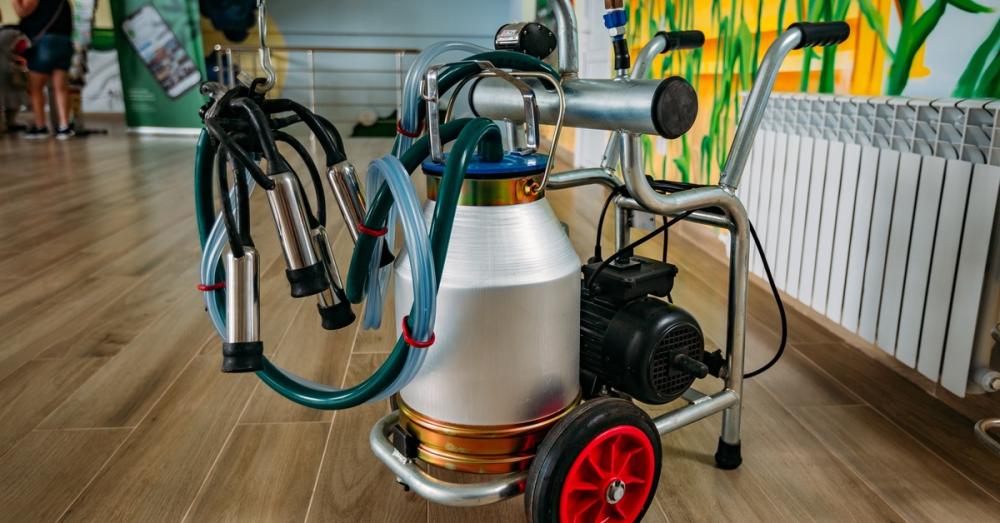
Maintaining hygiene is critical for milk quality, and new portable milkers simplify the cleaning process. Many systems now feature automated or semi-automated cleaning cycles that circulate cleaning solutions through the lines, claws, and inflations. This reduces manual labor and provides a more consistent and thorough sanitation process.
Furthermore, materials used in modern components have non-porous and easy-to-clean properties. Components like silicone liners and stainless-steel buckets resist biofilm buildup and withstand harsh cleaning agents. These advancements help farmers meet stringent hygiene standards with less effort.
Proper maintenance is key to getting the most out of portable milking equipment. Cleaning regularly, replacing worn parts, and following manufacturer guidelines extend the lifespan of the system. Neglecting maintenance can lead to reduced performance and higher repair costs. Keep your milking system well-maintained to ensure consistent milk quality and equipment reliability.
Integration of Milk Analysis Sensors
On-the-spot milk analysis is now available in some advanced portable systems. These units are equipped with inline sensors that analyze milk for key components during the milking process. For example, sensors can measure fat, protein, and lactose content in real time.
This immediate feedback gives producers a snapshot of each cow's nutritional status and production quality. Farmers can use this information to adjust feed rations, segregate milk for different purposes, or monitor health trends. This level of detailed, cow-side analysis was previously only achievable through laboratory testing.
Focus on Animal Welfare
Technological progress in portable milking equipment directly supports enhanced animal welfare. Quieter vacuum pumps and motors create a calmer milking environment, reducing stress for the animals. Moreover, improved liner designs and pulsation settings provide a gentler milking action that mimics the natural suckling of a calf.
Automatic cluster removers, once a feature of stationary parlors, are also appearing on portable models. These devices automatically detach the milking cluster once milk flow ceases, preventing over-milking that can cause teat irritation and injury.
Durable and High-Quality Components
The overall reliability of any milking system depends on the quality of its individual parts. Producers increasingly seek durable equipment that withstands the rigors of daily use. High-quality cattle milking equipment, which includes everything from the vacuum pump to the teat cup liners, is essential for consistent performance and longevity.
These robust components are built from superior materials and engineered for reliability. Reduced maintenance needs, longer-lasting components, and improved energy efficiency lower operational expenses. Additionally, better milk quality and yield translate to higher profits for dairy farmers.
Consider these advancements in component durability:
- Use of impact-resistant plastics for shells and claws.
- Corrosion-resistant stainless steel for buckets and hardware.
- Long-life silicone for milk tubes and inflations.
- Reinforced chassis and wheels for greater structural integrity.
- Sealed electronic components to protect against moisture and debris.
The evolution of portable milking equipment continues to bring powerful new capabilities to dairy farms. From smart data collection and improved ergonomics to advanced power systems, these innovations make milking more efficient, hygienic, and gentle on the animals. By staying informed about what’s new in portable milking equipment technology, producers can make investments that enhance productivity and support herd health.