How To Winterize Your Milking Equipment and Vacuum System

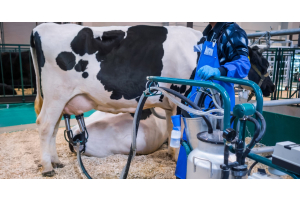
In dairy operations, frozen equipment can halt productivity, compromise milk quality, and result in expensive repairs that impact your bottom line. Ice in vacuum lines can block airflow, causing uneven milking and stress for cows. Frozen pulsators or hoses disrupt the milking process, leading to incomplete milk-outs and potential udder health issues. Follow these basic tips to winterize your milking equipment and vacuum system.
Inspect Insulation and Seal Drafts
The first step in preparing your facility is to inspect the insulation in your milking parlor. Cold air entering through cracks around windows, doors, and vents creates an environment where water lines can easily freeze. Sealing these gaps with weatherstripping or caulk helps maintain a stable ambient temperature, protecting sensitive components from damage.
Additionally, you should examine the insulation around your bulk tank, milk lines, and water lines for any signs of wear or damage. Rodents may create nests within insulation during the fall, leaving your system vulnerable to freezing and inefficiency.
Understanding Vacuum Pump Parts
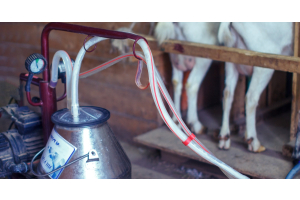
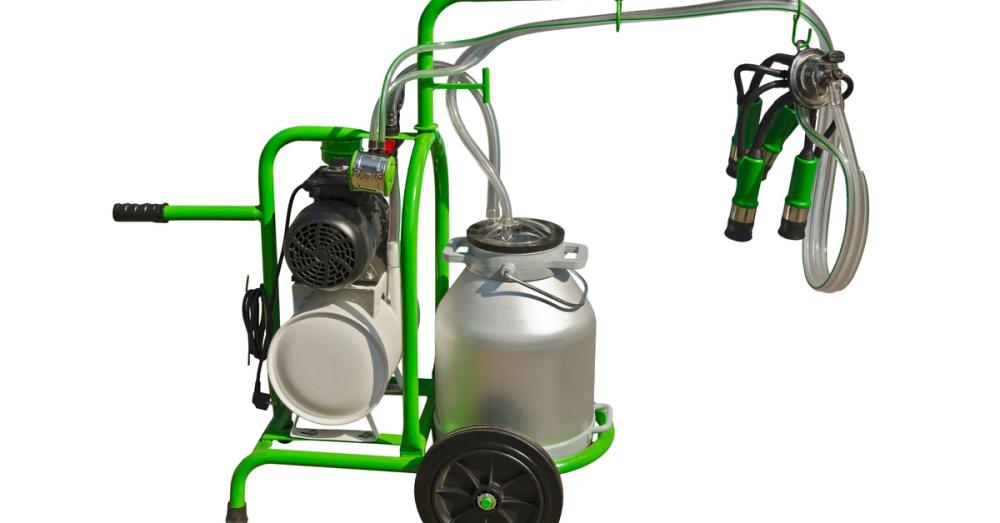
The vacuum pump generates suction that mimics a calf’s natural suckling action to extract milk. It also supports other functions, such as cleaning the equipment and transferring milk through pipelines to storage tanks.
Here are the parts of a vacuum pump and their roles:
- The vacuum pump motor powers the pump to generate consistent suction for the milking system.
- The vacuum regulator maintains the correct vacuum pressure to ensure gentle and efficient milking.
- The vacuum reserve tank stores extra vacuum capacity to stabilize pressure during operation.
- The pulsators control the rhythmic suction and release action that mimics natural suckling.
- The air lines transport the vacuum pressure to the milking units and other connected systems.
Winterize the Vacuum Pump
Proper winterization of your vacuum pump is essential to keep your milking system running smoothly during the cold months. The following sections outline how to prepare each component.
Preparing the Vacuum Pump Motor
Start by checking the motor for any signs of wear, such as frayed wires or unusual noises, and address these issues immediately. Replace the oil with a winter-grade or synthetic variety to keep it flowing smoothly in cold temperatures. Additionally, clean the motor housing to remove dust and debris that could cause overheating or inefficiency.
Maintaining the Vacuum Regulator
Inspect the regulator for any blockages or buildup that could restrict airflow, and clean it thoroughly using a soft brush or compressed air. Test the regulator’s settings to confirm it’s maintaining the correct pressure for your system. If it requires adjustments, refer to the manufacturer’s guidelines to recalibrate it properly.
Protecting the Vacuum Reserve Tank
The vacuum reserve tank must remain free of moisture to function effectively during winter. Drain the tank daily to remove any condensation that could freeze and block airflow. Check the tank for rust or corrosion, as these can weaken its structure and lead to leaks. If you notice any damage, repair or replace the tank before the cold weather worsens the issue.
Caring for the Pulsators
Clean the pulsator filters and air tubes to remove any debris or moisture that could disrupt their operation. Listen for irregular sounds during operation. Consider installing heat tape on the pulsator airlines to prevent freezing in extremely cold conditions.
Checking the Air Lines
Air lines are prone to moisture buildup, which can freeze and block airflow in winter. Drain the lines after every milking session to remove condensation and prevent ice formation. Inspect the lines for cracks or leaks, and replace any damaged sections to maintain consistent vacuum pressure. Consider installing automatic drain valves that activate when the vacuum pump shuts off, expelling any accumulated moisture from the lines.
Check Teat Sprayers and Dips
Teat dips and spray systems clean and disinfect cows’ teats before and after milking, but they are also highly vulnerable to freezing. If your teat dip chemicals are stored in an unheated area, they can crystallize or turn to slush, rendering them ineffective. Store all sanitizing chemicals in a temperature-controlled room or a heated cabinet to keep them effective.
You must also regularly inspect the teat sprayer hoses and nozzles for blockages caused by frozen residue. A clogged sprayer delivers uneven coverage, which increases the risk of mastitis, especially when cows’ skin is already stressed by cold weather. Regularly flushing the lines with warm water will help keep the system operational and your herd protected.
Maintain Heaters and Ventilation
A reliable heating system in the milking parlor is necessary for proper equipment function and operator comfort. Dust, cobwebs, and other debris can accumulate on heating units, reducing their efficiency and posing a fire hazard. Clean all heaters thoroughly and have them professionally inspected to confirm they are safe and ready for continuous use.
Adequate ventilation also keeps the workspace safe in winter. Milking and cleaning activities introduce a great deal of moisture into the air, which will condense on cold surfaces if not properly exhausted. A well-balanced ventilation system removes this humid air, preventing ice buildup and maintaining a drier environment.
Monitor Rubber and Plastic Parts
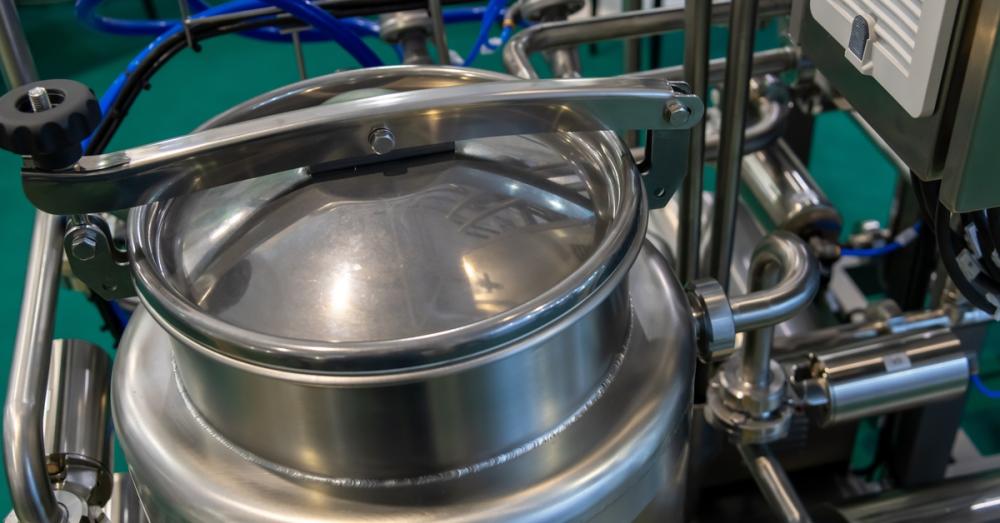
Rubber and plastic are used extensively in milk processing equipment, including cooling tanks and transport tanks, to maintain airtight and watertight connections. Rubber and plastic liners, milk hoses, and gaskets become stiff and brittle in cold temperatures. This loss of flexibility can cause micro-cracks to form, which can harbor bacteria and compromise sanitation. It also leads to vacuum leaks that reduce milking efficiency and can contribute to liner slips.
Follow these steps to inspect and maintain rubber and plastic goods:
- Examine inflation liners for signs of cracking, particularly at the mouthpiece and short milk tube.
- Check milk and pulsation hoses for brittleness or visible wear.
- Inspect all gaskets on your receiver group and pipeline for a proper seal.
- Confirm that jetter cups and mounting hardware are intact and not cracked.
- Verify that automatic take-off cylinders and hoses are in good condition.
Keep Spare Parts on Hand
Equipment failures are always inconvenient, but they become especially challenging during a winter storm when travel is difficult. A cracked hose or a failed pulsator can halt your operation, and waiting for a replacement part to arrive wastes valuable time. Having an inventory of critical spare parts is a sound strategy for winter preparedness.
Keep spare liners, hoses, gaskets, and even a backup pulsator on hand to turn a potential crisis into a manageable repair. You can replace the broken component immediately and continue your milking schedule with minimal disruption.
Winterizing your milking equipment and vacuum system supports a productive and stress-free season on your dairy farm. By thoroughly inspecting insulation, servicing mechanical systems, managing moisture, and stocking spare parts, you protect your valuable equipment from the damaging effects of cold. These steps also protect herd health, ensuring consistent milk production and reducing the risk of illness during winter.