How Vacuum Pump Maintenance Impacts Milking Efficiency
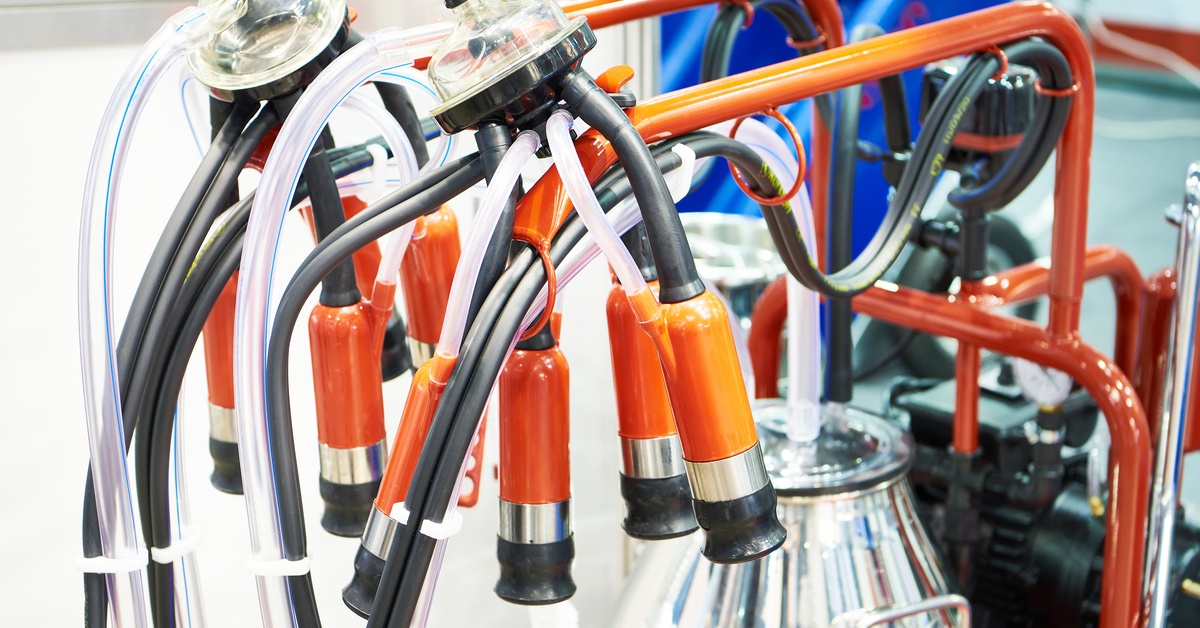
In any dairy operation, from a small homestead to a large commercial farm, efficiency is key to success. While many components contribute to a smooth milking process, the vacuum pump works behind the scenes as an unsung hero. This essential piece of equipment is the heart of your milking system, and its proper maintenance directly affects your farm's productivity, animal health, and overall profitability.
Neglecting the vacuum pump can cause inconsistent performance, potential hygiene issues, and costly breakdowns. Below, we outline how vacuum pumps work, explain the impact of proper maintenance on milking efficiency, and provide actionable guidance for proactive machine care.
Understanding Vacuum Pumps in Milking Systems
The vacuum pump is the engine that drives the entire milking system. Its primary function is to maintain a consistent, stable vacuum level, which is necessary for operating the pulsators and gently extracting milk from the animal. This vacuum creates a pressure differential that allows milk to flow from the teat into the collection system. The pump removes air from the pipelines, maintaining the negative pressure necessary for the milking clusters to function correctly.
There are various types of vacuum pumps for milking that farmers use, including rotary vane and rocking piston pumps. Mobile vacuum pumps are particularly popular for smaller operations or for use with portable milkers, offering flexibility and convenience. Regardless of the type, the principle remains the same: the pump must reliably generate and sustain the correct vacuum level for a fast, complete, and gentle milking process. Without a properly functioning vacuum pump, the entire system falters, impacting everything from milking speed to animal comfort.
The Effect of Pump Maintenance on Milking Performance
Consistent and thorough maintenance of your vacuum pump is not just a recommendation; it is a fundamental requirement for optimal milking performance. Vacuum pump maintenance impacts every aspect of your milking operations, from consistency to safety and efficiency.
Maintaining Consistent Vacuum Levels
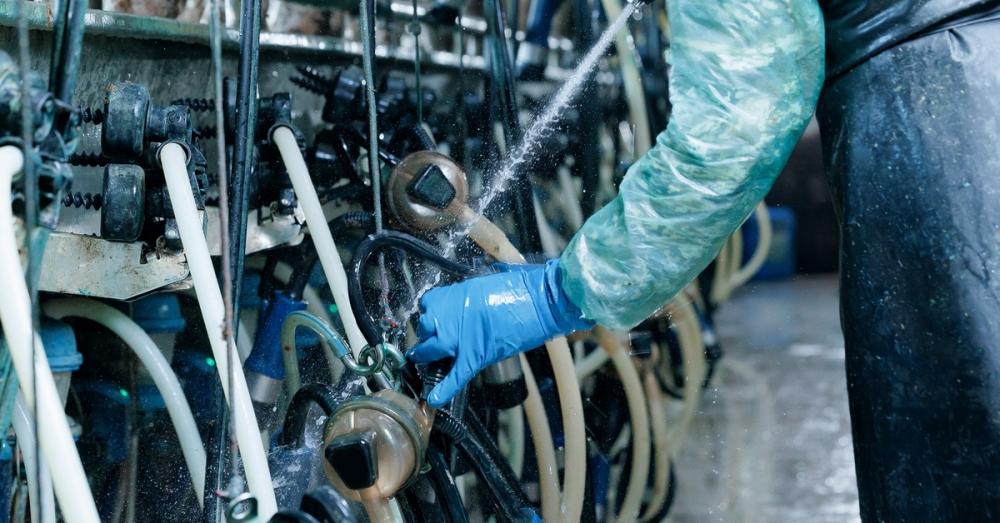
A stable vacuum is crucial for efficient milking and udder health. A poorly maintained pump can cause fluctuations in vacuum levels, causing incomplete milk-out or, conversely, over-milking. An inconsistent vacuum can stress the animal's teats, potentially causing discomfort and increasing the risk of mastitis. When the pump operates correctly, it maintains a steady vacuum throughout the milking process, allowing a quicker, more complete milk harvest while protecting the animal.
Preventing Contamination and Ensuring Hygiene
The vacuum pump connects to the entire milking system, and any contamination within the pump can spread through the pipelines. Dust, debris, and oil vapors from a neglected pump can enter the system, compromising milk quality and creating a breeding ground for harmful bacteria. Regular cleaning and filter replacement are musts to prevent these contaminants from reaching the milk line. A clean vacuum pump is a cornerstone of maintaining the highest hygiene standards and producing safe, high-quality milk.
Minimizing Downtime and Repair Costs
Preventive maintenance is always more cost-effective than emergency repairs. A sudden vacuum pump failure can bring your entire milking operation to a halt, causing significant downtime and lost revenue. Routine inspections and maintenance allow you to identify and address minor issues before they escalate into major problems that require expensive repairs or a complete pump replacement. By investing a small amount of time and resources into regular upkeep, you can avoid the high costs and stress from sudden equipment failure.
Key Maintenance Practices for Vacuum Pumps
A proactive maintenance approach will keep your vacuum pump running smoothly for years to come. Integrating these practices into your regular farm management routine will pay dividends in efficiency and reliability.
Regular Cleaning and Inspection
Visual inspection is your first line of defense. Regularly check the pump for any signs of wear, leaks, or damage. Keep the exterior of the pump clean from dust and dirt, as this can cause it to overheat. Pay close attention to belts, hoses, and connections, confirming they are secure and in good condition. Listening to the pump during operation can also provide clues about its health; investigate any unusual noises immediately.
Lubrication Best Practices
For oil-lubricated pumps, maintaining the correct oil level and quality is vital. The oil lubricates moving parts, creates a seal, and helps dissipate heat. Check the oil level daily before milking, and top it off as necessary with the manufacturer-recommended oil. You should change the oil according to the manufacturer's schedule, as old or contaminated oil can lose its lubricating properties, causing premature wear of the pump's internal components.
Filter Replacement
The filters in your vacuum pump, such as the Gast Felt Filter, play a crucial role in protecting it from dust, moisture, and other contaminants. Clogged filters restrict airflow, forcing the pump to work harder and reducing its efficiency. Inspect and clean or replace the filters as the manufacturer recommends. A clean filter guarantees the pump can draw air freely, maintaining optimal performance and extending its lifespan.
Addressing Common Issues: Troubleshooting Guide
Familiarize yourself with common vacuum pump problems and their solutions. If you notice a drop in vacuum pressure, check for air leaks in the system, clogged filters, or worn pump vanes. Low oil levels, poor ventilation, or a blocked exhaust can cause overheating. Strange noises might indicate worn bearings or loose parts. Having a basic troubleshooting guide and the necessary spare parts, such as a rebuild kit for a Gast pump, can help you resolve minor issues quickly and minimize downtime.
Choosing the Right Vacuum Pump for Your Operation
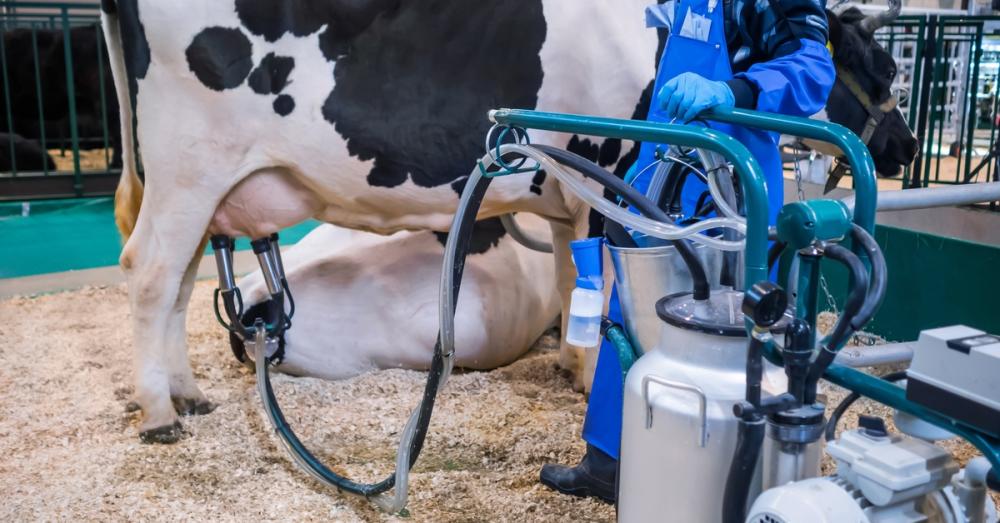
Selecting the right vacuum pump is as important as maintaining it. The size and type of pump you need will depend on the scale of your operation. For homesteaders or those with just a few animals, a compact milker, such as a 3/4 HP model, may be sufficient.
Larger commercial operations with hundreds of animals will require a more powerful and robust system. Consider factors such as horsepower (HP), airflow capacity (CFM), and whether you need a stationary or mobile unit. Brands like Gast and Conde offer reliable options for various needs, from small-scale mobile milkers to larger vacuum supplies with tanks. Investing in a high-quality pump that matches your operational requirements will set the foundation for an efficient and reliable milking system.
Your Foundation for Milking Efficiency
Your vacuum pump is a vital asset that requires consistent attention and care. Prioritizing its maintenance is an investment in the efficiency, hygiene, and profitability of your dairy farm. By implementing regular cleaning, lubrication, and inspection routines, you can ensure stable vacuum levels, protect milk quality, and prevent costly breakdowns.
At Parts Department, we provide high-quality vacuum pumps, rebuild kits, and spare parts you need to maintain a productive, reliable milking system. Explore our collection today to find the essential components for your operation.