Signs It’s Time To Replace Your Dairy Milking Pulsator

The milking pulsator is a vital component of your milking system, responsible for the rhythmic action that mimics a calf’s natural nursing pattern. When this part begins to fail, it jeopardizes the animal’s comfort and your operation’s productivity. Recognize the signs that it’s time to replace your dairy milking pulsator so you can maintain a healthy, high-yielding herd.
Inconsistent Pulsation Rates and Ratios
One of the first indications of pulsator trouble is an inconsistent pulsation rate, which disrupts the delicate balance of the milking process. A properly functioning pulsator maintains a steady rhythm, but a faulty one may speed up, slow down, or become erratic without warning. This inconsistency puts stress on the cow’s teats, potentially causing discomfort and affecting milk letdown.
Moreover, the pulsation ratio, which is the balance between the milking phase and the rest phase, may become irregular. If the rest phase is too short, teats do not have enough time to recover, which increases the risk of teat-end issues such as hyperkeratosis. Hyperkeratosis results in hardened, cracked teat ends, which can trap bacteria and make milking painful for cows. This condition contributes to higher infection rates and negatively impacts milk production.
Physical Wear and Visible Damage
A thorough visual inspection can reveal obvious signs that it’s time to replace your dairy milking pulsator. Look for cracks in the housing, worn-out diaphragms, or damaged seals, as these components are crucial for maintaining a proper vacuum seal. Any physical damage compromises the pulsator’s ability to function correctly and should be addressed immediately.
Furthermore, internal components may degrade over time due to constant use and exposure to cleaning chemicals. You can follow the manufacturer’s instructions to disassemble the unit, then look for worn-out flappers, clogged air ports, or other internal issues.

Noticeable Drop in Milk Yield
A sudden or gradual decrease in milk production is a red flag that your milking equipment needs attention. When pulsators fail to operate correctly, cows may not milk out completely, leaving milk behind in the udder. Incomplete milking reduces daily yield and increases the risk of mastitis, a costly and harmful infection.
Additionally, cows are creatures of habit and are sensitive to changes in their milking routine, including variations in vacuum pressure caused by a failing pulsator. An uncomfortable milking experience may cause them to hold back milk, further reducing yields. Monitoring your herd’s production data closely can help you identify these trends early and pinpoint a faulty pulsator as the underlying cause.
Unusual Noises During Operation
Your dairy’s daily sounds create a familiar rhythm, and any deviation from that baseline deserves investigation. A properly working pulsator should produce a consistent, rhythmic clicking or puffing sound during operation. If you start to hear irregular clicks, a loud buzzing, or complete silence, it indicates that the internal mechanisms are failing.
These abnormal sounds are typically caused by worn internal parts, air leaks, or blockages within the pulsator. For example, a broken diaphragm or a loose component can create a rattling or hissing noise.
Here are some specific sounds that signal a problem:
- A high-pitched whining, which suggests an air leak.
- An erratic or inconsistent clicking pattern instead of a steady rhythm.
- A complete lack of sound, indicating the pulsator has stopped working entirely.
- A muffled sound, which may point to a blockage in the air tubes.
- A loud thumping or knocking, signaling a severe mechanical failure.
Increased Cases of Teat Issues
The health of your cows’ teats is a direct reflection of your milking system’s performance. An increase in teat-end discoloration, swelling, or hyperkeratosis is a strong indicator that your pulsators are not functioning correctly. When the pulsation ratio is off, teats do not get the necessary massage and rest, leading to poor blood circulation and tissue damage.
Consequently, cows may show signs of discomfort during milking, such as kicking at the cluster or general restlessness. This behavior is a response to the harsh or irregular vacuum action from a faulty pulsator. Replace the failing unit to restore the cow’s comfort and prevent long-term teat damage.
Problems with Cluster Attachment
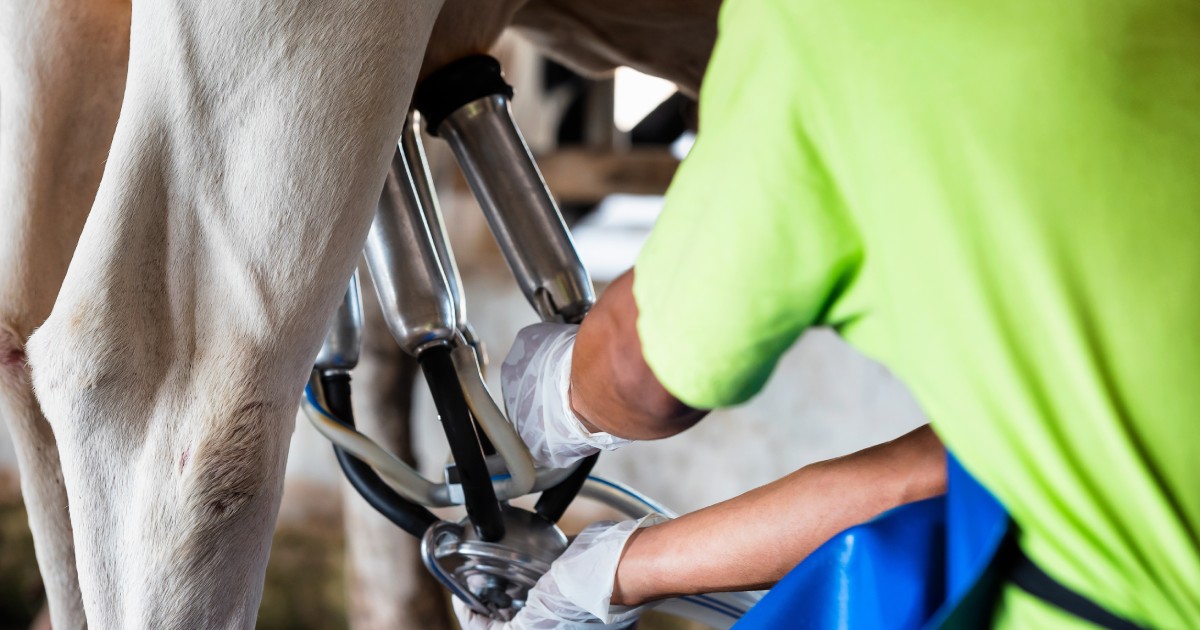
Difficulty in keeping milking clusters attached to the cow is another symptom of improper pulsation. A malfunctioning pulsator may not provide the stable vacuum needed to keep the cluster in place. As a result, you may experience liner slips or cluster fall-offs, which interrupt the milking process and introduce contaminants into the milk line.
Attachment issues slow down your milking routine, as workers must constantly reattach the units. This inefficiency reduces parlor throughput and adds labor costs to your operation. A new, reliable pulsator for milking restores the consistent vacuum necessary for proper cluster attachment, improving both efficiency and hygiene.
Poor Results on System Tests
Diagnostic testing provides objective data on your milking equipment’s performance. A qualified technician can measure pulsation rates, ratios, and vacuum stability. If these tests indicate that the pulsator is operating outside the manufacturer’s recommended specifications, you need to replace it. Even if a pulsator appears to be working, it may still have underlying issues that only sensitive equipment can detect.
Here are some key metrics that system tests evaluate:
- Pulsation rate (pulses per minute) consistency.
- Pulsator ratio accuracy.
- Vacuum level stability during both milk and rest phases.
- Identification of any vacuum leaks within the pulsator unit.
Age and Recommended Service Life
All mechanical equipment has a finite lifespan, and milking pulsators are no exception. Manufacturers provide guidelines for the expected service life of their products. Exceeding these recommendations increases the risk of failure.
While regular rebuilding with maintenance kits can extend a pulsator’s life, there comes a point where replacing the entire unit is more cost-effective. Additionally, modern pulsators offer advanced features that improve efficiency and cow comfort. Innovations like adjustable pulsation rates and quieter operation create a better milking experience for both cows and workers.
Replacing milking pulsators is a critical responsibility for any dairy manager, protecting both animal welfare and your bottom line. From inconsistent rates and reduced yields to physical damage and teat health issues, these indicators signal equipment problems. By performing regular inspections and responding to these warning signs, you can maintain an efficient and productive milking operation. Investing in reliable pulsation equipment is an investment in the long-term success and sustainability of your farm.