

Posted by Scott Ford on Nov 4th 2026
Tips for Storing Milking Strainers Between Uses
A milking strainer may only be used for a short part of your dairy routine, but what happens to it afterward can affect how well it performs during the next session. Leaving the device damp, placing it near dirty equipment, or stacking it carelessly can create extra cleaning and maintenance work. A few practical tips for storing milking strainers keep these tools clean and protected between uses.
Clean After Every Use
Milk residue can remain on a strainer even after the visible milk has drained away. If left in place, it can dry onto the surface and become harder to remove later. Washing strainers promptly after milking prevents residue from sitting on the equipment for extended periods.
Start by removing the used filter and disposing of it according to the manufacturer's instructions. Next, rinse the strainer as directed, then wash it with a dairy-equipment-safe cleaning product. Follow the recommended sanitizing procedure, including any final rinsing requirements, before storing the strainer.
Pay Attention to Seams and Crevices
Small spaces around the rim, joints, and filter-holding areas can collect milk residue that a quick rinse might miss. These spots may need additional cleaning with a soft brush or another tool approved for the equipment. If your strainer has removable components, take them apart according to the manufacturer's instructions so you can reach areas where residue tends to collect. After washing, check these surfaces again to make sure nothing was overlooked.
Dry Completely Before Storage

Moisture left on a clean strainer can create problems during storage. Trapped water can encourage microbial growth, particularly when equipment sits in an enclosed space with little airflow.
Allow the equipment to air-dry in a clean area, away from splashes and dust. Ordinary towels can leave lint or introduce contaminants, so avoid using them to wipe milk-contact surfaces. Once the strainer is completely dry, you can move it to its designated storage location.
Position Strainers for Proper Drainage
How you position a strainer during drying affects whether water drains away or collects in low spots. A clean, sanitary drying rack allows moisture to escape while keeping the equipment off surrounding surfaces. Avoid laying the strainer flat if doing so blocks airflow underneath or traps water against the metal. Before putting it away, check for remaining droplets around grooves, rims, and recessed areas.
Choose a Suitable Storage Location
Where you store milking strainers can affect how well they stay protected between uses. Ideally, store them in a dry, easy-to-maintain area, separate from activities that generate dirt or excess moisture. A dedicated spot also keeps strainers easy to find when you need them for another milking session.
When choosing a storage spot, keep the following potential problems in mind:
- High humidity can leave moisture on equipment and encourage microbial growth.
- Water from nearby sinks, hoses, or wash stations can splash onto freshly cleaned equipment.
- Dust, feed particles, and bedding debris can settle on exposed surfaces.
- Storing equipment directly on the floor increases the risk of contact with dirt, moisture, and accidental damage.
- Cleaning products and other chemicals stored nearby can spill or leak onto equipment.
Protect From Contamination
A freshly washed strainer can become dirty again if you handle it carelessly or place it on an unclean surface. After you clean and dry the equipment, limit unnecessary contact with areas that will eventually touch milk. Also consider what happens when you move strainers from the wash area into storage.
Clean hands and sanitary handling surfaces can prevent contamination during this process. Instead of setting a strainer on any available countertop, use a designated clean surface when you need to set it down. If the equipment gets dropped, splashed, or otherwise contaminated, clean and sanitize it again before use.
Store in Protective Containers
A dedicated container or cabinet can keep strainers organized while protecting them from dust and accidental contact. However, a container isn't automatically suitable just because it has a lid or keeps equipment out of sight. The right option should be easy to maintain, large enough for the strainer, and appropriate for storing clean dairy equipment.
When choosing a storage container, consider these features:
- Cleanable materials: Choose surfaces that can be washed and sanitized when necessary.
- Adequate space: Leave enough room for the strainer without bending or pressing against its edges.
- Moisture control: Use containers that stay dry and don't develop condensation.
- Protective coverage: A clean cover or enclosed cabinet can limit exposure to dust and debris.
- Easy access: Select a design that allows you to remove equipment without touching milk-contact surfaces unnecessarily.
Prevent Damage During Storage
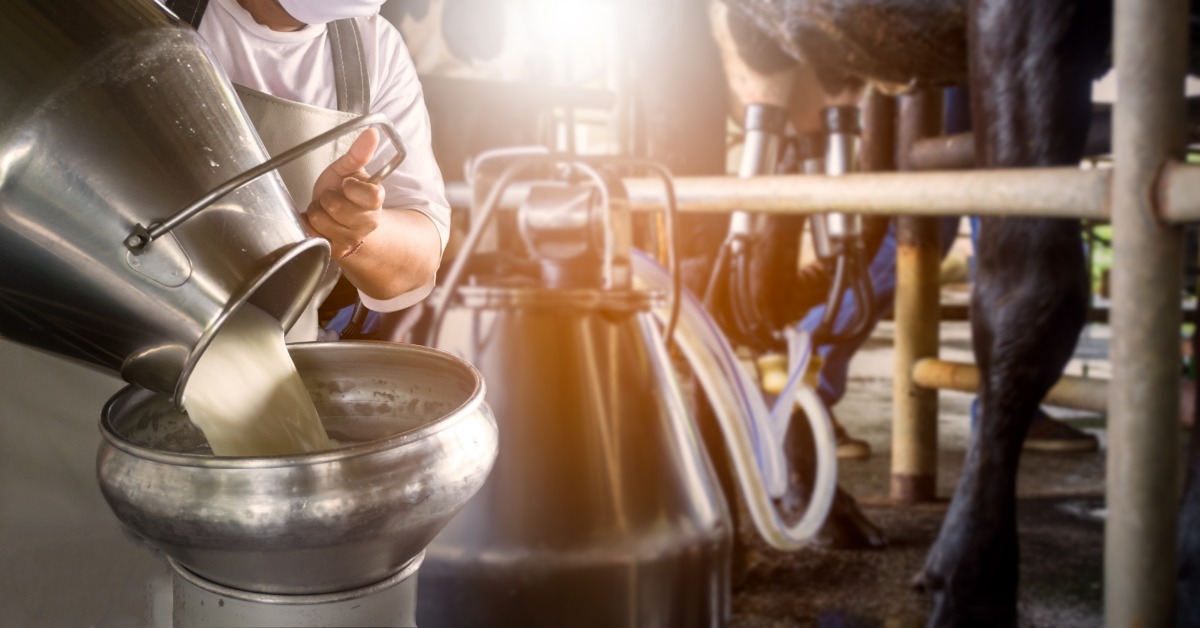
Milking strainers are built for repeated use, but careless storage can degrade their condition. A crowded shelf or poorly arranged supply area can expose the equipment to pressure, impacts, and scratches. Giving each strainer enough room reduces the likelihood of damage during everyday handling.
Consider how often you have to move other supplies just to reach a strainer. If it's tucked beneath heavier equipment or behind a crowded stack of containers, you're more likely to knock something over. Keeping frequently used strainers within easy reach makes retrieval simpler and reduces unnecessary handling.
Avoid Pressure on Delicate Components
A stainless steel milking strainer is durable, but its rim, handle, and filter-support areas can still be damaged by repeated pressure or impacts. Avoid setting heavy supplies on top of strainers or forcing several pieces into a compartment that's too small. If storage space is limited, separate shelves or designated sections can keep items from pressing against one another.
Inspect Strainers Before Reuse
Even with careful storage, take a moment to inspect a strainer before the next milking session. Look for dust, debris, or signs that water or other contaminants reached the equipment while it was put away. If the strainer is no longer clean, repeat the appropriate cleaning and sanitizing steps before using it.
Also check its physical condition, especially around the rim, handle, seams, and filter-holding components. Cracks or bent parts may make the equipment harder to clean or prevent the filter from fitting securely. If a component is damaged beyond acceptable use, replace the affected part or the strainer itself rather than continuing to use equipment that no longer works as intended.
Good storage habits start with cleaning and continue until the equipment is needed again. Thorough drying and proper storage can protect strainers from moisture, dirt, and unnecessary wear. Separating clean supplies from used equipment also makes daily routines easier to manage. By following these simple practices consistently, you can keep your milking strainers in good condition and ready for the next round of milk handling.