

Posted by Scott Ford on Nov 13th 2026
How To Future-Proof Your Dairy Equipment Setup
A milking system that works smoothly today might struggle to keep up as your herd grows or your daily routine changes. Longer milking sessions and increased milk production can expose limitations in equipment that once met your needs. Future-proofing your dairy equipment setup helps you prepare for these changes before they cause delays or unexpected expenses. With some practical planning and maintenance decisions, you can keep your operation running efficiently as its needs evolve.
Assess Your Current Equipment
Before planning upgrades, take a close look at how your existing equipment performs during daily milking. Consider whether your system handles the current workload efficiently or if certain components require frequent adjustments or repairs. Understanding what's working and where problems occur gives you a clearer starting point for future improvements.
Take the following steps to assess equipment for wear and performance issues:
- Check vacuum pumps for inconsistent or reduced vacuum levels.
- Look for irregular pulsation cycles or signs of mechanical wear in pulsators.
- Inspect hoses and tubing for cracks, stiffness, leaks, or deteriorating connections.
- Examine milking claws for visible damage or milk flow restrictions.
- Check milk collection equipment for leaks or signs of deterioration.
- Note recurring slowdowns or equipment failures that interrupt milking.
Recurring Problems
Equipment that repeatedly interrupts milking may indicate an underlying problem. For example, frequent vacuum fluctuations could point to leaks, worn components, or vacuum system issues. Review your maintenance records to see whether certain problems keep returning, even after repairs. These patterns can reveal where you might need to install replacement parts or upgrade equipment.
Keep Essential Parts Available
Having commonly replaced parts on hand can prevent minor equipment failures from turning into extended downtime. Inflations and tubing are worth stocking based on your system's maintenance needs. Store these supplies in clean, labeled containers so they're protected from damage and easy to identify.
Plan for Future Herd Growth
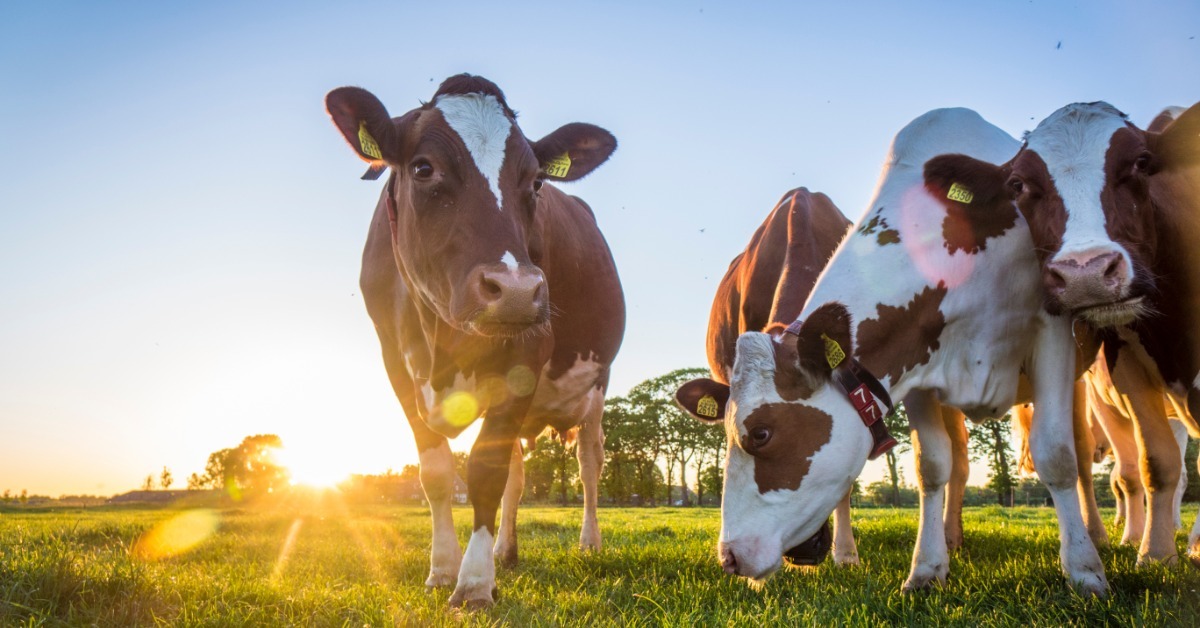
Even if you aren't planning to expand immediately, consider how a larger herd might affect your current setup. More animals generally mean collecting more milk, which could extend milking sessions or require additional equipment. Thinking through these changes now helps future-proof your dairy equipment setup without rushing into upgrades later.
When evaluating your future needs, consider these factors:
- Estimate how many additional animals your operation might eventually accommodate.
- Consider whether a larger herd would require additional workers or more efficient equipment.
- Determine if your current system could handle more animals within your preferred schedule.
- Check whether your milking area has enough room for potential expansion.
Electrical and Water Capacity
Expanding your milking system may place additional demands on your farm's electrical and water supplies. More equipment can increase electricity consumption, while additional milking units may require more water for cleaning and sanitation. Before planning an expansion, check whether your existing utilities can handle the added workload. If upgrades are necessary, account for them early so they don't delay equipment installation.
Choose Expandable Milking Equipment
Equipment that supports future expansion can make changes easier as your operation develops. Some milking systems allow you to add or replace individual components without overhauling the entire setup. When comparing cattle milking equipment, consider whether the system can accommodate additional milking units or changing production demands.
It's also worth looking beyond the equipment's current capacity. A system that's suitable for a small herd may become impractical if you eventually need to milk significantly more animals. Review manufacturer specifications to understand what expansion options are available and whether they'll meet your longer-term needs.
Modular System Components
Modular equipment lets you add or replace certain parts of a system independently. Depending on the design, these might include milking units, collection equipment, or sections of a milk transfer system. Before purchasing, confirm that the manufacturer supports the modifications you may need later. Keep in mind that adding components can also require changes to vacuum capacity or other parts of the system.
Equipment Availability and Support
Some equipment may require specialized components that aren't readily available from multiple suppliers. Check whether the manufacturer provides clear documentation and whether compatible parts are likely to remain accessible. Having reliable sources for parts and service can make future repairs and modifications easier to manage.
Check Compatibility Across Your System
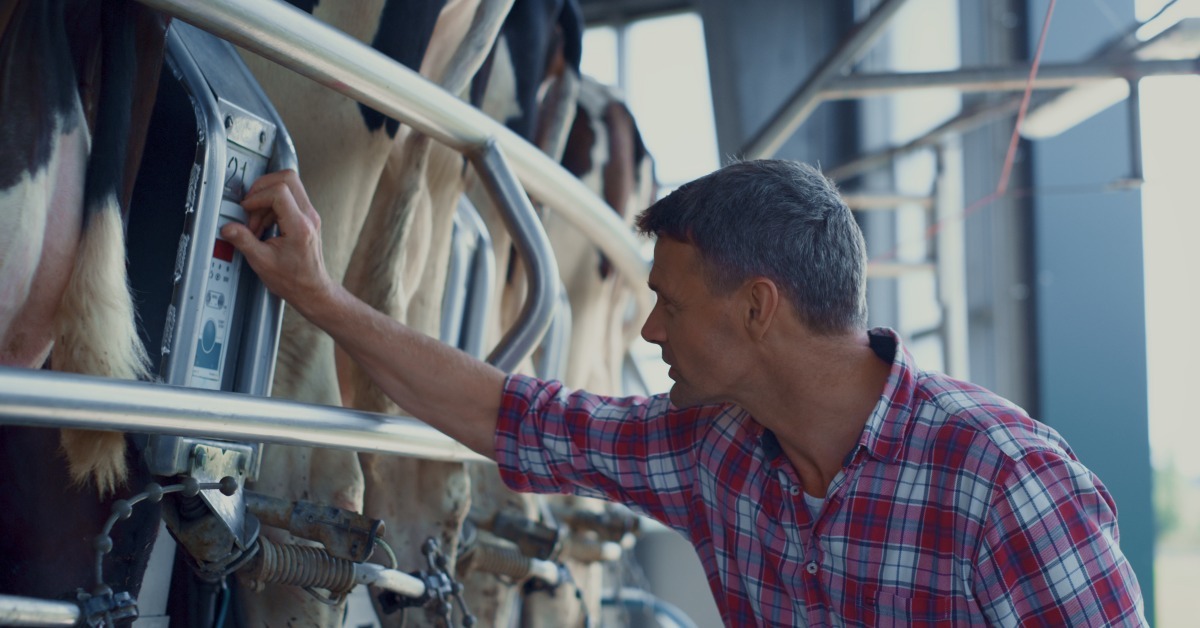
A replacement component won't necessarily work with every part of your existing milking system. Differences in connection sizes and equipment designs can create problems when combining parts from different manufacturers. Checking compatibility before you buy reduces the risk of installation difficulties or performance issues.
Think about how each new component will interact with the equipment around it. For example, replacing a milking claw may involve checking whether it fits your existing hoses and other connected parts. Keeping specifications readily available makes it easier to choose suitable replacements when the time comes.
Plan for Increased Milk Storage
As production increases, you'll need enough storage capacity to hold the additional milk between pickups or processing sessions. A bulk milk tank that comfortably handles today's volume may become too small if your herd expands. Estimate how much milk your operation could produce in the coming years, then compare that figure with your tank's current capacity.
However, choosing a larger tank isn't the only consideration. You'll also need adequate cooling capacity and enough space for installation and routine maintenance. Reviewing these requirements early can make a future storage upgrade easier to plan and carry out.
Budget for Future Upgrades
Planned upgrades are generally easier to budget for than unexpected equipment failures. Start by reviewing your system's age and repair history to identify components that may need replacing in the coming years. Manufacturer recommendations can also guide when to schedule maintenance or buy new equipment.
Next, prioritize potential upgrades based on their impact on daily operations and long-term capacity. For instance, replacing an unreliable vacuum pump may be more pressing than adding milking units you won't need until your herd expands. Setting aside funds for these improvements gives you more flexibility to compare options and prepare for installation costs.
The best time to think about your next equipment upgrade is before your current system reaches its limits. You don't need to replace everything at once or invest in tools your farm isn't ready to use. Instead, focus on improvements that solve existing problems while leaving room for future changes.