

Posted by Scott Ford on Nov 25th 2026
How Milk Testing Supports Product Consistency
Two batches of milk can come from the same dairy farm and still behave differently during processing. Changes in fat and protein levels can affect cheese yields, while bacterial contamination or antibiotic residues can create other production problems. Milk testing supports product consistency by identifying these differences before they interfere with production. From checking milk composition to monitoring quality during processing, routine testing provides valuable information at every stage.
Monitoring Milk Composition
Milk contains water, fat, proteins, lactose, and minerals, but the proportions can vary between batches. Testing allows dairy producers to measure these components and identify changes that might otherwise go unnoticed. This information is particularly useful when producing foods like cheese and yogurt, where differences in milk composition can affect the finished product.
Measuring Fat and Protein Levels
Fat and protein are among the most important components measured during routine milk testing. Fat contributes to characteristics such as richness and texture, while protein plays an important role in processes like cheese production. Changes in either measurement can influence product yield and consistency, even when the milk looks normal. By tracking these levels, producers can determine whether adjustments are needed to meet their production requirements.
Accounting for Seasonal Variations
Milk composition naturally changes throughout the year as feeding conditions and stages of lactation vary. For example, shifts in an animal's diet may influence the balance of fat and protein in its milk. Regular testing makes it easier to recognize these fluctuations before they affect finished products. Comparing results across seasons also gives producers a useful reference for anticipating changes and planning production.
Detecting Bacterial Contamination
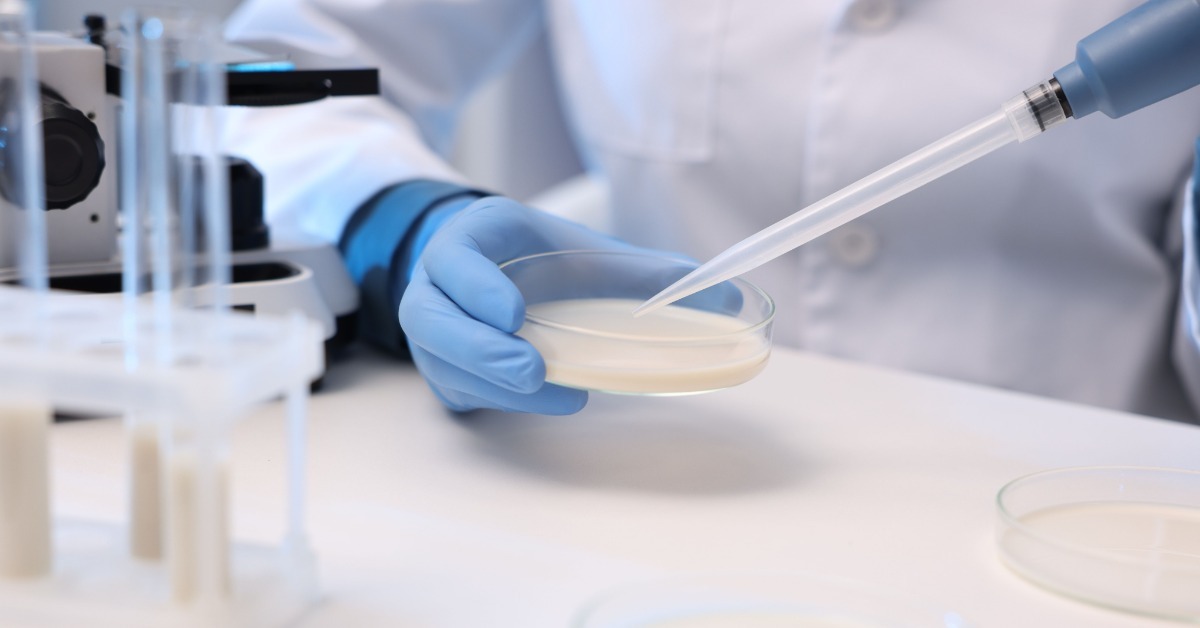
Even with careful milk handling, bacteria can enter milk during collection, transfer, or storage. Elevated bacterial counts may point to problems with equipment sanitation or handling procedures. Testing helps producers recognize unusual results and investigate possible causes before larger quantities of milk are affected.
Bacterial contamination can develop from several sources:
- Milk residue left inside improperly cleaned hoses, tanks, or other equipment can create conditions for bacterial growth.
- Dirty collection surfaces and equipment connections may introduce unwanted microorganisms into the milk.
- Milk held at unsuitable temperatures can allow bacteria to multiply.
- Contaminated containers or improper storage conditions may lead to higher bacterial counts.
Equipment Cleaning Effectiveness
Bacterial test results can indicate whether routine cleaning procedures are working as intended. If counts remain elevated, producers may need to inspect milk-contact surfaces, review sanitation procedures, or check for worn components that are difficult to clean thoroughly. However, the results won't necessarily reveal exactly where contamination occurred. Comparing test findings with cleaning records and equipment inspections can narrow down the possible causes.
Monitoring Udder Health Indicators
Not every milk quality issue begins with equipment or handling practices. Conditions affecting the animals themselves can also influence the milk they produce. One important measurement is the somatic cell count, which reflects the number of certain cells present in milk.
Elevated somatic cell counts are often associated with inflammation in the udder, including mastitis. They may also accompany changes in milk composition that affect processing performance and the shelf life of some dairy products. Monitoring these results gives producers another way to identify potential quality concerns and determine when further investigation is needed.
Somatic Cell Counts
Somatic cells include white blood cells and cells naturally shed from the udder's lining. When inflammation develops, the number of these cells in milk often rises. Testing allows producers to track these changes over time, even when an animal doesn't show obvious signs of a problem. Although an elevated count doesn't identify the exact cause, it can indicate that additional animal health checks are necessary.
Detecting Antibiotic Residues

Dairy animals sometimes need antibiotics to treat bacterial infections, but their milk must be handled according to the medication's required withdrawal period. Residue testing checks for certain antibiotic substances that could remain in the milk. Screening helps identify milk that shouldn't enter the broader supply, reducing the risk of unacceptable residues reaching processing facilities.
Antibiotic residues can also interfere with the bacterial cultures used to make products like cheese and yogurt. These cultures drive fermentation, and their activity needs to remain consistent for predictable results. If residues interfere with the process, fermentation may slow down or fail to proceed as expected. Testing allows producers and processors to identify affected milk before it disrupts production.
Maintaining Consistent Processing Standards
Individual test results provide useful information, but comparing findings over time gives producers a clearer picture of overall milk quality. Measurements taken at different stages can reveal trends and show whether established standards are being met. This is another way milk testing supports product consistency, allowing farms and processing facilities to make decisions based on measurable results rather than appearance alone.
Milk testing can take place at several stages of production, with each checkpoint providing information about quality and consistency:
- Testing during initial milk collection establishes baseline measurements of milk quality and composition.
- Taking representative samples from bulk storage tanks allows producers to monitor the quality of stored milk.
- Screening incoming milk at processing facilities identifies potential quality issues before the milk is accepted for further processing.
- Measuring specific milk characteristics during processing confirms whether products meet established specifications.
- Evaluating finished dairy products before distribution verifies that they meet the required quality standards.
Of course, useful results depend on proper sampling methods and testing procedures. Reliable milk processing equipment also supports the handling and production steps that follow quality checks. When test results fall outside expected ranges, producers can review their records and investigate what may have changed. From there, they can adjust procedures or address equipment problems before the same issue affects future batches.
Milk quality can change for several reasons, and those differences aren't always easy to spot during everyday operations. Routine testing gives producers reliable information about the milk they collect, store, and process. Tracking results over time can reveal patterns and make it easier to determine where adjustments are needed. With testing built into regular quality control practices, dairy operations can maintain more predictable production conditions and deliver products that meet consistent standards.