

Posted by Scott Ford on Nov 4th 2026
6 Signs Your Milking Hose Is Wearing Unevenly
Think about how often your milking hoses bend, shift, and rub against nearby equipment during a typical day. Some sections take more of that wear than others, especially around connections and tight corners. Over time, those small differences can create weak spots that aren't immediately obvious. During inspections, look for these six signs your milking hose is wearing unevenly. Then, replace worn hoses before they develop leaks.
1. Cracks Along Certain Hose Sections
Cracks don't always develop evenly across a milking hose. You might notice small splits near a bend while the rest of the tubing still looks smooth and intact. With continued use, these damaged areas can grow, eventually causing leaks or interfering with normal milk flow.
When inspecting the hose, pay particular attention to sections that bend frequently or move during milking. Small surface cracks may become more visible when you gently flex the tubing. If you find cracking, replace the damaged hose rather than keep using it just because it still appears to work.
How Repeated Bending Weakens Hoses
When a hose bends in the same place during every milking session, the material experiences repeated stress. Over time, that section may weaken, especially if the bend is sharp or the tubing is pulled tightly between connections. Leaving enough slack in the line allows for normal movement without excessive tension. If a hose repeatedly bends against a hard edge or fitting, adjusting its position can also reduce wear.
2. Flattened or Compressed Areas
One sign your milking hose is wearing unevenly is a flattened area that doesn't return to its original shape once the pressure is removed. A section of hose that looks noticeably flatter than the surrounding tubing may have been exposed to repeated pressure. Compression can change the hose's shape, restricting the space available for milk to flow through. When choosing a replacement milk transfer hose, review its material specifications and cleaning compatibility to make sure it suits your equipment and operating conditions.
Several everyday situations can put pressure on your milking hose, causing certain sections to flatten or lose their original shape:
- Heavy equipment may rest against the hose, compressing the tubing underneath.
- Routing the hose through narrow spaces can squeeze it between nearby components.
- Walking or stepping on hoses during daily work can gradually flatten the tubing.
- Leaving hoses folded or compressed during storage can cause them to lose their shape.
- Forcing the hose around tight corners can create sharp bends that restrict milk flow.
3. Stiffness in Certain Hose Sections
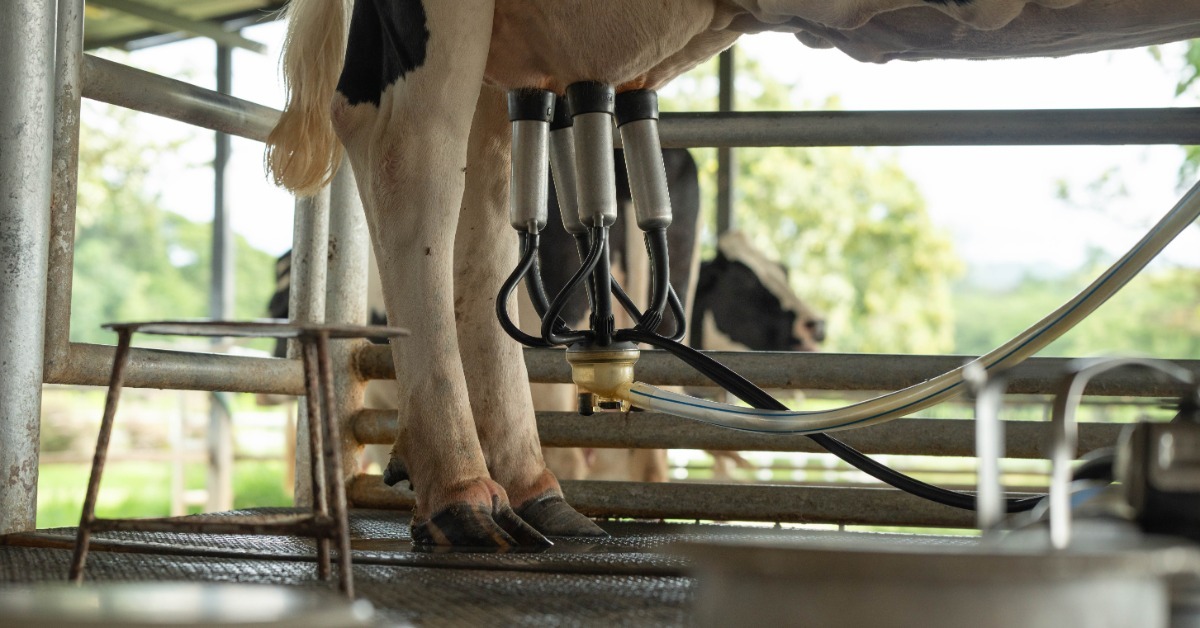
A milking hose needs enough flexibility to accommodate normal movement without becoming difficult to position. If one section feels noticeably harder or less flexible than the rest, the material may be deteriorating unevenly. This stiffness can make the tubing harder to handle and increase the risk of cracking when it bends.
You can often identify these changes by comparing different sections of the same hose. Areas near connections or frequently used bends may feel different from less-stressed sections. Changes in flexibility are especially concerning when they appear alongside cracks or other visible damage.
Checking Hose Flexibility
Start by disconnecting the hose according to your equipment's maintenance instructions. Gently bend different sections using similar pressure, taking care not to force the material into tight curves. Watch for areas that resist movement, feel unusually rigid, or develop visible stress marks when flexed. If one section behaves differently from the others, consult the manufacturer's replacement guidelines before returning the hose to service.
4. Excessive Wear Near Hose Connections
Hose ends often experience more handling and movement than the middle sections. Repeated attachment, removal, or tension near fittings can gradually damage the material around these connection points. As a result, you may notice stretched ends or tubing that no longer fits as securely as it once did.
During inspections, check where the hose connects to the milking claw, receiver, or other equipment. Look for damage around each fitting and make sure the tubing remains properly seated during use. Even when the rest of the hose is in good condition, a worn connection can compromise the system's reliability.
Clamps and Fittings
Sometimes the problem starts with the hardware, not the hose itself. A damaged fitting or improperly positioned clamp can concentrate pressure in one area, causing it to wear out faster. Check for sharp edges, rough surfaces, and components that pinch or pull the tubing out of position. Replacing damaged hardware or correcting a poor connection can prevent the same problem from developing on a new hose.
5. Uneven Discoloration Along the Hose
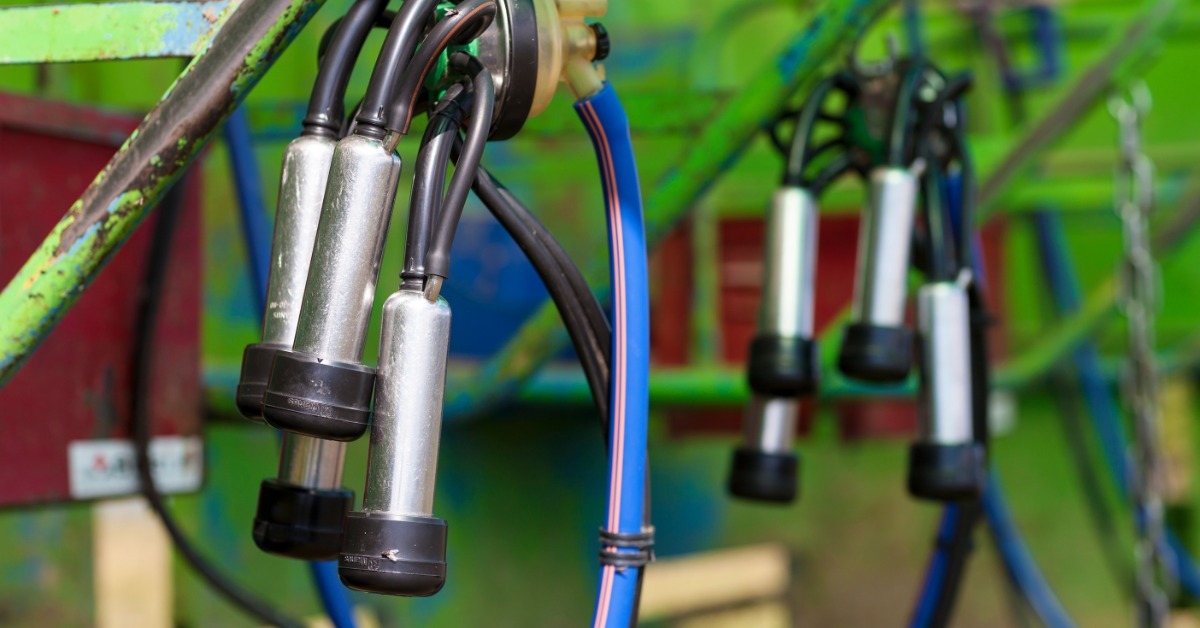
Discoloration can develop for several reasons, including residue buildup, exposure to cleaning products, or changes in the hose material itself. While some color differences are simply stains, others may appear alongside signs of deterioration. Comparing affected sections with the rest of the tubing can indicate whether a closer inspection is needed.
Pay close attention to patches that look cloudy, unusually dark, or texturally different from the surrounding material. Also, consider where these changes occur, since areas exposed to frequent cleaning or contact with other equipment may experience different conditions. Color alone doesn't confirm damage, so check the hose's flexibility and surface condition before drawing conclusions.
6. Thin or Rough Surface Patches
Some hoses develop localized wear where they repeatedly rub against surrounding equipment. These sections may feel rougher or appear thinner than the rest of the tubing, even without visible cracks. Continued friction can gradually weaken the material, making these patches more susceptible to further damage.
Pay particular attention to areas where repeated contact or friction can damage the material:
- Hoses that drag across rough floors can develop worn or scraped surfaces.
- Tubing that rubs against equipment frames or brackets may gradually wear down.
- Sections resting against hose supports can experience friction from repeated movement.
- Hoses that rub against nearby fittings may develop localized surface damage.
- Tubing that repeatedly moves against other hoses can develop rough or thinning patches.
Uneven wear doesn't always affect the whole hose, but damage in one section can still affect performance. Cracks, permanent flattening, thinning, or significant changes in flexibility are all reasons to replace the hose. Regular inspections and proper routing can extend your tubing's service life and keep your milking system running consistently.