
Posted by Scott Ford on Aug 25th 2026
Planning Dairy Equipment Upgrades for Growing Herds
A milking setup that worked well for 40 cows can feel very different once another 20 or 30 animals enter the routine. Longer milking sessions, fuller storage tanks, and equipment running for more hours can expose limitations. As producers prepare for growing herds, planning dairy equipment upgrades can make future changes easier to manage. Review your current system to decide which changes you should prioritize.
Assess Your Current Milking Setup
Before buying new equipment, look closely at how the existing setup performs during a normal milking. Equipment condition and recurring slowdowns can reveal where added herd size is most likely to create strain.
Check Equipment Condition
Start with components that already show wear, need frequent adjustments, or have become less dependable over time. Equipment that performs adequately today may become less reliable once it runs longer or more often. Keeping track of recurring repairs can also show which components are taking up the most time and maintenance effort.
These parts see regular use in milking setups:
- Vacuum pumps provide the suction needed for milking.
- Receivers collect milk before it moves through the system.
- Milking claws connect the teat cups to the milk hose.
- Tubing carries milk, air, or vacuum between components.
- Inflations sit inside the teat cup shells during milking.
- Gaskets and seals maintain tight, secure connections.
Track Daily Milking Bottlenecks
Slowdowns may happen while moving animals, attaching units, transferring milk, washing equipment, or preparing for the next group. A short delay may not seem significant at first, but it can add up quickly across a larger herd. Once those pain points are clear, it becomes easier to see which upgrades could improve the routine most.
Estimate Future Equipment Demand
When planning dairy equipment upgrades for growing herds, look beyond today’s workload and consider what the operation may need over the next few years. Herd size is only part of the picture. Milk production, milking frequency, staffing, and pickup or processing schedules can all affect how much capacity the system needs.
Review these factors before deciding on upgrades:
- projected herd size over the next few years
- expected daily milk production
- number of milkings performed each day
- length of current milking sessions
- available labor during each shift
- planned changes to animal grouping
- pickup or processing schedules
Check Your System’s Capacity
As the herd grows, equipment must handle greater milk volume and longer periods of use. Looking at the system as a whole can reveal whether one undersized component is likely to restrict the rest of the setup.
Consider how many animals the current system can move through comfortably within the desired milking schedule. Milking units, vacuum equipment, pumps, receivers, and milk lines all have to support the same workload. Simply adding more units may not solve a capacity problem if the rest of the system was designed for fewer animals. Manufacturer specifications can provide useful guidance when comparing current equipment with projected demand.
Review Milk Storage Capacity
A larger herd usually means more milk entering storage between pickups or processing sessions. Estimate whether the existing bulk tank has enough usable capacity for expected production. Seasonal changes and pickup frequency can shift that requirement throughout the year. It’s also worth checking whether the cooling system can handle the additional volume as efficiently as the tank itself.
Check Equipment Compatibility
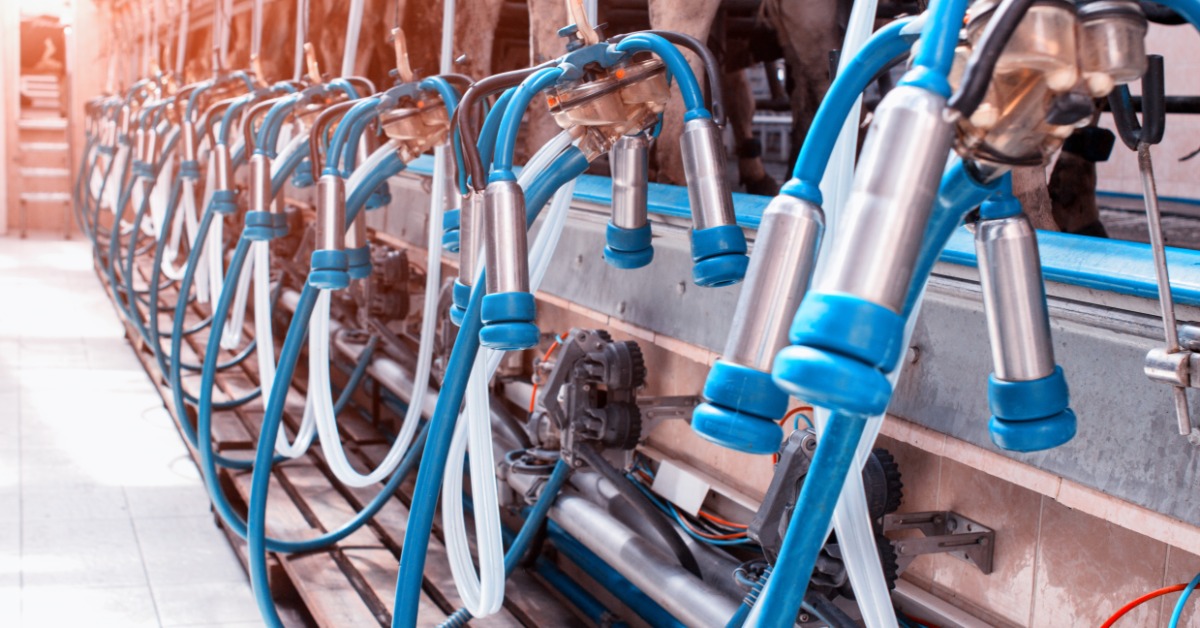
New equipment should fit smoothly with the system already in place. Before making a purchase, review how the upgrade will connect with existing components and whether other changes may be needed. Keeping compatible milking supplies on hand can also make future maintenance and adjustments easier.
Before installation, check:
- connection sizes
- tubing dimensions
- fitting types
- vacuum requirements
- electrical needs
- hose compatibility
- available adapters
- nearby equipment connections
Plan for Facility Requirements
New equipment also has to fit the space where it will be used. Before installing anything, consider how the setup will affect movement, cleaning, maintenance, and daily access. The surrounding facility should support the equipment without creating new obstacles.
Check Available Floor Space
Measure the area before choosing larger or additional equipment. Make sure there’s enough room for the equipment itself as well as normal worker movement. Leave clearance around components that need regular inspection or repair.
Review Utilities and Drainage
Check whether the area has the water, electrical service, and drainage needed for the new setup. Some equipment may require changes to existing utility connections before installation. Drainage should also support regular washing so that water doesn’t collect around equipment.
Plan Hose and Tubing Routes
Think about where hoses, tubing, and other connections will run once the equipment is installed. Routes should stay clear of walkways and areas where they could be stepped on or damaged. Keep connections accessible enough for cleaning and replacement.
Prepare for Added Maintenance
A larger herd usually means equipment runs longer, cycles more often, and goes through more cleaning. Maintenance routines should grow with that workload so heavily used components continue to receive regular inspection and timely replacement.
Frequently used wear items are easier to replace when they’re already on hand. Depending on the system, that may include inflations, gaskets, tubing, seals, fittings, and other components that need periodic replacement. Keeping a reasonable supply can reduce downtime when a basic part wears out unexpectedly. Maintenance records can also show which items are used often enough to keep in regular inventory.
Create a Phased Upgrade Plan
Not every improvement has to happen at once. Breaking upgrades into stages allows producers to address current limitations while keeping larger expansion plans in view.
Before choosing new equipment, consider whether it will still fit the operation after the next round of herd growth. An upgrade that only barely meets current projections may need to be replaced sooner than expected. Future capacity, connection options, available space, and the ability to add components later are all worth considering. Looking a little farther ahead can make each stage of expansion fit more smoothly with the next.
Equipment upgrades work best when they’re based on how the entire dairy operation is changing. Capacity, layout, maintenance, and future needs all influence whether a new addition will continue to work well over time. Making those decisions in stages can also give producers more flexibility as the herd develops. The result is a setup that can grow without forcing unnecessary changes along the way.