

Posted by Scott Ford on Aug 18th 2026
7 Signs Your Cows Are Uncomfortable With Milking Equipment

Milking should be a steady, predictable process rather than a source of stress for the herd. When cows remain comfortable, equipment is more likely to stay properly positioned, milk can flow more evenly, and workers can complete each session with fewer interruptions. Watch for these seven signs your cows are uncomfortable with milking so you can adjust your equipment.
1. Cows Hesitate Before Milking
Cows often remember unpleasant experiences, so repeated hesitation at the parlor entrance may indicate that something during milking has become uncomfortable. Before blaming the equipment, compare the behavior with each cow’s usual routine and consider whether recent environmental or handling changes could also be contributing.
Watch for Repeated Hesitation
One cow pausing occasionally may simply be distracted or moving cautiously. A stronger warning sign is repeated stopping, backing away, or refusing to enter during several consecutive milkings. Observe whether the behavior begins at the same location. A consistent pattern may reveal where the cow begins anticipating an uncomfortable experience.
Notice Changes in Walking Speed
A cow that once entered steadily may begin slowing down as she nears the milking area. She may take shorter steps, plant her feet, or wait for other cows to move ahead first. These changes can be subtle, especially when the animal still enters without direct resistance.
2. Cows Kick During Cluster Attachment
Kicking can be another sign that your cow is uncomfortable with milking equipment. Cold liners, rough attachment, pinched teats, poor cluster alignment, or unstable vacuum pressure may cause the cow to react defensively. Watch when the kicking begins and whether it continues after the cluster settles into position.
Check that teats are clean and dry and that the cluster is attached smoothly without pulling or twisting. If several cows react to the same unit, review the attachment technique and check whether the unit hangs evenly beneath the udder.
3. Milking Sessions Take Too Long
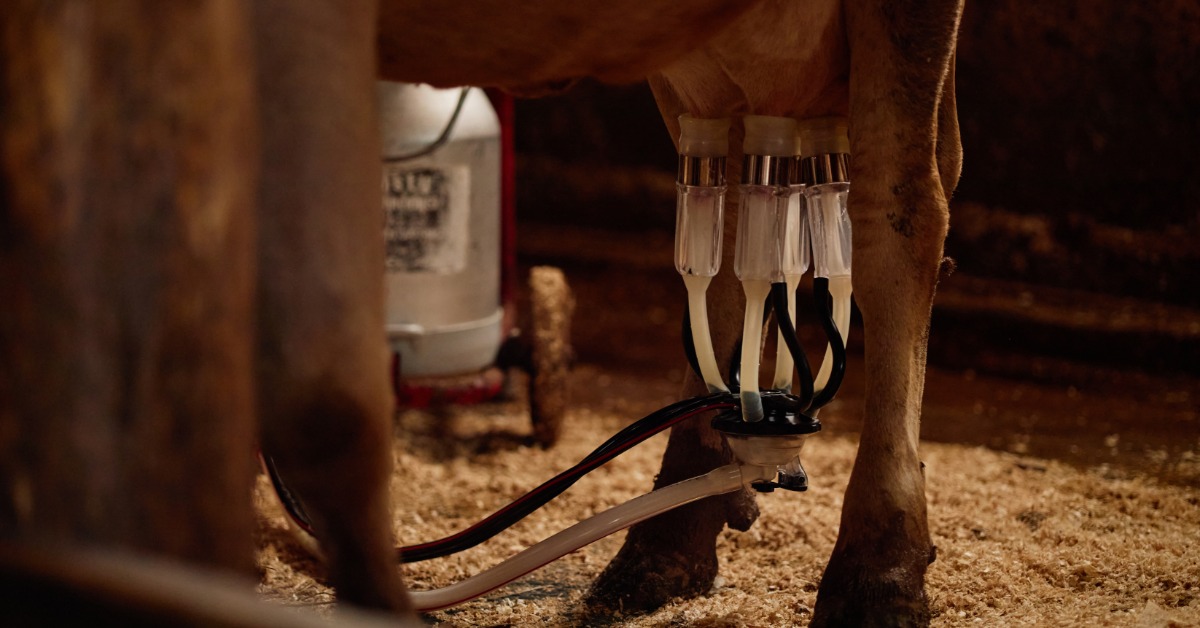
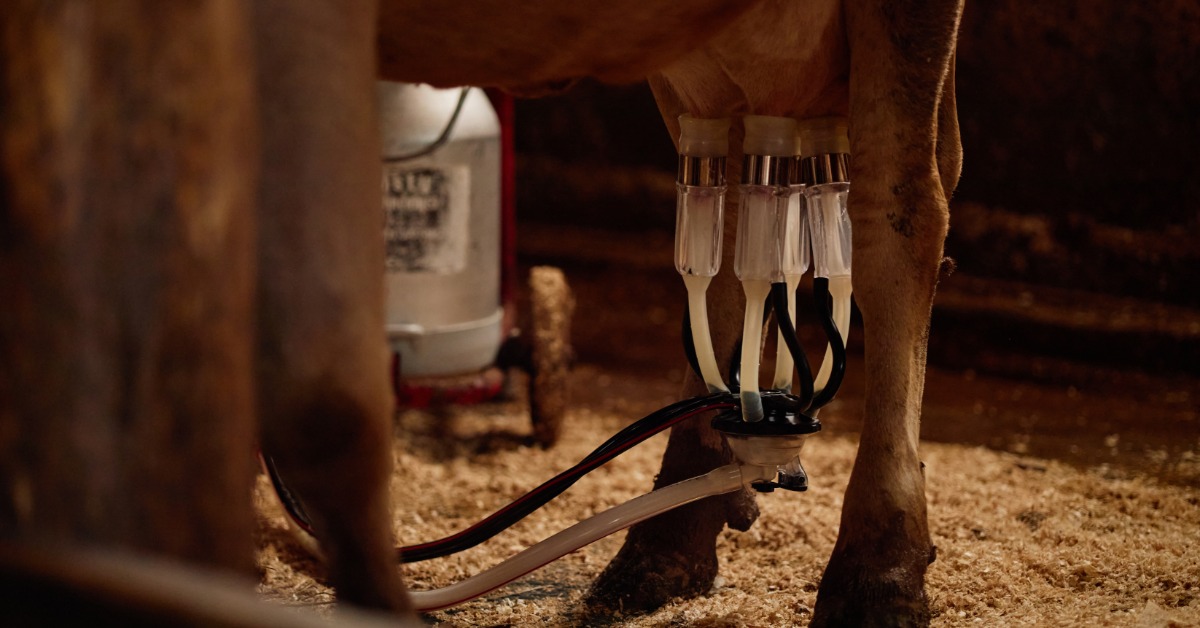
Milking times naturally differ between cows, but consistently long sessions may point to restricted milk flow or equipment that stays attached too long. Extended milking can place unnecessary strain on the cow.
Common equipment issues that may lengthen milking include:
- worn, stretched, or incorrectly sized liners
- air leaks around hoses or connections
- twisted or partially blocked milk tubing
- unstable or incorrectly adjusted vacuum levels
- delayed or poorly calibrated automatic detachers
When you need replacement parts, choose compatible milking supplies for cows that fit the existing system. Properly matched components support steadier performance and reduce problems caused by leaks, wear, or poor fit.
4. Teats Show Visible Irritation
Teat condition provides one of the clearest ways to evaluate how the equipment interacts with the cow. Examine teats immediately after cluster removal, when redness, swelling, pressure marks, and other temporary changes are easiest to see.
Check for Redness and Swelling
Mild color changes may occur briefly after milking, but pronounced redness or swelling can indicate excessive pressure or friction. Compare all four teats to determine whether the irritation affects the entire udder or only one quarter. A problem limited to one teat may point to an individual liner, cup position, or alignment issue. Changes affecting several cows may suggest a broader vacuum or pulsation problem.
Look for Pressure Rings
A visible ring near the base of the teat may form when the mouthpiece lip applies too much pressure. These marks can be associated with high vacuum, poor liner fit, or prolonged milking after flow has decreased. Check whether the rings appear consistently on the same cows or after using the same clusters. Frequent pressure marks warrant a closer review of liner condition and operating settings.
Monitor Teat-End Condition
Check each teat end for rough texture, small cracks, swelling, or hardened skin. Pay attention to whether the same cows or quarters show these signs repeatedly. Worsening teat condition may be linked to worn liners, unstable vacuum, poor pulsation, or long milking times.
5. Clusters Slip or Detach Frequently
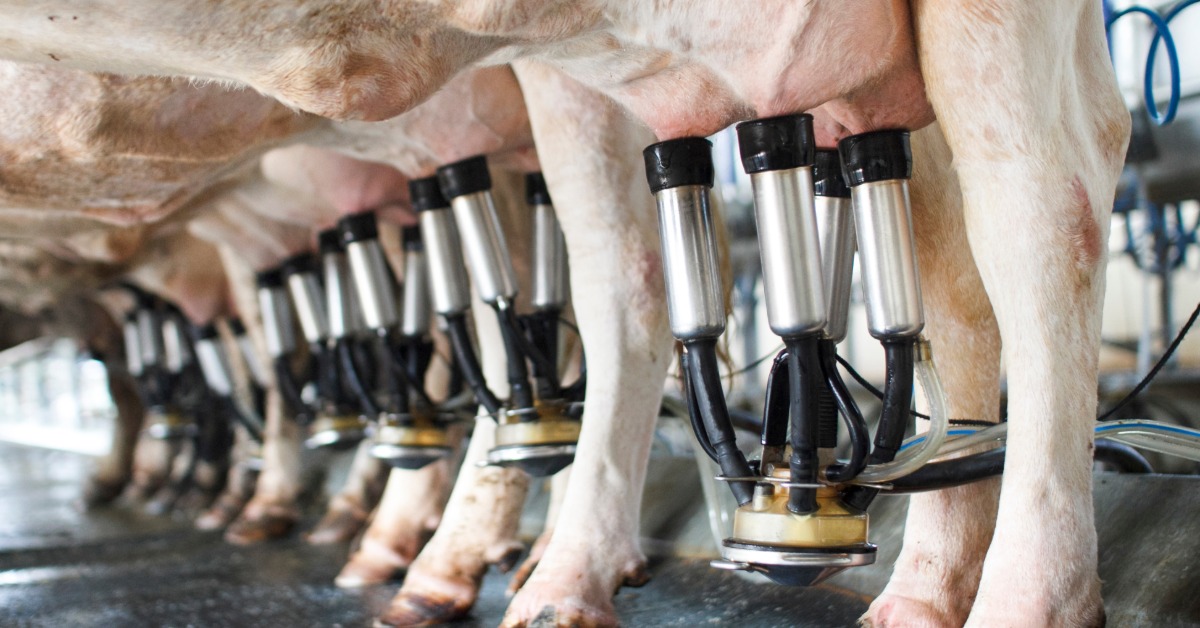
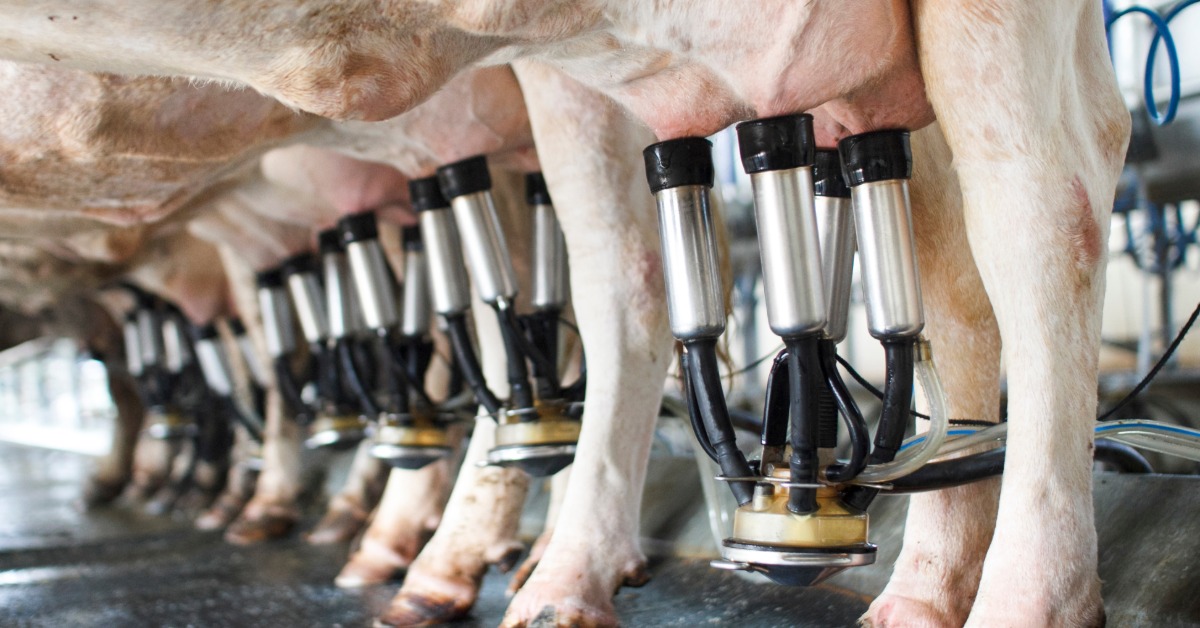
A cluster that repeatedly slips or falls can admit air, interrupt milk flow, and startle the cow. Frequent instability may also create uneven pressure across the udder, particularly when the cluster hangs at an angle or pulls against one side.
Common causes of cluster instability include:
- incorrect positioning beneath the udder
- worn or poorly fitted liners
- uneven teat placement or udder shape
- excessive tension from milk or pulsation hoses
- cracked, loose, or damaged equipment components
6. Milk Flow Becomes Uneven
Uneven flow during milking and full quarters afterward can both point to incomplete milk removal. Looking at the entire process—from cluster attachment to removal—can make the source easier to identify.
Monitor Flow During Milking
Milk flow that repeatedly slows, stops, or surges may come from either delayed milk letdown or an equipment problem. Begin by using the same udder-preparation routine before every milking so each cow receives consistent stimulation. If uneven flow continues despite consistent preparation, the equipment is more likely to be involved. Check the liners, tubing, and vacuum system for slips, leaks, wear, or blockages.
Check the Udder Afterward
After removing the cluster, look for quarters that remain noticeably fuller than the others. This may result from poor cup alignment, mismatched liners, or detachers releasing too early. Udder shape and teat placement can also affect how evenly the cluster hangs. Rather than pulling down on the unit, check its fit and position.
7. Milk Yield Drops Unexpectedly
An unexpected decline in yield can be one sign that cows are uncomfortable during milking. Look at the timing of the change and check whether it began after maintenance, equipment adjustments, or a change in routine. Compare yield records with cow behavior and milk-flow patterns.
Milk production can also decline because of illness, heat, nutrition, or the cow’s stage of lactation. Rule out these factors before assuming the equipment is responsible. Then check the vacuum, liners, detachers, and cluster position for problems that may affect milk removal.
Comfortable milking begins with knowing what is normal for your cows. When their behavior or physical condition changes, use those clues to review the equipment before the issue grows. When you need to replace worn or poorly fitting parts in your milking system, Parts Department offers dependable equipment. The right components support safer handling and a more comfortable routine.